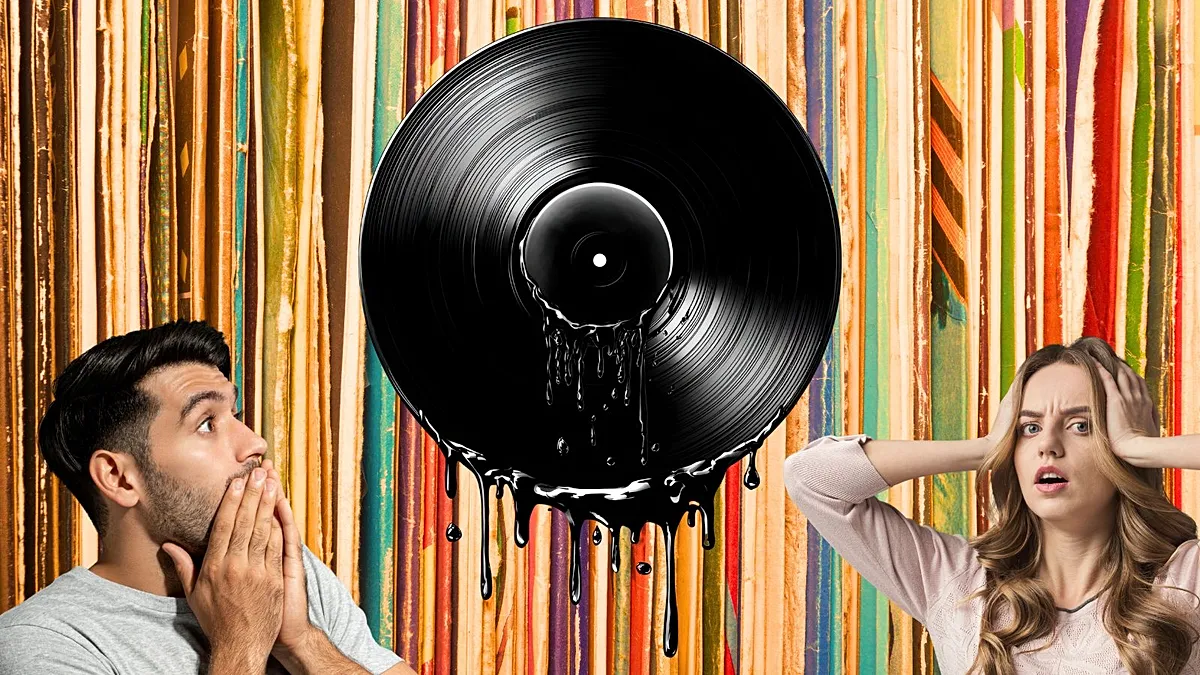
Europe’s Heatwave Threatens Vinyl Collections: A Guide to Preservation
Hot wax – Europe is enduring an ongoing heatwave, with temperatures reaching 40°C and beyond. This relentless wave of scorching weather has disrupted power grids, strained transportation networks, and even strained healthcare systems. While the focus remains on human health and infrastructure, a growing concern has emerged on social media: the potential harm to vinyl records. Music enthusiasts are now questioning whether their cherished collections might suffer irreversible damage under these extreme conditions.
The Science Behind Vinyl’s Vulnerability
According to scientific studies, this heatwave marks the most severe in Europe’s history. The unrelenting heat has affected everything from electricity supply to roadways, but the issue of vinyl preservation is gaining traction among collectors. Vinyl records, made from polyvinyl chloride (PVC), are surprisingly sensitive to high temperatures. Despite their reputation for durability, these plastic discs have a relatively low melting point, making them susceptible to deformation when exposed to prolonged heat.
“Excessive heat and sunlight can degrade the resilience of vinyl,” explains Dr. Elena Martinez, a materials scientist specializing in audio media. “While PVC is resistant to many environmental factors, extreme temperatures can compromise its structural integrity.”
Experts note that ideal storage conditions for vinyl records lie between 18°C and 21°C. This range preserves the physical and acoustic qualities of the discs. However, the current heatwave has pushed temperatures into the 30°C range in many regions, raising concerns about the long-term effects. Although the risk is minimal at this level, it increases significantly between 35°C and 45°C, where vinyls may begin to warp. Warping causes the grooves to lose their shape, leading to audio distortion or skipping during playback.
When temperatures surpass 50°C, the damage becomes more pronounced. At this point, vinyls are prone to irreversible warping, which can render them unplayable. Dr. Martinez adds, “Beyond 60°C, the material starts to soften and deform permanently, akin to melting wax. This is why collectors must take proactive steps to protect their collections.”
How to Safeguard Your Vinyl Records
With temperatures climbing, the need for proper storage has never been more urgent. Here are five essential steps to ensure your vinyl collection remains intact during the heatwave:
Step 1: Stay Calm While the heatwave may feel overwhelming, it’s important to remember that vinyl records won’t melt unless exposed to temperatures exceeding 100°C. This means your collection is safe from immediate catastrophic damage, though precautions are still necessary.
Step 2: Minimize Sunlight Exposure Direct sunlight accelerates the degradation of PVC. UV rays not only increase the temperature of records but also break down the plastic over time. Place your collection in shaded areas, away from windows or outdoor storage, to prevent both thermal and photochemical damage.
Step 3: Avoid Stacking Records Stacking vinyls can lead to uneven pressure and wear on the edges. This practice is especially risky in humid environments, where stacked records may trap moisture and accelerate deterioration. Store each disc upright to maintain their structural stability and prevent physical stress.
Step 4: Use Protective Sleeves and Optimize Location Protective sleeves act as a barrier against dust and minor scratches. However, their role in temperature regulation is equally important. Avoid storing records in attics or basements, where temperature fluctuations can be extreme. Instead, choose a stable, cool location with consistent humidity levels.
Step 5: Don’t Rush to the Fridge Some social media users have suggested placing records in the fridge to cool them quickly. But this method can be counterproductive. Sudden temperature changes cause “thermal shock,” which may lead to warping, cracking, or even mold growth. “Damp environments combined with rapid cooling create the perfect conditions for mold,” warns Dr. Martinez. “It’s better to gradually lower the temperature using a room thermostat than to expose records to extreme cold.”
Understanding the Risks: A Closer Look
While the heatwave poses a risk, the likelihood of permanent damage depends on the duration and intensity of exposure. For instance, a single day of 40°C may not affect records significantly, but weeks of sustained high temperatures can. Humidity also plays a critical role. In dry climates, PVC may become brittle, whereas in damp conditions, it can absorb moisture and expand, leading to warping.
Collectors should also be mindful of the record’s condition. Older or poorly stored discs may be more vulnerable. Regular maintenance, such as cleaning with a microfiber cloth and storing in a cool, dry environment, can mitigate these risks. However, during a heatwave, additional measures are needed. For example, using a dehumidifier in storage spaces or keeping records in airtight containers can help maintain optimal conditions.
Another key consideration is the type of vinyl. Some records are made with a protective layer of lacquer, which enhances durability. Others may be more susceptible to heat due to lower-quality materials or manufacturing processes. Collectors should assess their collection’s composition and adjust storage strategies accordingly.
Preserving Cultural Treasures in Extreme Weather
Vinyl records are more than just audio media—they are cultural artifacts. Their tactile experience and analog sound quality have made them a beloved format among music lovers. As such, protecting them is not just about preserving sound, but also about safeguarding a piece of artistic heritage.
During the heatwave, collectors should also monitor their surroundings. For example, if a house’s temperature rises due to power outages or malfunctioning air conditioning, records may be at risk. In such cases, temporarily moving them to a cooler room or using fans to circulate air can provide relief. It’s also worth checking for signs of heat stress, such as discoloration or a waxy texture, which indicate that a record may be starting to degrade.
Additionally, the heatwave has sparked a renewed interest in vinyl care. Online forums and social media groups are now sharing tips on humidity control, temperature monitoring, and even DIY cooling solutions. This collective effort highlights the importance of community knowledge in preserving physical media during environmental crises.
Long-Term Implications and Preparedness
As the climate continues to shift, heatwaves may become more frequent. This means that vinyl preservation techniques must evolve to meet new challenges. Collectors are advised to invest in temperature-controlled storage units or keep records in climate-stabilized environments, especially during prolonged periods of extreme weather.
For those who rely on vinyl for their music, the heatwave serves as a reminder of the delicate balance between enjoying their collection and protecting it. By following these steps and staying informed about environmental conditions, collectors can ensure their records remain playable for years to come. As Dr. Martinez concludes, “Vinyl is a resilient medium, but it requires care. In a world of rising temperatures, vigilance is key.”
While the heatwave is a temporary crisis, its impact on vinyl records underscores the need for proactive preservation. Whether it’s a short-term spike in temperatures or long-term climate changes, understanding the science behind vinyl’s behavior can help collectors navigate these challenges. By combining practical steps with a deeper awareness of their collection’s needs, music lovers can continue to enjoy the warmth of vinyl, even in the hottest of times.