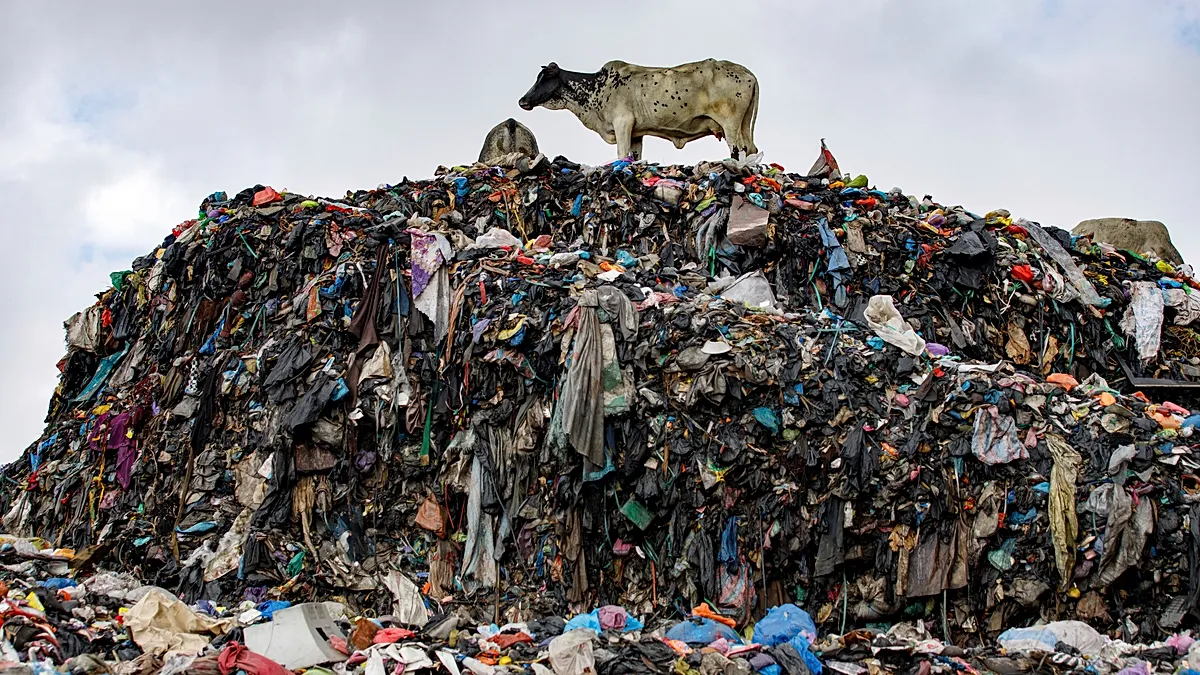
EU Investigators Uncover Massive Textile Waste Smuggling Operation from Italy to Turkey
EU investigators seize 4 200 tonnes – European anti-fraud agencies have recently dismantled a significant textile waste smuggling scheme, intercepting 4,200 tonnes of discarded fabric transported illegally from Italy to Turkey. The operation, which highlights the growing challenge of environmental compliance in cross-border trade, was conducted by the European Anti-Fraud Office (OLAF) in partnership with Italy’s Carabinieri and Turkish customs officials. The focus of the investigation centered on shipments containing high concentrations of acrylic fibers, which are known for their long-lasting presence in ecosystems and complex recycling requirements.
Environmental Concerns Drive the Investigation
Acrylic-based textiles pose unique environmental risks due to their synthetic nature, which can persist in the environment for over two centuries. Unlike organic materials, these fibers demand advanced recycling techniques, often involving costly chemical treatments. As a result, they are subject to stringent disposal regulations. However, the investigation revealed that these materials were mislabelled to bypass recycling mandates, allowing the waste to be exported without proper oversight.
“Organized networks exploit regulatory loopholes to circumvent recycling obligations, turning environmental standards into profit margins,” remarked Petr Klement, OLAF’s director general. He emphasized that such schemes underscore the critical need for international collaboration in curbing waste trafficking and protecting ecological integrity.
The operation unfolded through a combination of trade data analysis, customs records, and evaluations of recycling infrastructure. By cross-referencing these elements, OLAF identified suspicious consignments and notified Turkish authorities. Upon inspection, the waste was confirmed to have been unlawfully shipped from Italy, with its final destination obscured by deceptive documentation.
Wider Impacts of Textile Waste Exportation
Textile waste, particularly clothing, is increasingly viewed as a commodity rather than a byproduct of consumption. This shift has placed immense strain on European recycling systems, with a substantial portion of discarded garments ending up in landfills or incinerators. Globally, regions in the Global South often bear the brunt of second-hand textile exports, which contribute to environmental degradation in those areas as well.
During a joint inspection in Turkey, OLAF officials, Italian environmental experts, and Turkish regulators uncovered more than just the initial 4,200-tonne shipment. Additional evidence included nearly 2,100 tonnes of textile waste stored in a warehouse associated with a recycling plant that allegedly violated Turkish environmental standards. Another stockpile, arriving separately, further illustrated the scale of the operation. The seizure was expanded to include a further 768 tonnes of waste, all mislabelled and primed for illegal disposal at Turkey’s Mersin port.
Enforcement Actions in Italy
The discovery of the smuggling network has prompted substantial enforcement efforts within Italy. This week, Carabinieri conducted a raid on a business hub in Brescia, reportedly linked to the illicit export activities. The operation resulted in the seizure of company premises, a fleet of trucks used in the distribution of waste, and approximately €12 million in financial assets. These actions reflect a growing determination to hold entities accountable for environmental violations.
EU’s Textile Sector and Recycling Challenges
Despite the economic significance of the EU’s textile and clothing industry, which generated €170 billion in revenue in 2023 and employs around 1.3 million people, recycling remains a costly and complex process. In 2019, Europe produced roughly 12.6 million tonnes of textile waste, yet only a fifth of it was collected for reuse or recycling. This gap has led to the introduction of stricter textile waste management regulations in 2025, aimed at preventing mislabelled goods from slipping through the cracks of the system.
The new rules enhance oversight of textile shipments and empower OLAF to investigate waste trafficking more effectively. These measures are part of a broader strategy to address the environmental toll of textile waste, which has become a focal point for policymakers and environmental advocates. The recent crackdown also aligns with efforts to enforce the Circular Economy Act and the Market Surveillance Regulation, which seek to create a more sustainable approach to resource use.
Coalition Pushes for Stricter Measures
In a separate but related initiative, five EU nations led by France have launched a coordinated campaign to target ultra-fast fashion. This movement, driven by concerns over the sector’s environmental footprint, has highlighted the unsustainable practices of rapidly producing and consuming clothing. A leaked document from the coalition reveals their warning that the model threatens to undermine ecological goals and overwhelm waste management infrastructure.
The group urged the European Commission to take stronger action, including increasing oversight of online platforms and tightening market surveillance. They also called for closing enforcement gaps in existing legislation, such as the Circular Economy Act, to address the influx of fast fashion from Chinese retailers like Shein and Temu. These platforms, which dominate e-commerce, are accused of accelerating overconsumption and contributing to the global textile waste crisis.
“We need to strengthen control mechanisms to ensure that online marketplaces do not become conduits for environmentally harmful practices,” the coalition stated. Their demands for “additional performance requirements” under EU textile regulations aim to support the transition toward a closed-loop recycling system, where materials are reused rather than discarded.
The case exemplifies how international cooperation is essential in tackling environmental crime. By uniting authorities from different countries, investigators can trace the flow of waste across borders and hold transnational networks accountable. The operation has not only exposed a direct violation of environmental rules but also revealed systemic weaknesses in recycling compliance, prompting calls for reform.
As the EU continues to refine its policies, the focus remains on reducing the environmental impact of textile waste. With the sector’s growth accelerating, the need for stricter regulations and enforcement becomes even more pressing. The collaboration between OLAF, Italian and Turkish authorities sets a precedent for future efforts, ensuring that environmental standards are upheld in both domestic and international trade.
The findings from this investigation serve as a reminder of the challenges facing sustainable resource management. While the textile industry is vital to the European economy, its current practices risk exacerbating global waste issues. Through combined enforcement and legislative action, the EU aims to create a more resilient framework for managing textile waste, protecting both the economy and the environment from the consequences of unsustainable consumption.