EU Adjusts Ukraine’s Membership Timeline Amid Hungarian Delays
EU scales back Ukraine s accession – The European Union has revised its plans for Ukraine’s EU accession process, postponing the opening of five negotiation clusters to just two by July. This shift, announced in Brussels, reflects the growing influence of Hungary’s resistance, which has now forced the bloc to adopt a more cautious approach. While the initial goal was to initiate talks on all six thematic clusters within a compressed timeframe, officials now anticipate a slower pace, prioritizing Cluster 6 (external relations) and Cluster 2 (internal market) ahead of the summer recess.
Revised Schedule and Key Clusters
The EU’s adjusted timetable focuses on unlocking Cluster 6 and Cluster 2 before the summer break, according to diplomats and officials who spoke to Euronews. The remaining three clusters will be addressed incrementally in the following months. This change marks a significant slowdown compared to the earlier proposal, which aimed to open five clusters by July. Ukraine and Moldova, which have been paired in informal discussions, initially opened Cluster 1 (fundamentals) earlier this month after a two-year delay, a move blocked by Hungary’s veto until June.
Hungary’s Veto and the Resumption of Cluster 1
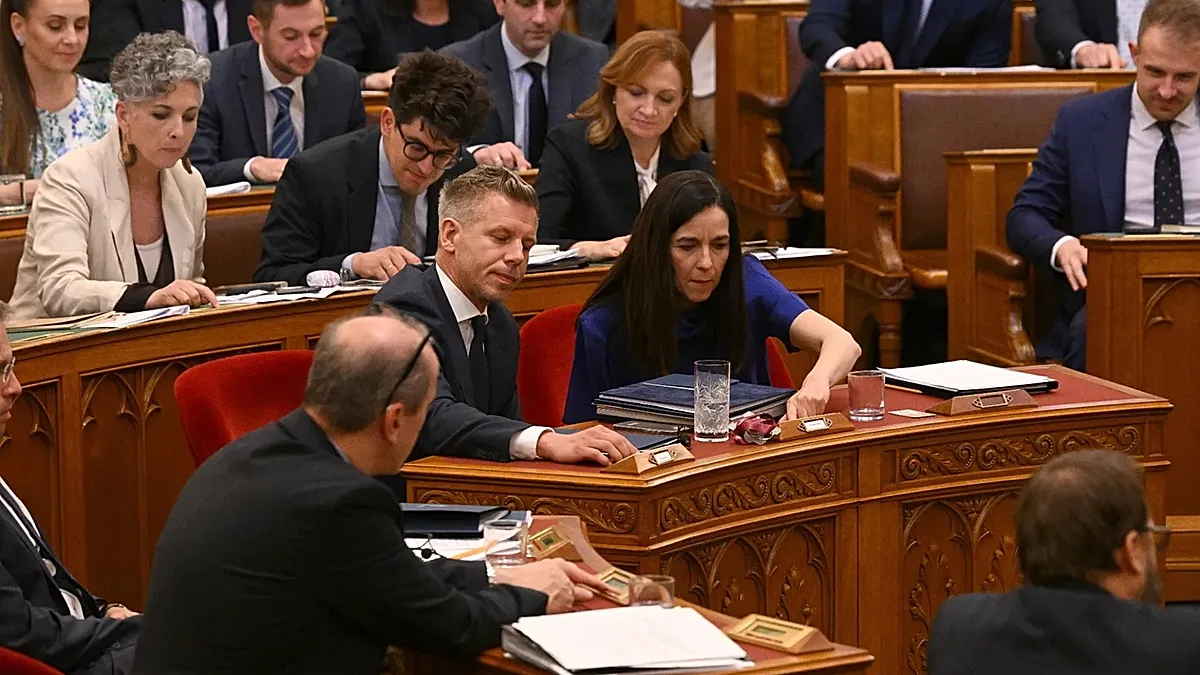
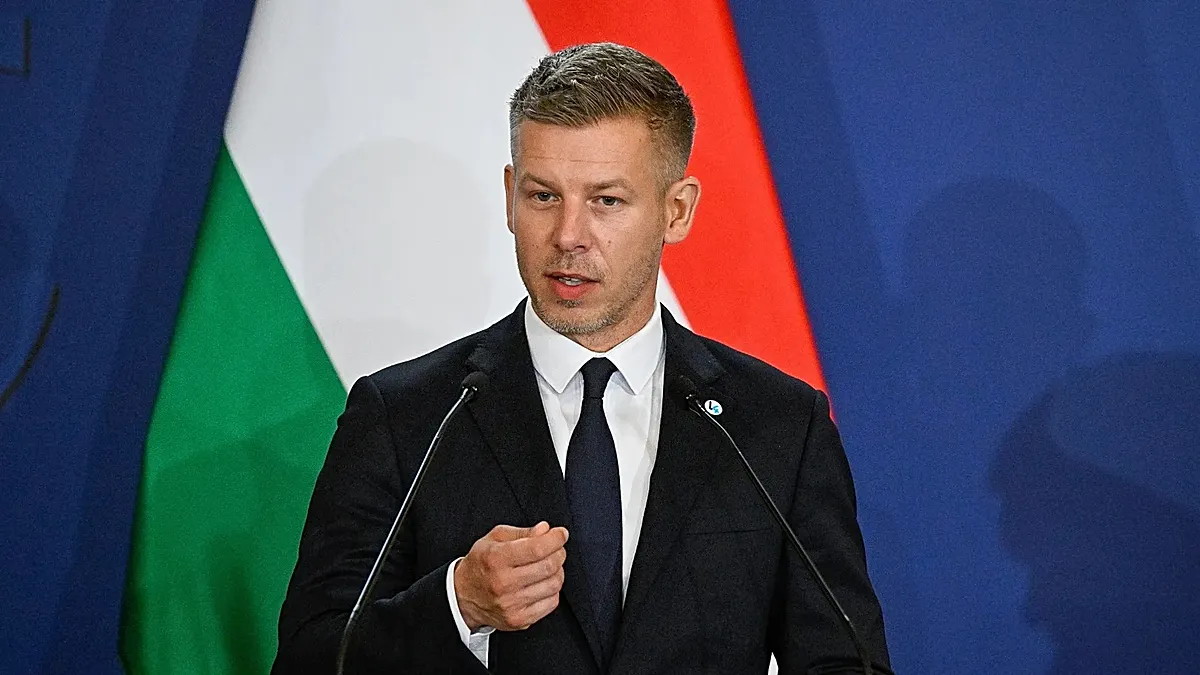
Hungary’s long-standing opposition to accelerating Ukraine’s membership bid has been a pivotal factor in the revised timeline. The new government in Budapest, led by Prime Minister Péter Magyar, has repeatedly signaled its reluctance to fast-track negotiations. This resistance has kept the EU process in limbo, with Hungary yet to sign the joint letters required to unblock the clusters. The stalemate was confirmed during a recent working group meeting, where member states failed to reach agreement.
Magyar’s position has been shaped by his desire to avoid a perceived rush, which he argues could undermine the progress of other candidate countries. The removal of a section in the joint conclusions that called for opening all clusters “as soon as possible” was explicitly requested by Hungary. “We removed a lot from the text to avoid any explicit suggestion that, now that the first cluster has been opened, all the others will suddenly be opened as well,” he explained to reporters after the summit. “We do not think that would be a good idea.”
EU’s Strategic Shift and Zelenskyy’s Ambition
While the EU has scaled back its ambitions, Ukraine remains committed to its original timeline. President Volodymyr Zelenskyy, who attended the summit in person, reaffirmed the country’s readiness to advance negotiations. “We are ready to move further,” he told EU leaders. “We can open the other five clusters as well. Everything is already prepared, and this can be done in the coming weeks.” However, the European Commission, which had previously asserted Ukraine’s technical preparedness, has now adjusted its stance, acknowledging the need to accommodate Hungary’s concerns.
Commission President Ursula von der Leyen expressed optimism after the summit but stopped short of endorsing the aggressive deadline set by Marta Kos, the European Commissioner for Enlargement. “Our goal is to open more clusters before the summer,” von der Leyen said. This statement highlights the EU’s balancing act between Ukraine’s aspirations and the hesitations of member states like Hungary. The revised plan, though procedural, underscores the bloc’s willingness to compromise in the face of political resistance.
Hungary’s Reservations and Western Balkans Candidates
Magyar’s stance is also influenced by his concerns for the Western Balkans, a group of nations that have been striving for EU membership for years. He emphasized that Ukraine’s rapid progress could set a precedent that might pressure other candidates, such as Montenegro, Albania, North Macedonia, and Serbia, to accelerate their own processes. “The first cluster has only just been opened — the ink is barely dry on the decision,” the prime minister remarked. “It also sends the wrong message to the Western Balkan countries that have spent years working towards EU membership. Some have even changed their names; others have rewritten large parts of their constitutions.”
Magyar further clarified that Hungary is not the sole nation opposing the swift opening of all clusters in July. He hinted at the presence of other member states that may have used the previous veto to hide their own reservations. “We are not the only ones that opposed unblocking all the clusters with Ukraine in July,” he noted, though he did not specify which countries shared Hungary’s position. This ambiguity suggests that the EU’s delay may have broader support within the bloc, complicating Ukraine’s path to full membership.
Ongoing Challenges and Future Prospects
The EU’s adjustment to Ukraine’s accession timetable has raised questions about the bloc’s ability to maintain momentum. With the original plan calling for all six clusters to be opened by July, the new approach signals a more gradual process. However, the potential for progress remains, as the EU officials remain hopeful about at least two clusters being launched by the end of the month. If unanimity is achieved, Cluster 4 could be formally opened on 14 July during a meeting of European affairs ministers in Brussels.
Despite Hungary’s resistance, the EU’s enlargement strategy has seen a temporary uptick following the April elections. The previous administration, led by Viktor Orbán, had held back Ukraine’s bid for two years, but the new government has lifted its veto on Cluster 1, allowing the process to resume. Yet, Magyar’s recent statements indicate a return to caution, with Hungary’s priorities now centered on maintaining its influence over the timeline. This dynamic has created a tension between Ukraine’s urgency and the EU’s need to harmonize the interests of all member states.
The revised timetable highlights the complexities of EU enlargement, where political considerations often outweigh procedural efficiency. While Hungary’s resistance has slowed Ukraine’s progress, the country’s determination to join the bloc remains unshaken. As the EU grapples with internal disagreements, the question of how quickly Ukraine can achieve membership will likely remain a focal point in upcoming discussions. The next steps will depend on whether Hungary and its allies can secure broader consensus, or if Ukraine’s push for membership will continue to face delays in the months ahead.
“There are definitely issues, but we expect them to be resolved in time for at least two clusters to be opened in July,” said an EU official with an overview of the file. This quote captures the EU’s pragmatic approach, recognizing the challenges but still committed to advancing the process at a sustainable pace.
With the EU’s timeline adjusted and Hungary’s role central to the delay, the future of Ukraine’s accession remains uncertain. The bloc’s ability to reconcile differing priorities will determine whether Ukraine can eventually secure its place among the EU’s member states. Meanwhile, the Western Balkans candidates watch closely, hoping to avoid similar hurdles in their own path to enlargement. The outcome of this negotiation will shape not only Ukraine’s prospects but also the broader strategy of the EU in expanding its borders.