Devastating Bombardment Strikes Kramatorsk: Eight Guided Aerial Bombs Cause Widespread Destruction
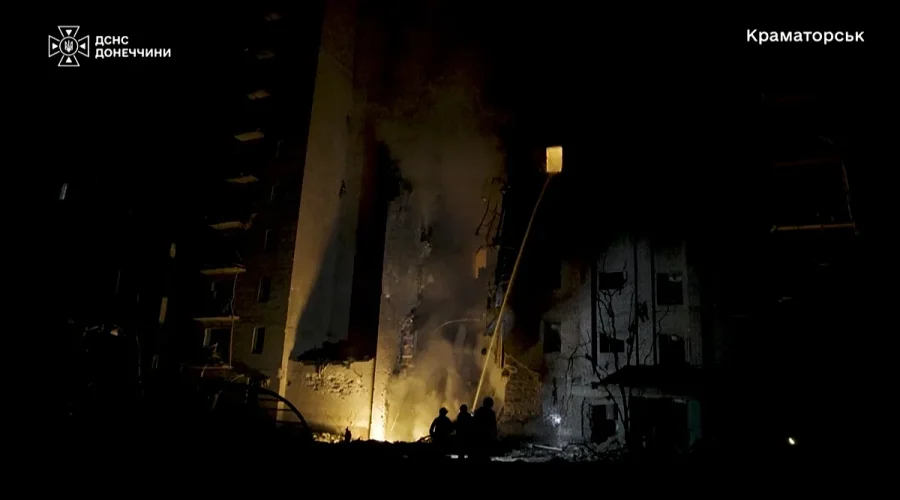
Usagevpn.com – A brutal Russian aerial assault on the eastern Ukrainian city of Kramatorsk left one person dead and seventeen others injured on Friday, marking another devastating chapter in the ongoing conflict. Emergency responders labored through the darkness to extract trapped civilians from collapsed structures and contain spreading fires after eight FAB‑250 guided aerial bombs rained destruction upon the urban center.
The Attack Unfolds
The strike targeted densely populated areas, with several residential properties and a garage engulfed in flames. The most severe structural damage occurred to a ten‑storey apartment complex, where sections spanning from the ground floor through the sixth level crumbled under the force of the explosions. Video footage captured dramatic rescue operations as emergency personnel pulled both a woman and a man from the debris field, while simultaneously assisting other residents in evacuating damaged structures.
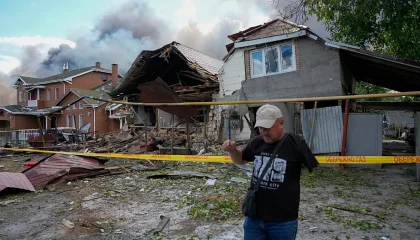
Firefighting teams responded to multiple locations across the city, battling blazes that erupted at various impact sites. Vehicles parked near the explosion zones sustained significant damage, adding to the material destruction wrought by the bombardment. The coordinated nature of the attack, utilizing eight precision-guided munitions, suggests a deliberate targeting of civilian infrastructure rather than a random aerial strike.
Victims and Injuries
The seventeen wounded individuals, whose ages ranged from forty-seven to eighty-five years old, received medical treatment for a variety of trauma. Officials documented blast injuries and traumatic brain damage as primary concerns, alongside shrapnel wounds, cuts, and abrasions sustained during the attack. The wide age range of casualties underscores how the bombardment affected families across multiple generations, with elderly residents particularly vulnerable to the shockwaves and flying debris.
Medical facilities in the region mobilized quickly to accommodate the influx of patients. The nature of the injuries—particularly the combination of blast trauma and shrapnel wounds—is characteristic of modern aerial bombardments, where the explosive force of guided bombs creates both immediate crushing injuries and secondary damage from fragmented metal projectiles.
Legal and Political Implications
In response to the severity of the attack, the Donetsk regional prosecutor’s office initiated a formal war‑crimes investigation into the circumstances surrounding the bombardment. This legal action signals potential future accountability measures for those responsible for targeting civilian populations with precision-guided munitions. The investigation will likely examine whether the attack complied with international humanitarian law, particularly regarding proportionality and distinction between military and civilian targets.
The FAB‑250 bombs employed in this strike represent a significant escalation in Russia’s aerial campaign. These guided munitions, equipped with precision navigation systems, allow for more accurate targeting but also raise concerns about deliberate strikes on populated areas. The use of eight such bombs in a single raid demonstrates both the scale and the technological sophistication of the assault.
Kramatorsk’s Strategic Vulnerability
Kramatorsk has emerged as one of the most frequently attacked cities in eastern Ukraine throughout the conflict. Its geographic proximity to the active front line makes it particularly susceptible to repeated bombardments. The city serves as an important logistical hub and residential center for hundreds of thousands of civilians who have remained in the region despite years of warfare.
The destruction of the apartment building, which housed residents across six floors, represents not only immediate human suffering but also long-term displacement challenges. Many families will face the prospect of extended periods without adequate housing as reconstruction efforts proceed. The damage to private homes and garages further compounds the economic burden on local residents who must rebuild their lives amid ongoing hostilities.
Broader Context of the Conflict
This attack occurs within the larger framework of Russia’s sustained military campaign against Ukrainian infrastructure and civilian populations. The pattern of targeting residential buildings, transportation networks, and utility systems has become increasingly common as the conflict enters its fourth year. Each bombardment adds to the mounting toll of civilian casualties and material destruction that characterizes this war.
The timing of the attack, occurring on a Friday evening, is particularly significant as residents would have been engaged in typical weekend activities—shopping, socializing, and preparing for the week ahead. Such temporal patterns in aerial assaults suggest deliberate attempts to maximize civilian impact and psychological disruption.
As emergency crews continue their recovery operations and investigators gather evidence for the war‑crimes case, Kramatorsk stands as a microcosm of the broader Ukrainian experience: a city of resilience facing relentless bombardment, its residents demonstrating extraordinary courage in the face of repeated devastation.
Related Reading
Frequently Asked Questions
What is War in Ukraine?
War in Ukraine is the main topic of this guide. The article explains the context, practical details, and next steps readers should understand.
Why does War in Ukraine matter?
War in Ukraine matters because readers are looking for a useful answer, not just a short summary. Good content should match search intent and help them decide what to do next.