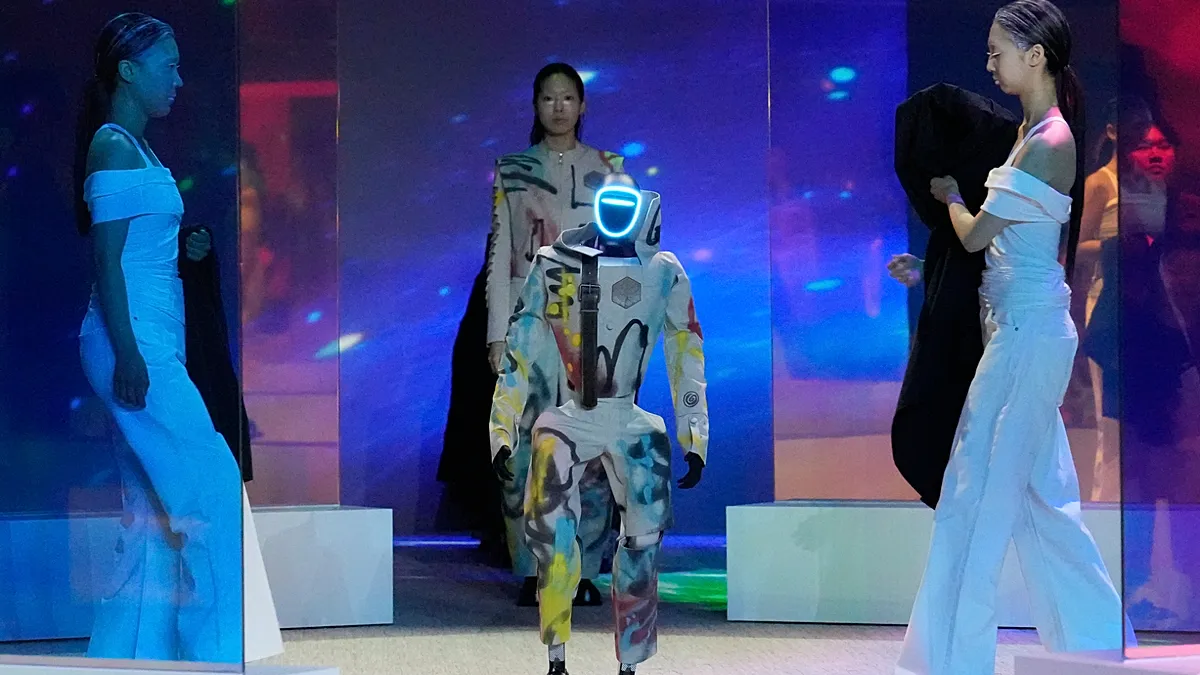
Video. Humanoid Robots Take Center Stage at Seoul Fashion Show
Humanoid robots join models at fashion – In a groundbreaking display of technological innovation and artistic expression, humanoid robots strutted down the runway alongside human models at a special AI-themed fashion event in Seoul, South Korea. The spectacle, held on June 16, 2026, marked a significant milestone in the evolution of fashion, where automation and design converged to create a unique visual experience. Attendees were treated to a blend of human creativity and robotic precision, challenging traditional notions of what a fashion show could entail.
Blurring the Lines Between Human and Machine
The event, organized by Galaxy Corporation, showcased robots equipped with advanced AI capabilities, donning custom-designed outfits that highlighted the fusion of cutting-edge technology and aesthetic flair. Each robot’s movements were synchronized with precision, while their programmed routines included graceful gestures and dynamic choreography. This seamless integration of human and machine performers underscored the growing influence of robotics in creative industries, offering a glimpse into a future where automation enhances, rather than replaces, artistic endeavors.
Among the highlights was a segment where robots engaged in a high-energy boxing match, symbolizing the competitive yet collaborative nature of this new frontier. The audience, composed of both fashion professionals and tech enthusiasts, marveled at the robots’ ability to execute complex motions while maintaining the elegance of a runway presentation. Such displays not only entertained but also sparked conversations about the potential for robots to participate in cultural activities as active participants rather than passive tools.
Designing for the Future of Fashion
The outfits worn by the robots were the result of a collaboration between Galaxy Corporation and a team of designers, blending functionality with style. Each piece incorporated lightweight materials and adaptive features, allowing the robots to move fluidly while maintaining a fashionable appearance. This effort to create wearable technology that is both practical and visually appealing reflects a broader trend of integrating AI into everyday life.
Galaxy Corporation’s CEO, Choi Yong-ho, emphasized that the event was more than a novelty; it was a deliberate exploration of how technology can shape future trends. “We’re envisioning a world where fashion trends might not just originate from humans but also evolve through robotic influences,” he stated in a
direct quote
. This vision challenges the conventional idea of fashion as a purely human-driven art form, suggesting that machines could become both muses and wearers of style in a rapidly changing landscape.
Audience Engagement and Technological Impact
Live spectators and remote viewers alike were drawn to the event, with many expressing awe at the robots’ ability to perform alongside humans. The show’s interactive elements, such as real-time audience reactions and digital projections, highlighted how AI can enrich the viewer experience. Social media platforms buzzed with excitement as participants shared clips of the robots’ performances, generating widespread interest in the intersection of fashion and automation.
Experts noted that the event demonstrated the versatility of AI and robotics beyond their traditional industrial uses. From manufacturing to entertainment, these technologies are now being repurposed for creative applications. “This isn’t just about showcasing hardware,” said one industry analyst. “It’s about redefining how we perceive fashion as a medium for storytelling and innovation.” The robots’ ability to adapt to different designs and perform complex tasks signals a shift in how fashion is both produced and consumed.
Setting the Stage for Tomorrow’s Trends
As the event unfolded, it became clear that the future of fashion is being shaped by collaborative efforts between humans and machines. The robots’ participation in dance routines and the boxing match added layers of entertainment, while their presence on the runway emphasized the potential for AI to become a permanent fixture in the industry. Galaxy Corporation’s initiative highlights a growing ambition to make fashion more inclusive, with robots not only modeling clothing but also influencing its creation.
Choi Yong-ho’s remarks further underscored this ambition. “The goal is to create a seamless dialogue between humans and robots, where each inspires the other,” he explained. This vision extends beyond the runway, suggesting that fashion trends could emerge from both organic human creativity and algorithmic design. The event’s success may encourage other companies to invest in AI-driven fashion projects, potentially leading to a new era of wearable technology and interactive design.
Implications for the Fashion Industry
The integration of humanoid robots into the fashion show industry raises questions about the role of human models in the future. While robots can execute precise movements and maintain consistency, human models bring a unique element of spontaneity and emotional expression. However, the event demonstrated that robots can complement human performers, adding a new dimension to runway presentations. This dual approach could lead to hybrid fashion events where both humans and machines contribute to the creative process.
Moreover, the show’s success highlights the growing demand for innovation in the fashion world. As consumers become more accustomed to digital experiences, the industry is increasingly looking for ways to incorporate technology into its offerings. The use of robots in fashion could also pave the way for more personalized shopping experiences, where AI-generated designs are tailored to individual preferences. Such advancements may redefine the relationship between designers, models, and audiences, creating a more immersive and interactive experience.
A New Era of Fashion and Technology
Galaxy Corporation’s AI fashion show in Seoul is a testament to the rapid pace of technological progress. By leveraging AI and robotics, the company has created a platform that challenges the boundaries of traditional fashion. The event’s ability to generate buzz on social media and attract diverse audiences suggests that such innovations are not only feasible but also desirable. As the fashion industry continues to evolve, the collaboration between humans and machines may become a defining characteristic of future trends.
While the event is still a novelty, it represents a step toward a more integrated future. Choi Yong-ho’s vision of coexistence between humans and robots in everyday life align