Mass Evacuation Ordered as Guatemala’s Fuego Volcano Erupts
Red Alert Issued for Hundreds of Residents Near One of Central America’s Most Active Volcanoes
Usagevpn.com – Guatemala’s emergency response systems were activated on Tuesday following a significant volcanic event that prompted the relocation of hundreds of residents. The Fuego volcano, recognized as one of the most dynamic volcanic formations in Central America, erupted with considerable force, sending ash and lava into the atmosphere and triggering widespread concern across the region.
Disaster management officials confirmed that 659 individuals were removed from eight separate villages situated in the volcano’s vicinity. These residents were transported to designated shelters in the surrounding area where they would remain until the situation stabilized. Emergency coordinators indicated that approximately ten additional communities could face similar evacuation orders in the coming hours as monitoring continues.
The national alert system was elevated to its highest designation—red—signaling that immediate action was required from local populations. This color-coded warning system helps residents understand the severity of volcanic threats and the appropriate response measures to take.
Volcanic Activity Creates Multiple Hazards
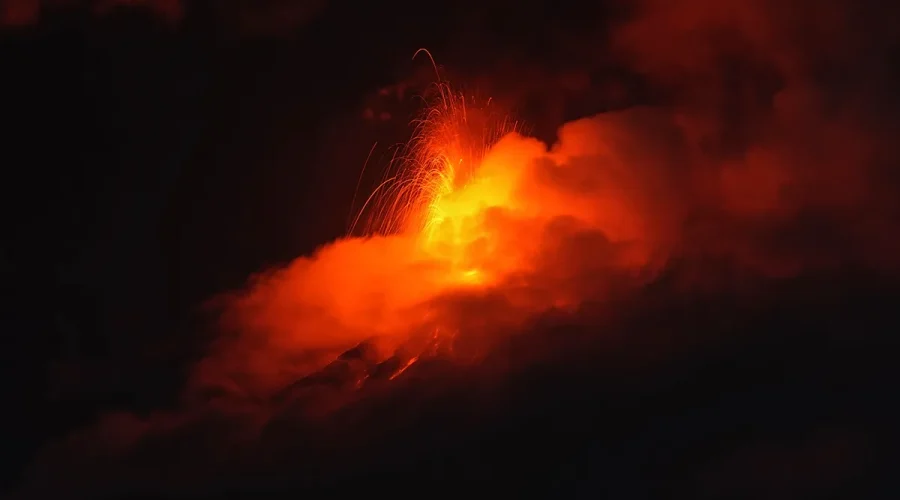
Visual documentation captured during the eruption revealed a spectacular but dangerous phenomenon: a lava fountain reaching nearly 500 meters into the sky. This towering column of molten rock and gas demonstrated the intensity of the volcanic activity occurring beneath the surface.
Pyroclastic flows—fast-moving currents of hot gas and volcanic matter—were observed traveling through several ravines surrounding the mountain. These flows represent one of the most destructive volcanic hazards, capable of reaching speeds exceeding 100 kilometers per hour and temperatures above 1,000 degrees Celsius. The presence of multiple pyroclastic flow paths indicated that the eruption was affecting a broad area around the volcano’s summit.
Infrastructure disruptions followed quickly. A major highway connecting communities near the volcano was closed to traffic to ensure safe passage for emergency vehicles and to prevent vehicles from becoming trapped if conditions worsened. Educational institutions in nearby towns suspended classes as a precautionary measure, allowing students and teachers to remain in safer locations.
Historical Context Highlights Ongoing Risks
The current eruption has renewed memories of a devastating event that occurred in 2018, when Fuego unleashed one of its most powerful eruptions in recent history. That catastrophic event claimed hundreds of lives and completely destroyed a village located on the volcano’s slopes. The 2018 eruption had far-reaching consequences, affecting an estimated 1.7 million people across the region through ash fall, transportation disruptions, and economic impacts.
Guatemala sits on the Pacific Ring of Fire, a seismically active zone that hosts numerous volcanoes. The country’s volcanic landscape presents both opportunities for geothermal energy and agriculture, as well as persistent risks to communities living in close proximity to these natural formations. Emergency preparedness has become an essential component of daily life for residents in volcanic regions.
Community Response and Recovery Efforts
Local authorities have coordinated with national disaster management agencies to ensure that evacuated residents receive adequate shelter, food, and medical care. The temporary shelters have been equipped to handle the influx of displaced families, with provisions for children, elderly residents, and those with special needs.
Monitoring stations continue to track volcanic activity around the clock, measuring seismic tremors, gas emissions, and ground deformation. These measurements help scientists predict potential future eruptions and determine when it will be safe for residents to return to their homes.
The closure of the highway has also impacted local commerce and transportation networks. Farmers and traders who rely on this route for moving goods are experiencing delays, while emergency supplies are being prioritized for delivery to affected communities.
As the situation develops, officials remain cautious about declaring an all-clear. Volcanic systems can remain active for extended periods after initial eruptions, and secondary hazards such as lahars—volcanic mudflows—can occur days or even weeks after the main eruptive event. Residents in the affected area are being advised to remain vigilant and follow official guidance regarding evacuation and return procedures.
The response to this eruption demonstrates Guatemala’s growing capacity to manage volcanic threats through improved monitoring technology, coordinated emergency protocols, and community education programs that have been developed in the years since the 2018 disaster.
Related Reading
Frequently Asked Questions
What is Fuego volcano eruption forces mass evacuations?
Fuego volcano eruption forces mass evacuations is the main topic of this guide. The article explains the context, practical details, and next steps readers should understand.
Why does Fuego volcano eruption forces mass evacuations matter?
Fuego volcano eruption forces mass evacuations matters because readers are looking for a useful answer, not just a short summary. Good content should match search intent and help them decide what to do next.