Vilnius’ Vingis Park Became a Corgi Carnival as Hundreds of Dogs Competed Across Borders
Usagevpn.com – The Lithuanian capital shed its usual quiet for one loud, barking Saturday when roughly 150 corgis descended on Vingis Park to contest the fifth edition of an annual dog race that has grown from a small local gathering into a genuinely international spectacle. Thousands of spectators lined the park’s paths and open fields, cheering as the compact, long-bodied dogs sprinted, jumped, bellowed, and paraded in costumes before a crowd that stretched well beyond what the organizers likely anticipated for a breed-specific event.
Seven Disciplines, One Very Loud Afternoon
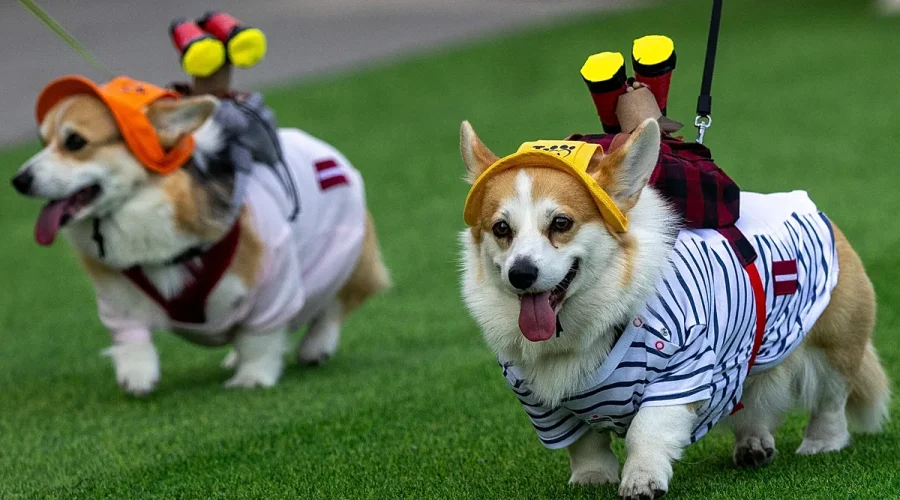
The competition was structured around seven distinct categories designed to showcase different facets of corgi temperament and athleticism. Solo sprints tested raw speed over short distances, while an agility course demanded the dogs navigate obstacles with their characteristic low-to-the-ground build. Perhaps the most entertaining segment was a loudest-voice contest, in which handlers encouraged their pets to produce the most resonant bark possible — a challenge that turned sections of the park into a wall of sound. A run-and-return challenge required dogs to dash forward and come back on command, testing both obedience and enthusiasm. Rounding out the program was a costume parade, where owners dressed their animals in elaborate outfits, adding a theatrical dimension to what had already been a high-energy afternoon.
The variety of events matters because corgis are not a single-purpose breed. Originally bred in Wales as herding dogs for cattle and sheep, they combine endurance with a strong vocal instinct — traits that make them equally suited to sprinting across a field and filling the air with an alarm bark. Organizers appear to have leaned into both sides of that heritage when designing the competition format.
A Nine-Nation Field
This year’s edition drew participants from nine countries, reflecting how the event has outgrown its Lithuanian origins. Owners and handlers travelled across Europe — and beyond — to bring their dogs to Vilnius, turning what began as a niche breed-enthusiast meetup into a cross-border gathering. The geographic spread underscores a broader trend in European pet culture: breed-specific competitions are increasingly functioning as social festivals rather than purely sporting contests, with the emphasis on community, spectacle, and shared enthusiasm for a particular type of dog.
Vilnius itself has become an unlikely but fitting host. The city’s compact old town, extensive green spaces including Vingis Park, and relatively permissive attitude toward dogs in public areas make it logistically convenient for multi-day gatherings where animals need room to run and owners need places to socialize. The park setting also keeps the event away from dense pedestrian zones while still remaining accessible to large crowds.
The Winner: A Dog Named “GG” and an American Owner
The headline result of the day belonged to a corgi called “GG,” whose owners made the trip from the United States specifically for this competition. The dog took the top spot in the main race, beating out the other entrants in what was presumably the most contested category on the schedule.
Dustin Embrey, one of the dog’s owners, spoke after the event about the experience of bringing a pet to a foreign capital for a breed competition. His observation went beyond the race itself:
“Vilnius was so welcoming to dogs that we would consider returning to the Lithuanian capital even without the race.”
That remark highlights a point that extends well past corgi fandom. Cities across Europe have been adjusting their public spaces, transit policies, and hospitality norms to accommodate pet-owning visitors, and Vilnius appears to have crossed a threshold where dogs are not merely tolerated but actively integrated into the urban experience. For an owner travelling internationally with a pet, that level of acceptance transforms what might otherwise be a stressful logistical operation into something approaching a holiday.
Why Corgi Culture Keeps Growing
The Pembroke Welsh Corgi and its rarer cousin, the Cardigan Welsh Corgi, have enjoyed a sustained surge in popularity over the past two decades, driven partly by royal association — Queen Elizabeth II kept Pembroke corgis throughout her reign — and partly by the breed’s compact size, which suits apartment living without sacrificing an outgoing personality. That combination of manageability and high energy makes them natural candidates for competitive dog sports: they are small enough to fit in urban parks yet driven enough to compete seriously.
Breed-specific events like the Vilnius race also serve a practical function within the corgi community. They provide a structured occasion for owners to compare training methods, discuss health considerations specific to the breed (including spinal and hip concerns that affect low-slung dogs), and build networks of experienced handlers. The competitive element adds excitement, but the social infrastructure around it — shared knowledge, mutual support, collective enthusiasm — is what sustains participation year after year.
With five editions now behind it, the Vilnius Corgi Race has established itself as a fixture on the European dog-event calendar. The scale of this year’s turnout — 150 dogs, nine countries, thousands of spectators — suggests the organizers will face growing logistical challenges in future editions, from veterinary support and waste management to crowd flow around a park that is also a beloved local recreation space. Whether the event continues to expand or stabilizes at its current size, one thing appears certain: the barking in Vingis Park on race day has become something Vilnius residents now schedule their weekends around.
Related Reading
Frequently Asked Questions
What is Corgis race bark and dress up at?
Corgis race bark and dress up at is the main topic of this guide. The article explains the context, practical details, and next steps readers should understand.
Why does Corgis race bark and dress up at matter?
Corgis race bark and dress up at matters because readers are looking for a useful answer, not just a short summary. Good content should match search intent and help them decide what to do next.