Heatwave Pulls Champagne’s Grape Harvest Forward by Days, Straining Workers and Quality Windows
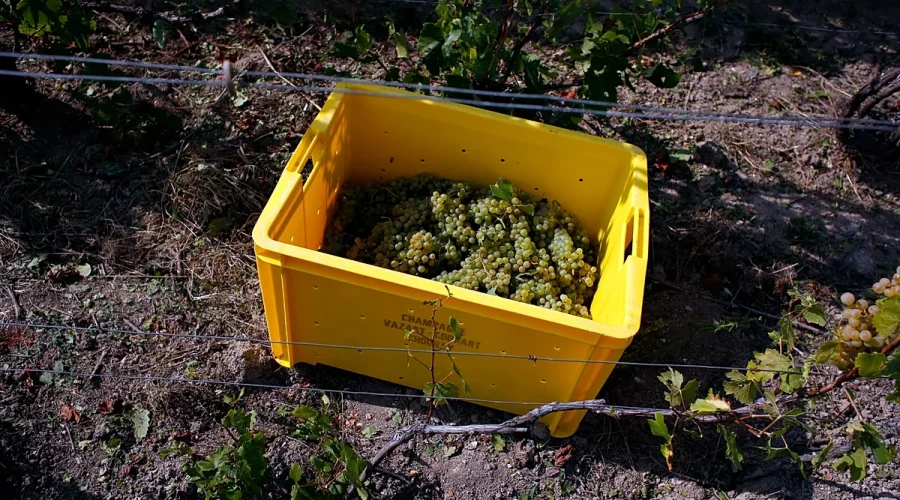
Usagevpn.com – The vineyards surrounding Tours-sur-Marne, a small commune tucked into the Marne department just south of Épernay, are already echoing with the clatter of shears and the murmur of pickers moving row by row through the canopy. Aerial footage captured this week shows crews working under temperatures that would normally signal midsummer leisure rather than the opening of the autumn vendange. What should have been a late-September ritual is unfolding in the final days of August, compressed by a stretch of sustained heat that has pushed the grapes toward full ripening weeks ahead of their historical norm.
For growers across the Champagne region, the shift is not merely a calendar inconvenience. It reshapes labour logistics, narrows the already-fragile window in which fruit reaches optimal sugar and acid balance, and forces decisions about picking speed that carry direct consequences for the character of the wine to come.
A Five-Day Advance and a Halved Workforce
In Tours-sur-Marne, winegrower Ophélie Lapie-Lamiable has brought her harvest forward by five days relative to the schedule she had planned. The decision was not optional; the pace of sugar accumulation in her parcels left little room to wait. Yet the early start collides with a second problem: she is fielding roughly half the seasonal crew she would normally deploy.
Champagne’s vendange depends heavily on temporary agricultural workers who arrive from across France and beyond for the autumn window. This year, many of those workers have shortened their summer holidays to accommodate the pulled-forward dates, meaning fewer hands are available precisely when the fruit demands the most. The result is a compressed, high-pressure operation in which each remaining picker must cover more ground in fewer hours, under conditions that accelerate both fatigue and the risk of overripe, low-acidity fruit.
Why Ripening Speed Matters in Champagne
Champagne grapes — predominantly Chardonnay, Pinot Noir, and Meunier — are picked at a lower sugar level than still-wine varieties, often around 11 to 12 degrees Brix, because the base wine must retain sufficient natural acidity to survive secondary fermentation in the bottle. That narrow target means the difference between a few days of additional heat and a few days of cooler weather can be the difference between a wine with structure and one that is flabby, low-acid, and difficult to stabilize.
When a heatwave compresses the final two weeks of ripening into ten days, growers face a dilemma: pick early and risk underdeveloped flavour precursors, or wait and watch acidity collapse as sugars climb past the threshold. Teams in the Marne and Aube departments are therefore moving through their parcels at an accelerated pace, prioritising the most advanced vines first and accepting that some fruit will be harvested at the very edge of its quality window.
Climate Pressure on a Region Built on Precision
The Champagne area, centred on the town of Épernay and stretching across the Marne, Aube, and Aisne departments, has long been considered one of the cooler major wine zones in continental Europe. Its northern latitude and chalky soils historically produced grapes that needed the full length of September to reach the modest ripeness required for sparkling-wine base. Recent decades have eroded that margin. Average temperatures in the region have climbed, and the frequency of multi-day heat events above 35 °C has increased, shortening the phenological calendar year by year.
The practical consequence is a harvest that creeps earlier each season. Growers who once began picking in the last week of September now find themselves cutting fruit in late August, sometimes earlier. That shift disrupts not only the viticultural calendar but the entire downstream chain: cooperatives and négociants must adjust cellar capacity, transport schedules, and fermentation timelines to accommodate a compressed intake of juice.
Labour, Logistics, and the Human Cost
Seasonal workers in Champagne have traditionally structured their summer around the vendange window. A harvest that arrives five or ten days early upends holiday plans, family commitments, and the informal labour networks that connect growers to pickers. When a grower like Lapie-Lamiable finds herself with half her planned team, the remaining workers face longer days, heavier physical loads, and tighter supervision requirements. The economic pressure falls on both sides: growers risk losing fruit to rot or bird pressure while waiting for additional labour, while workers face conditions that push them toward the upper limits of safe daily working hours.
Local authorities and interprofessional bodies in Champagne have in recent years discussed measures ranging from expanded social-security coverage for temporary agricultural workers to coordinated scheduling of harvest dates across neighbouring communes to smooth labour supply. Whether such measures can keep pace with a climate that is shifting the calendar faster than policy can adapt remains an open question for the region.
What Comes Next
For the immediate days ahead, the priority in Tours-sur-Marne and the surrounding vineyards is simple: get the fruit into the press before the heat degrades it. Every hour of delay costs acidity; every degree of additional warmth erodes the aromatic complexity that distinguishes a well-made Champagne base from a flat, overly sweet must. The pickers moving through the rows under the August sun are working not just against the clock but against a thermal trend that, for now, shows no sign of reversing.
Related Reading
Frequently Asked Questions
What is Champagne harvest starts early in France?
Champagne harvest starts early in France is the main topic of this guide. The article explains the context, practical details, and next steps readers should understand.
Why does Champagne harvest starts early in France matter?
Champagne harvest starts early in France matters because readers are looking for a useful answer, not just a short summary. Good content should match search intent and help them decide what to do next.