Naval Command Defends Crew Welfare Amid Extended Middle East Deployment
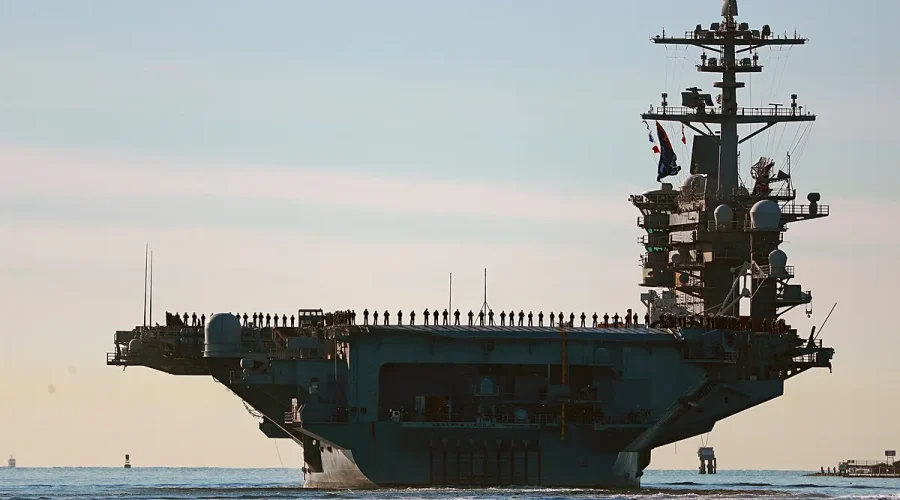
Usagevpn.com – Defense officials are actively countering narratives suggesting a deteriorating mental health situation among sailors stationed on the USS Abraham Lincoln. The aircraft carrier has maintained a continuous presence at sea for over 260 days while executing critical missions across the Middle Eastern theater. Central Command issued a statement through social media channels addressing what they characterized as exaggerated accounts and widespread inaccuracies surrounding the vessel’s current operational status. According to the military branch, personnel aboard remain “resilient and resolved” despite the extended duration of their mission.
Questions regarding sailor welfare and onboard living conditions have intensified over the past several days. The Abraham Lincoln represents the fifth vessel of the Nimitz-class within the United States Navy fleet and ranks among the most substantial warships globally. Its prolonged deployment has drawn attention from congressional leaders who are monitoring the situation closely. Senator Richard Blumenthal, a Democratic representative, formally communicated with Secretary of Defense Pete Hegseth and acting Navy Secretary Hung Cao on Wednesday. His correspondence outlined multiple concerns and requested detailed information about corrective measures being implemented.
“There have been widespread reports of shortages of basic supplies, water contamination, plumbing issues, deteriorating mental health, deck safety concerns, and disruptions in the mail system, which have caused many care packages in route to the ship to be lost in transit for months,” Blumenthal wrote, adding that “recent carrier deployments have repeatedly stretched beyond their originally anticipated durations.”
Secretary Hegseth addressed these matters during a visit to Panama on Thursday. He characterized numerous conditions documented by military publications such as the Navy Times and Stars and Stripes as being “completely misrepresented.” The defense secretary emphasized the military’s commitment to supporting all personnel regardless of deployment length. “We make sure that every ship, every crew, every captain has everything we can provide them at every single moment,” he stated. “Some deployments are longer than others, and I have more respect and gratitude for those sailors than anybody.”
Operational Context and Recent Incidents
Central Command verified that a sailor experienced an incident on August 3 when he fell overboard into the ocean. Officials confirmed the individual was “quickly and safely recovered” without serious injury. This event adds to the growing list of concerns being tracked by naval authorities and congressional oversight committees.
The USS George Washington is reportedly preparing to relieve the Abraham Lincoln from its Middle Eastern duties. This transition represents a standard rotational practice for Nimitz-class carriers, which serve multiple strategic purposes. These massive vessels operate fighter aircraft squadrons, provide critical support to ground forces deployed overseas, and conduct maritime security missions. Their capabilities extend to countering terrorist threats and safeguarding commercial shipping routes throughout international waters.
The Abraham Lincoln currently participates in Operation Epic Fury, a military campaign initiated by President Donald Trump targeting Iran. The operation commenced with coordinated strikes during late February and pursues the objective to “dismantle the Iranian regime’s security apparatus.” Extended deployments of this nature are not unprecedented in American naval history, though they do place additional strain on crew members and onboard resources.
Broader Implications for Naval Operations
The current situation highlights challenges inherent in maintaining prolonged forward-deployed naval presence. Extended missions require careful management of supplies, maintenance schedules, and personnel welfare programs. Mental health support systems aboard aircraft carriers have evolved significantly in recent years, but sustained operations beyond planned timelines can test even the most robust support structures.
Congressional interest in the matter reflects broader concerns about military readiness and the well-being of service members. The senator’s letter demonstrates active oversight of defense operations and willingness to hold military leadership accountable for addressing reported deficiencies. Defense officials’ response suggests confidence in their ability to manage the situation while maintaining operational effectiveness.
The Abraham Lincoln’s continued presence in the region underscores the strategic importance of the Middle East to American interests. As tensions persist and operations continue, the Navy must balance mission requirements with the health and morale of its sailors. The upcoming handover to the USS George Washington will provide an opportunity to assess the effectiveness of current support measures and determine whether additional resources are needed for future deployments.
Related Reading
Frequently Asked Questions
What is US military pushes back on reports?
US military pushes back on reports is the main topic of this guide. The article explains the context, practical details, and next steps readers should understand.
Why does US military pushes back on reports matter?
US military pushes back on reports matters because readers are looking for a useful answer, not just a short summary. Good content should match search intent and help them decide what to do next.