Flesh-Eating Bacteria Threat Grows with Climate Change in Europe
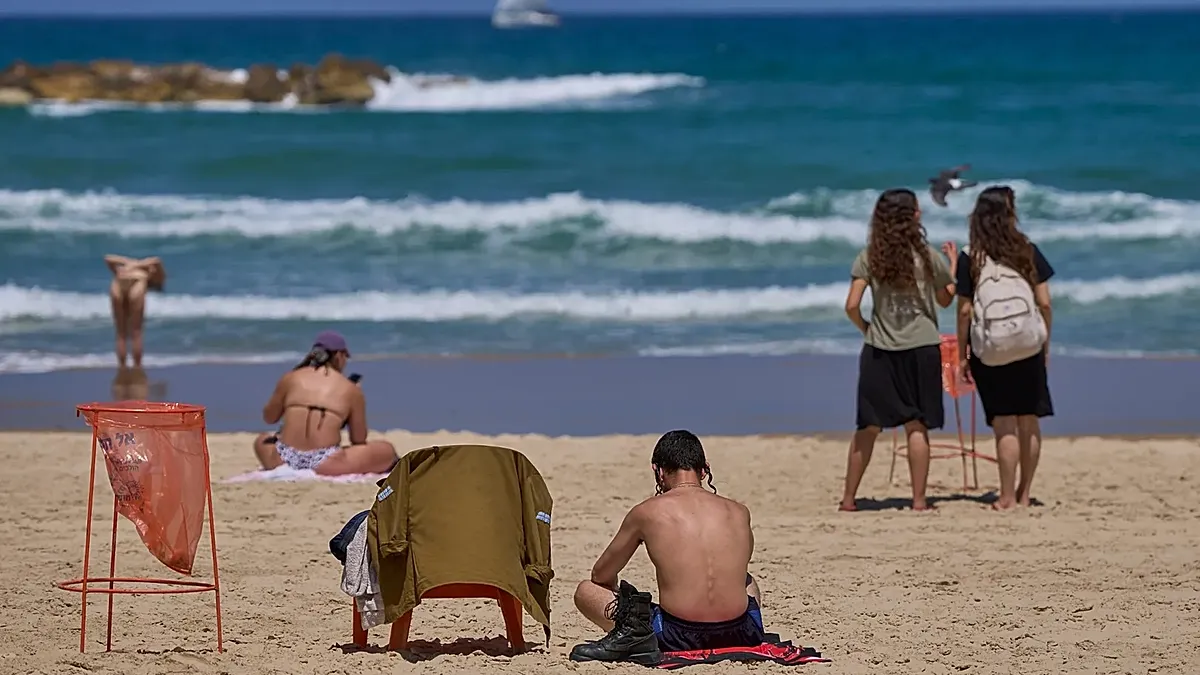
Threat of flesh eating bacteria spreads – As summer approaches, Europe’s coastlines are facing an escalating concern: the rise of flesh-eating bacteria. This phenomenon, linked to climate change, has led to increased reports of Vibrio-related infections across the continent. With rising sea temperatures and shifting environmental conditions, the threat of flesh-eating bacteria is expanding, putting both tourists and local communities at risk. Spain, for instance, has already seen several beaches closed due to contamination, highlighting the urgency of addressing this growing public health challenge.
Climate Change and the Rise of Vibrio
Climate change is driving the spread of Vibrio bacteria, which thrive in warmer, saltier waters. The European Food Safety Authority (EFSA) has noted that these microbes are becoming more prevalent as ocean temperatures climb. In the Mediterranean, one of the world’s fastest-warming seas, the situation is particularly dire.
“The Mediterranean is showing us what a hotter world represents,” says Hatim Aznague, an analyst with the Union for the Mediterranean Projects, Climate Action and Energy Resilience. “The countries that share this sea can still choose to share a solution.”
This region acts as a microcosm for the broader impact of climate change on marine ecosystems and human health.
Vibrio vulnificus, Vibrio parahaemolyticus, and certain Vibrio cholerae strains are among the most dangerous species. These bacteria can cause severe infections through contact with contaminated water or raw seafood, leading to conditions like necrotising fasciitis and sepsis.
“Vibrio is a close relative of the bacterium that causes cholera, although the two microorganisms cause very different diseases,” explains Gavi. “In severe cases, the infection can trigger necrotising fasciitis, where tissue around wounds rapidly decomposes. The bacterium can also enter the bloodstream, causing sepsis, and in some instances, patients may require amputation of the affected limb.”
Health authorities like the ECDC warn that these risks are intensifying during heatwaves and in shallow coastal waters.
Ecological and Economic Impacts
The spread of flesh-eating bacteria is not only a health issue but also an economic one. Coastal regions, which are vital to Europe’s tourism industry, are now grappling with the fallout of this bacterial surge.
“On our coasts, the shoreline is not part of the economy, it is the economy!” notes Aznague. “A closed beach represents a climate impact with an attached bill. It is also a cost of ‘a reputation that takes years to rebuild.’”
The Mediterranean, Europe’s most visited tourist region, is especially vulnerable, as hotels, restaurants, and local businesses depend on the stability of these shores.
Ecologically, the proliferation of flesh-eating bacteria is tied to changes in marine environments. Increased freshwater runoff from rivers has reduced salinity in some coastal zones, creating ideal conditions for Vibrio to thrive.
“The risk is not only to health but also ecological: these bacteria flourish in environments where the natural balance of the marine ecosystem has been disrupted,” says Aznague. “This phenomenon is especially visible in the Mediterranean Sea, regarded by scientists as one of the regions most vulnerable to global warming.”
The combination of pollution, warmer waters, and altered salinity levels is exacerbating the problem, making it more than a seasonal issue.
With climate change accelerating, the threat of flesh-eating bacteria is expected to worsen. EFSA reports indicate that the risk of Vibrio infections is likely to increase in both Europe and globally, particularly in low-salinity waters and estuaries. Extreme weather events, such as prolonged heatwaves and heavy rainfall, further stress marine ecosystems, creating more opportunities for these bacteria to spread. Scientists emphasize that addressing this threat requires a multifaceted approach, combining environmental monitoring, public health education, and sustainable coastal management.
Residents and visitors are being