Europe’s Grid Faces New Test as Heatwaves Push Solar to Limits
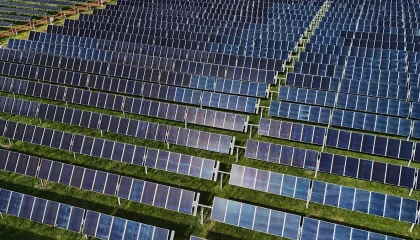
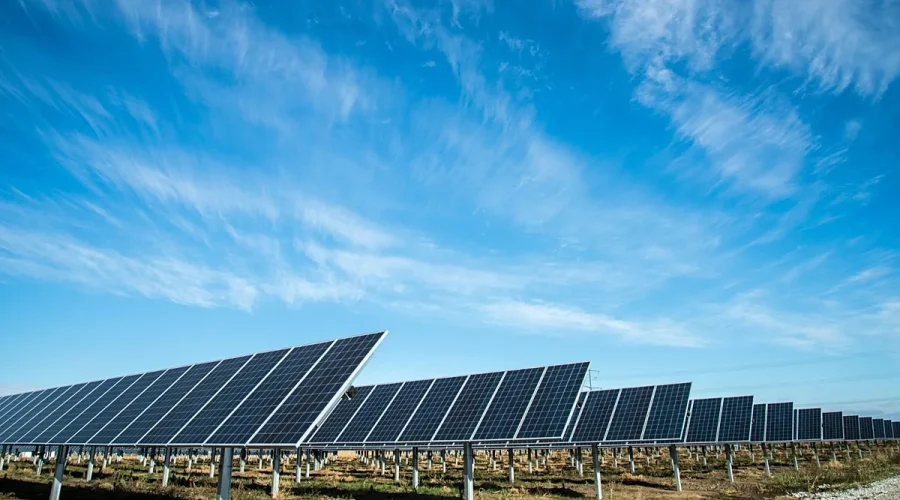
Usagevpn.com – Europe’s energy infrastructure is undergoing an unprecedented stress test as consecutive heatwaves sweep across the continent. While solar power has emerged as an unexpected hero during these extreme weather events, experts warn that the most difficult challenges lie ahead once the sun sets. The intersection of rising temperatures, increased cooling demand, and drought conditions is reshaping how the continent generates and manages electricity.
Solar’s Unexpected Boost During Peak Heat
During the blistering summer months of June and July, solar energy production experienced remarkable growth across European nations. A comprehensive analysis conducted by the energy research organization Ember revealed that solar output climbed by as much as seventeen percent on days classified as heatwave conditions. This surge occurred simultaneously with electricity consumption spikes of up to twenty-five percent, driven primarily by the sudden need for air conditioning and cooling systems.
The relationship between temperature and energy demand is well-documented. The International Energy Agency calculated that space cooling equipment—encompassing air conditioners and fans—accounted for approximately seven percent of global electricity consumption in 2022. Even nations with traditionally low air conditioning penetration experienced significant demand surges when temperatures soared.
France provides a compelling example. During the early summer heatwaves of 2025, the country recorded evening electricity peaks twenty-five percent higher than off-season averages, largely attributable to residential and commercial cooling systems. The late-June heatwave of the current year demonstrated even more dramatic regional variations. Italy saw daily electricity demand climb by twenty-eight percent, Hungary by twenty-three percent, France by fourteen percent, and Spain by thirteen percent compared to pre-heatwave baselines.
“Solar is already doing heavy lifting during heatwaves, but the real challenge starts after sundown,” noted senior energy analyst Chris Rosslowe. “In the evening, when cooling demand is still high, the grid is most exposed to expensive gas-fired power.”
Grid Vulnerabilities After Sunset
While solar generation benefited from the extended daylight hours and clearer skies typical of heatwave conditions, the timing mismatch between peak solar production and peak evening demand created new vulnerabilities. Average daily solar generation during heatwaves proved seventeen percent higher in both France and Hungary, five percent higher in Spain, and remained consistent with normal levels in Italy compared to other days in June and July.
Notably, solar emerged as the only major power source to perform better than usual during these extreme conditions. However, as evening approached and solar output declined, European grids faced renewed pressure from cooling demands while simultaneously relying on costlier gas-fired generation to fill the gap.
Drought Impacts Across Multiple Energy Sources
The back-to-back heatwaves that scientists describe as virtually impossible without climate change have triggered cascading effects beyond electricity demand. Mass droughts across the continent have disrupted multiple energy production methods simultaneously. Low water levels along the Danube River compelled Hungary to curtail nuclear power output, while experts cautioned that hydropower generation in the Alpine region approached all-time lows.
Fossil-fuelled energy production also suffered from the water crisis. Poland was forced to reduce output at a coal-fired power plant due to critically low water levels in the Vistula River, demonstrating how drought conditions create cross-sector energy challenges.
Price Volatility and the Storage Solution
The convergence of heatwaves and drought conditions produced significant price volatility across European electricity markets. During the late-June and early-July heatwaves, average daily electricity prices surged one hundred nineteen percent higher in Hungary, forty-four percent in France, thirteen percent in Italy, and seven percent in Spain compared to comparable days in preceding weeks.
“While solar saves the day, battery storage can save the evening,” Rosslowe explained. “Together, they are one of the clearest ways to make Europe’s power system more resilient in the hotter summers. As solar output rises during heatwaves and other power sources struggle, storage can carry that cheap electricity into the evening.”
Experts emphasize that these price surges underscore the critical need for expanded battery storage infrastructure. Such systems can capture excess solar energy generated during peak production hours and release it during evening demand peaks, reducing reliance on expensive gas-fired power and smoothing price volatility.
As Europe continues to experience increasingly frequent and intense heat events, the integration of solar generation with robust storage capabilities represents a fundamental shift in how the continent manages energy resilience. The lessons learned from these summer heatwaves will likely inform long-term investment decisions in grid modernization, renewable capacity expansion, and storage deployment across European energy markets.
Related Reading
Frequently Asked Questions
What is The real challenge starts after sundown?
The real challenge starts after sundown is the main topic of this guide. The article explains the context, practical details, and next steps readers should understand.
Why does The real challenge starts after sundown matter?
The real challenge starts after sundown matters because readers are looking for a useful answer, not just a short summary. Good content should match search intent and help them decide what to do next.