Spain hits 42C: nine regions on alert for extreme heat
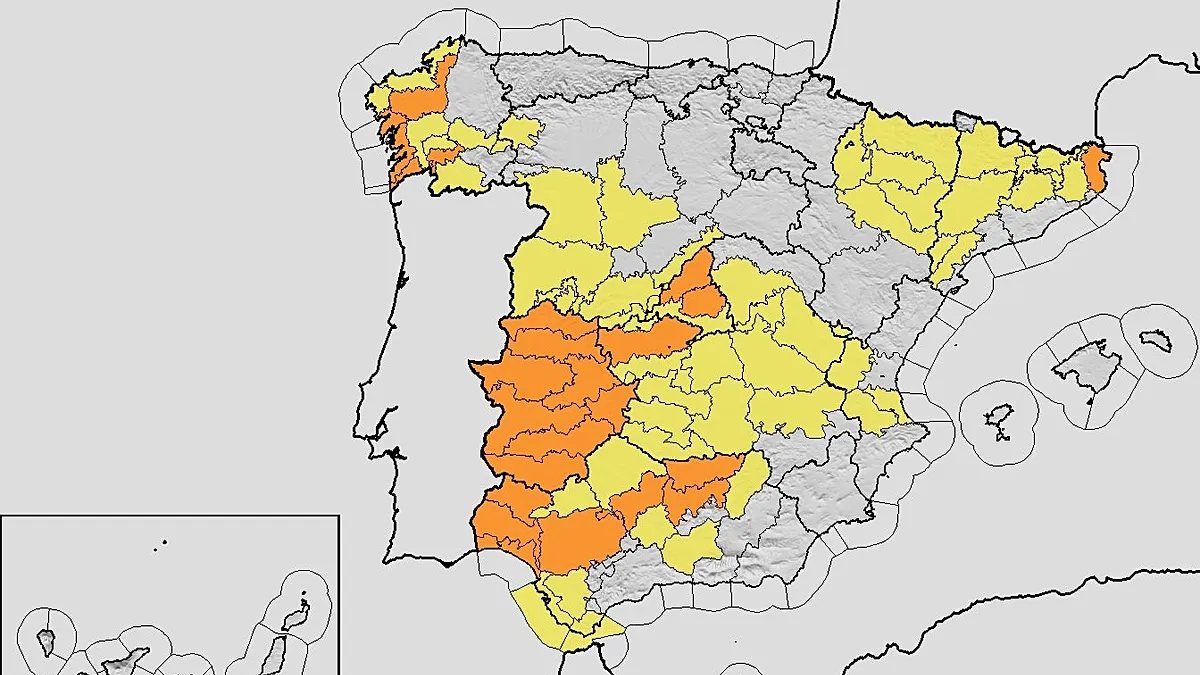
Spain hits 42C – Spain is grappling with a severe heatwave as temperatures soar to unprecedented levels, prompting authorities to issue warnings across nine regions. The crisis has intensified over the past week, with the orange alert—denoting a high risk level—remaining active in several key areas. Meanwhile, other regions are still under a yellow warning, which indicates a lower but still notable threat. The extreme conditions have caught many off guard, especially in regions that typically experience milder summers.
Heatwave impacts across the country
Extremadura is the most affected region, with the orange alert covering its entire territory. Temperatures there have consistently hovered near 40ºC, creating a dangerous environment for residents. Similarly, the Tagus valley in Castilla-La Mancha is expected to see temperatures nearing the same threshold. In contrast, Aragón, Castile and León, and the Valencian Community have seen the warning level stay at yellow, signaling a moderate risk of heat-related issues.
The heatwave’s intensity varies by location. In Andalusia, the Guadalquivir valley of Jaén, the Sierra Morena, and the Condado district are facing the highest risks. The lowlands of Córdoba and Seville, along with El Andévalo and the coastal regions of Huelva, are also predicted to reach temperatures close to 42ºC during peak hours. Madrid is another hotspot, where the Sierra region and the metropolitan area are under the most severe warnings, with temperatures expected to climb to 39ºC in certain zones. Meanwhile, the Henares basin is projected to experience maximum temperatures of 37ºC.
Galicia, known for its cooler climate, has become an unexpected casualty of the heatwave. The orange alert extends to inland areas like Ourense, where temperatures may peak at 39ºC, and the Rías Baixas region in Pontevedra, as well as the south-west of A Coruña, where heat is forecast to remain around 37ºC. This development marks a rare deviation from the region’s usual weather patterns, where extreme heat episodes are typically uncommon.
Heatwave trends and historical context
Meteorologists have noted a concerning shift in the pattern of heatwaves, as this year’s episode aligns with a growing trend of frequent extreme weather events. According to data from the Spanish Meteorological Agency (Aemet), the rise in temperatures began at the start of the week and has since escalated, leading to the issuance of a special heatwave warning. The agency anticipates the heatwave to persist for at least two more weeks, with conditions likely to remain severe until next Tuesday.
Experts highlight that the frequency of such events has increased significantly in recent years. Since 1975, Spain has recorded twelve heatwaves in June alone, with half of them occurring after 2015. This suggests a long-term climatic change, where regions previously spared from extreme heat are now experiencing similar conditions. The first heatwave of the summer, which lasted through much of June, had a profound impact, contributing to hundreds of deaths linked to high temperatures. The Health Ministry’s monitoring system documented the surge in heat-related fatalities, underscoring the severity of the situation.
The current wave of heat is part of a broader pattern that challenges traditional weather norms. While southern and central regions have historically been the epicenters of intense heat, the inclusion of Galicia in the orange alert category highlights a broader geographical reach. This anomaly raises questions about the adaptability of local communities and the need for updated response strategies. As temperatures continue to climb, the effects on infrastructure, agriculture, and public health are becoming increasingly apparent.
Health advisories and public response
Health authorities are urging residents to take precautions to mitigate the risks associated with extreme heat. Key recommendations include avoiding strenuous activities during the hottest part of the day, staying hydrated, and monitoring vulnerable populations such as the elderly, children, and individuals with chronic illnesses. These measures are critical in preventing heat exhaustion, dehydration, and even heatstroke, which can occur rapidly in high-temperature environments.
The warnings are not just advisory; they reflect the urgency of the situation. In regions like Extremadura, where temperatures are regularly near 40ºC, the heat poses a direct threat to public health. The Health Ministry’s monitoring system has been tracking the impact of these conditions, with the first heatwave of the summer contributing to a significant number of fatalities. As the weather worsens, hospitals and emergency services are on high alert, preparing for an influx of cases related to heat exposure.
Local governments are also taking action to ensure public safety. Cooling centers have been established in urban areas, and outdoor workers are being encouraged to take regular breaks. Additionally, schools and businesses are adjusting schedules to minimize exposure during peak heat hours. These efforts are part of a coordinated response to protect communities from the escalating effects of the heatwave.
Climate change and future outlook
The persistence of extreme heatwaves is increasingly being attributed to climate change, which has altered weather patterns and extended the duration of warm periods. Scientists warn that such events will become more frequent and intense in the coming decades, requiring proactive measures to adapt. The current heatwave serves as a stark reminder of the challenges posed by rising global temperatures, with its impact felt across Spain’s diverse landscapes.
While the immediate focus is on managing the current crisis, long-term planning is essential. Infrastructure must be upgraded to handle the demands of extreme heat, and public awareness campaigns should be expanded to educate residents on heat safety. The inclusion of Galicia in the orange alert also suggests that the effects of climate change are not confined to traditional hotspots, necessitating a more inclusive approach to risk management.
Aemet’s special warning underscores the importance of vigilance. The agency has highlighted that the heatwave is part of a larger climatic shift, with temperatures rising steadily over the past few weeks. This gradual increase has caught many by surprise, as the intensity of the episode surpasses expectations. The forecast for the coming days remains grim, with conditions expected to stabilize only after the next Tuesday.
As the heatwave continues, its societal and economic repercussions are becoming evident. Agriculture is suffering due to prolonged dry spells, and energy demand has surged, straining power grids. Transportation systems are also under pressure, with road conditions worsening and travel advisories being issued. The situation calls for a unified effort from all sectors to ensure resilience against the growing threat of extreme weather.
Residents across Spain are adapting to the new reality, but the challenge remains significant. The combination of high temperatures and humidity creates a dangerous environment, particularly for those without access to adequate cooling. Communities are being tested as they respond to the demands of the heatwave, with local authorities working to distribute resources and provide support. The upcoming days will be crucial in determining the extent of the impact and the effectiveness of mitigation strategies.
Overall, the current heatwave is a powerful indicator of the changing climate and its effects on everyday life. With nine regions under alert and temperatures reaching 42C in some areas, the urgency for action is clear. The lessons learned from this episode will shape future responses to extreme weather, ensuring that Spain is better prepared for the challenges ahead.