Trump Says US Forces Killed Leader of the Tren de Aragua Gang
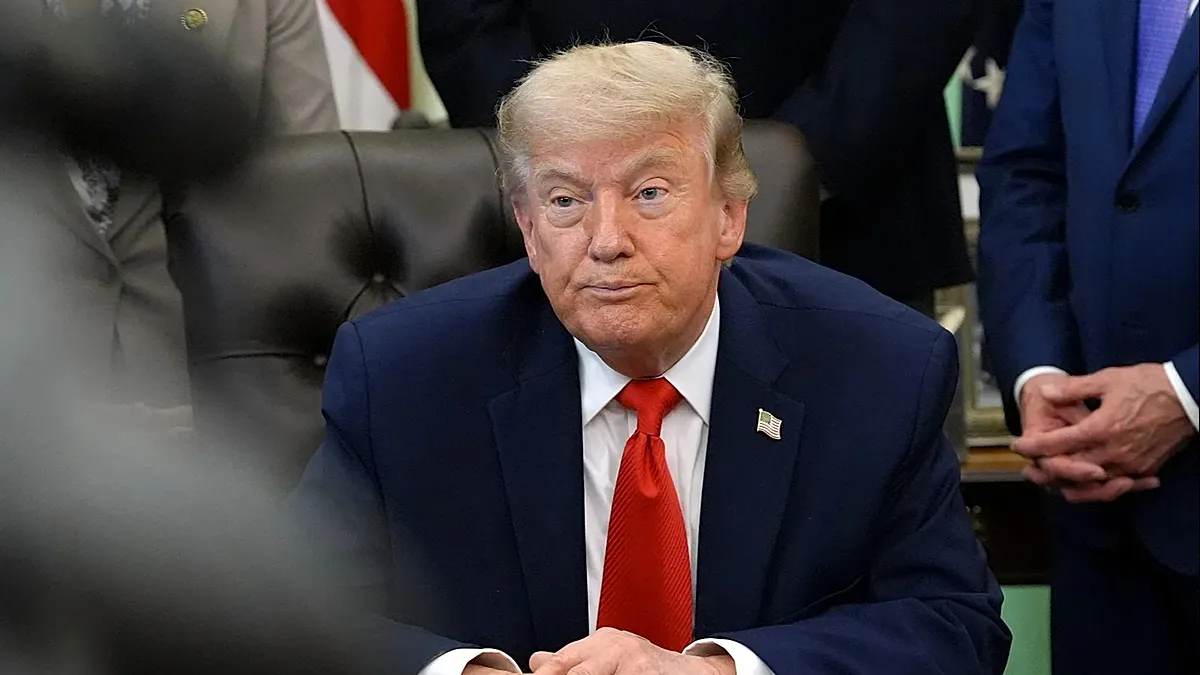
Trump says US forces killed leader – On June 13, 2026, former US President Donald Trump announced that American military personnel had executed a mission to neutralize Hector Guerrero Flores, the head of the notorious Tren de Aragua criminal group. In a statement shared on his social media platform, Truth Social, Trump characterized the gang as “one of the deadliest terrorist organizations operating globally,” highlighting its role in orchestrating violent acts across multiple countries. The operation, according to Trump, was conducted by the United States Southern Command, which executed a “rapid and decisive kinetic strike” targeting the gang’s leadership in Venezuela.
The announcement came alongside a brief, unclassified video clip released by the White House. The footage depicted a structure with a green roof engulfed in flames, likely capturing the moment of the strike. While the video did not show the leader’s death directly, it provided visual confirmation of the operation’s success. Trump’s post emphasized the strategic importance of the action, suggesting it marked a significant blow to the gang’s capabilities and influence.
“Hector Guerrero Flores was a central figure in the Tren de Aragua’s operations, leading efforts that spanned continents and threatened global security,” Trump wrote. “The elimination of this key leader is a major victory for American forces and a step toward dismantling their network.”
According to Pete Hegseth, the US Secretary of War, the attack occurred earlier in the week and focused on a Tren de Aragua compound located in Venezuela. The operation was conducted with “complete coordination” between American and Venezuelan security agencies, which worked together to identify and strike the target. This collaboration underscored the growing partnership between the two nations in combating transnational criminal threats.
The Tren de Aragua, a well-established gang, has been labeled a foreign terrorist organization by the US since February 2025. The National Counterterrorism Center (NCTC) defines the group as a sprawling criminal network that originated in Venezuela’s Tocorón Prison and has since expanded its reach into neighboring countries. With an estimated 2,500 to 5,000 members, the gang is implicated in a range of illicit activities, including kidnappings, extortion, human and drug trafficking, and acts of public violence. Its operations are often described as coordinated and ruthless, posing a threat to both local and international security.
Fluent in the gang’s tactics, Tren de Aragua has demonstrated a capacity for cross-border coordination, leveraging advanced methods such as cryptocurrency to launder funds and distribute narcotics in large quantities. Its involvement in weapons trafficking and organized violence has drawn comparisons to multinational criminal syndicates, with its activities impacting regions far beyond Venezuela’s borders. The NCTC has consistently highlighted the group’s evolution from a local gang to a transnational entity capable of conducting complex attacks.
Legal Charges and Rewards for Information
Earlier in December 2025, Hector Guerrero Flores was formally charged in a Manhattan federal court for his role in directing and facilitating acts of terrorism and violence within the United States. The indictment detailed his leadership in orchestrating attacks that targeted civilians and infrastructure, contributing to the gang’s reputation as a dangerous criminal force. As part of the broader effort to apprehend key figures, the US State Department had previously offered a reward of up to $5 million for information leading to Flores’ capture, a measure that reflected the gravity of his alleged crimes.
Florian Flores, also known as Niño Guerrero, was not only the gang’s founder but also a driving force behind its expansion and operational efficiency. His alleged directives to commit terrorist acts and coordinate with other criminal groups have made him a focal point of US counterterrorism efforts. The legal proceedings against him were part of a larger strategy to disrupt the gang’s activities and hold its leaders accountable for their actions.
“Hector Guerrero Flores was the mastermind behind the Tren de Aragua’s rise as a transnational threat,” said US Attorney Jay Clayton at the time of the charges. “His leadership transformed the group into a coordinated criminal syndicate that operates with the precision of a military force.”
The operation’s success was attributed to the joint efforts of US and Venezuelan forces, who identified the gang’s compound and executed the strike with minimal civilian casualties. This collaboration highlighted the shared interest in addressing the gang’s influence, which has long been a concern for regional governments. The Tren de Aragua’s activities in Venezuela have been linked to widespread criminality, including drug smuggling and political assassinations, further justifying the US’s involvement in targeting its leadership.
Experts note that the elimination of Flores represents a pivotal moment in the fight against the gang. By removing its leader, the US aims to weaken the group’s ability to plan and execute large-scale attacks. However, the gang’s remaining members are expected to continue their operations, as the organization has a decentralized structure that allows it to adapt quickly to losses. The US Southern Command’s report on the strike emphasized the operation’s speed and lethality, underscoring the effectiveness of the approach used.
The Tren de Aragua’s designation as a foreign terrorist organization has enabled the US to pursue legal and military actions against its members. This status, granted in February 2025, allows for the use of targeted strikes, sanctions, and the mobilization of international resources to combat the group. The gang’s influence in the region has also prompted discussions about the need for regional alliances to address the threat more comprehensively.
As the US continues its campaign against Tren de Aragua, the focus remains on dismantling its financial networks and disrupting its supply chains. The gang’s ability to operate across borders and use modern technology, such as cryptocurrency, has made it a challenging adversary. Analysts suggest that the elimination of Hector Guerrero Flores is a strategic move that could reduce the group’s capacity to launch coordinated attacks, though its legacy of violence is likely to persist.
While the operation has been celebrated as a success, questions remain about its long-term impact. The Tren de Aragua’s presence in Venezuela and its ties to other criminal groups indicate that the fight against the organization is ongoing. The US’s collaboration with Venezuelan forces has been a key component of this effort, and the continued exchange of intelligence between the two nations is expected to play a critical role in future operations.
In summary, the strike against Hector Guerrero Flores has been framed as a decisive moment in the US’s counterterrorism strategy. By targeting the gang’s leadership, American forces have sought to weaken its operations and send a strong message to its members. The Tren de Aragua’s designation as a foreign terrorist organization and the reward for information have also been instrumental in encouraging cooperation from both domestic and international sources. As the gang adapts to its losses, the challenge of eradicating its influence will require sustained effort and strategic coordination.