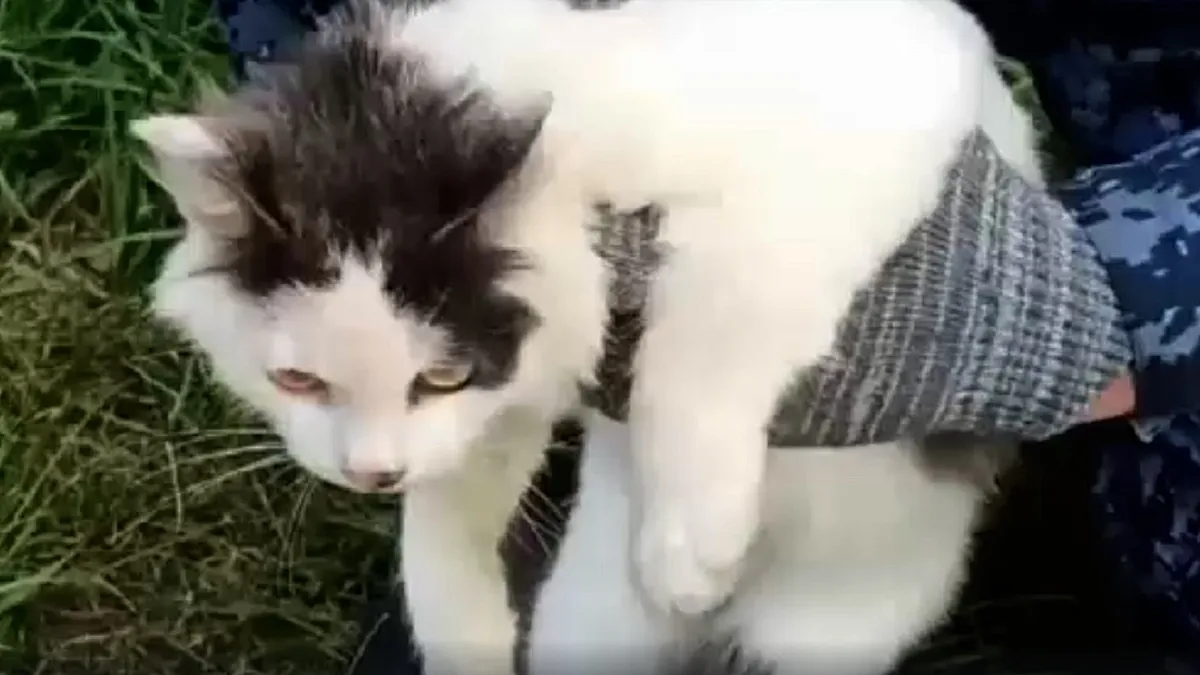
Feline Smuggler Caught Red-Handed at Russian Correctional Facility
An Unusual Delivery Method Discovered in Nizhny Novgorod
Usagevpn.com – Correctional officers at a Russian detention center recently uncovered a rather unconventional method of contraband delivery. On Tuesday, personnel working within Russia’s penitentiary network successfully intercepted a domestic cat that had been utilized to transport prohibited substances into Penal Colony No. 17, located in the city of Nizhny Novgorod. This unexpected discovery highlights the creative ways inmates attempt to receive items from the outside world.
The Federal Penitentiary Service, commonly referred to as FSIN, provided detailed information about the incident. According to their official statement, the “furry offender” was equipped with two specially crafted fabric collars around its neck. These collars were not ordinary pet accessories but rather cleverly designed containers capable of concealing small packages. Inside these fabric wrappings, officers discovered various banned substances that were destined for the facility’s residents.
The Discovery and Verification Process
What makes this case particularly interesting is how the smuggling attempt was foiled. Colony staff members happened to notice the feline courier before it managed to pass through the main entrance gates. Rather than allowing the animal to enter unnoticed, the vigilant guards intervened and successfully captured the cat. Once secured, they carefully removed the fabric collars from the animal’s neck.
To confirm the contents of the collars, a specialized dog handler arrived at the scene accompanied by a trained sniffer dog. The canine expert quickly determined that the fabric wrappings indeed contained narcotics. This verification step was crucial for the authorities to document the contraband properly and ensure the security protocols were followed correctly.
The Federal Penitentiary Service described the animal as a “furry offender” in their official statement regarding the incident.
Animal Smuggling: A Growing Phenomenon
The use of animals for smuggling purposes is not entirely new to correctional facilities worldwide. Dogs, birds, and even insects have all been employed at various times to transport drugs, phones, and other prohibited items into prisons. However, the use of a domestic cat is somewhat less common and certainly more surprising to prison staff. These animals can move relatively freely around facilities, especially during visiting hours or when maintenance workers are present.
The two fabric collars worn by this particular cat demonstrate a level of planning and preparation. Someone outside the prison must have carefully constructed these containers and fitted them to the cat. The timing of the delivery was also crucial, as the animal needed to be at the right place at the right moment to be spotted by the observant staff members.
Aftermath and Resolution
Once the contraband was secured and the verification process completed, the authorities focused on the welfare of the feline participant. FSIN representatives confirmed that the cat was subsequently released back into the community. Before its release, officials made certain that the animal had not suffered any harm during the interception and removal of the collars. This consideration for the animal’s well-being reflects the humane approach taken by Russian correctional services.
The successful interception of this drug-smuggling attempt serves as a reminder that prison security is constantly evolving. As inmates find new ways to receive contraband, security personnel must remain alert and adaptable. The Nizhny Novgorod incident demonstrates that even the most unexpected visitors can become unwitting smugglers, and that thorough observation can prevent prohibited items from reaching their intended destinations.
While the specific types of narcotics found in the collars were not detailed in the official statement, the confirmation by the sniffer dog was sufficient for the authorities to proceed with their standard procedures. The incident has likely prompted additional scrutiny of animals entering the facility and may lead to new protocols for inspecting pets and other creatures that regularly visit the penal colony.