Rooftop Solar Can Provide Five Hours of ‘Free’ Cooling Per Day. Is It Truly Green?
The Cooling Power of Solar Panels
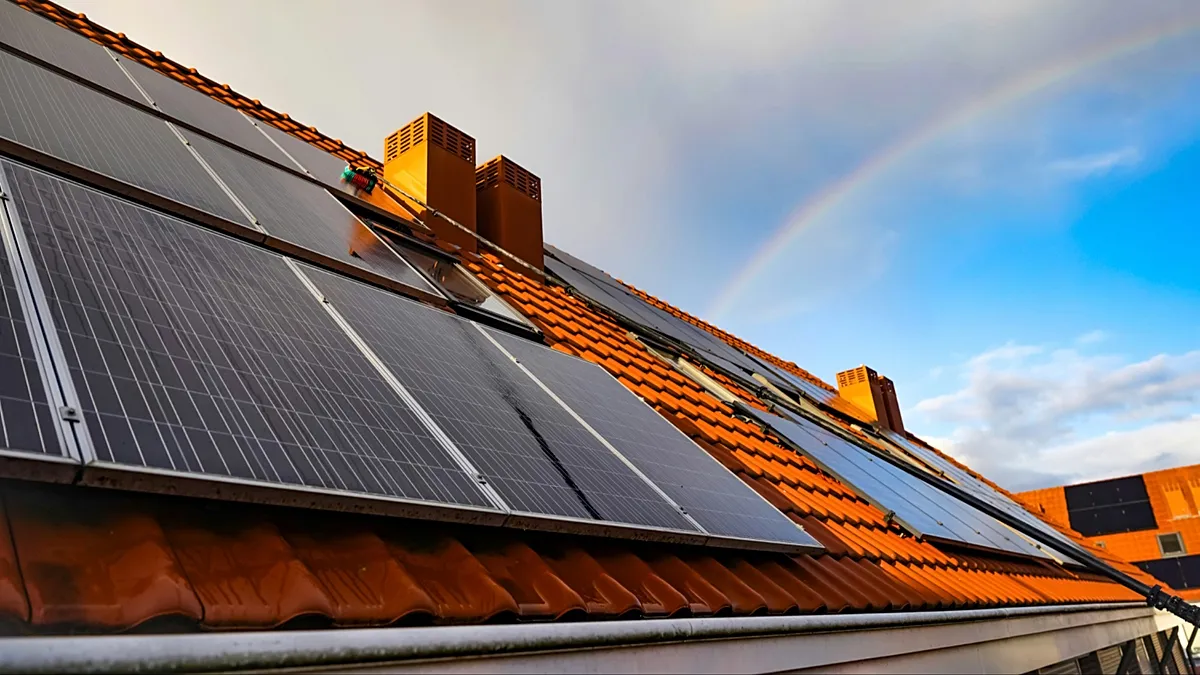
Rooftop solar can provide five hours of electricity to power air conditioning, offering a promising solution to rising temperatures. During a severe heatwave in Europe, studies show that homes with solar panels can generate enough energy to run air conditioners for around five hours daily. This potential to deliver “free” cooling has sparked debate on whether solar energy systems are a sustainable alternative to traditional power sources. While the benefits are clear, the environmental implications of widespread solar-powered air conditioning remain a critical question.
As temperatures soar, the demand for cooling has increased dramatically. The energy research group Ember highlights that the current solar capacity in the UK could support five hours of air conditioning per day, helping to reduce reliance on fossil fuels. However, the energy mix used to supplement solar power still plays a role in overall emissions. For instance, when solar energy is insufficient, homes might turn to grid electricity, which can vary in sustainability depending on the region’s energy sources.
Environmental Trade-offs of Air Conditioning
While rooftop solar can provide five hours of energy for cooling, the environmental impact of air conditioning extends beyond energy consumption. According to the International Energy Agency (IEA), space cooling accounted for 7% of global electricity use in 2022, contributing to 3% of greenhouse gas emissions. Even when powered by renewables, air conditioners still rely on refrigerants that emit potent greenhouse gases like HFCs. These chemicals, though effective in cooling, can significantly impact the climate if not managed properly.
Moreover, the production and installation of air conditioning units also carry environmental costs. Despite the benefits of solar-powered cooling, the manufacturing process of these systems involves energy-intensive materials and processes. The Climate Change Committee has emphasized that transitioning to efficient cooling technologies is essential, but challenges like high upfront costs and outdated models persist. These factors could limit the full green potential of rooftop solar.
Global Cooling Trends and the Role of Solar Energy
Climate change is driving a surge in air conditioning adoption worldwide. By 2050, the IEA predicts over 5.5 billion units will be installed globally, with the EU expected to see more than 275 million by that time. In this context, rooftop solar can provide five hours of cooling per day becomes a pivotal point in the discussion. Experts argue that solar energy systems can offset some of the environmental damage caused by cooling demands, especially in regions with abundant sunlight.
Yet, the efficiency of air conditioning units remains a key factor. Many consumers still choose less efficient models, which may not fully capitalize on the benefits of solar power. This inefficiency raises concerns about whether solar energy can provide five hours of cooling without compromising environmental goals. Addressing this requires not only better solar technology but also a shift in consumer behavior and policy support to encourage high-performance systems.
Refrigerants and the Climate Impact
The environmental impact of air conditioning also depends on the type of refrigerants used. While rooftop solar can provide five hours of electricity for cooling, the refrigerants in air conditioners—such as HFCs and HCFCs—can have a massive climate footprint. These gases are thousands of times more effective at trapping heat than CO2, leading to significant emissions even when powered by clean energy. In 2022, cooling-related emissions totaled 1,750 tonnes of CO2 equivalent, underscoring the need for greener alternatives.
“The shift to natural refrigerants like propane or CO2 is crucial for reducing the climate impact of air conditioning,” says a report from the European Environment Agency. “Even with rooftop solar can provide five hours of cooling, we must address the refrigerant issue to ensure long-term sustainability.”
This transition to eco-friendly refrigerants is gaining momentum, with the EU and UK already phasing out fluorinated gases. However, challenges such as flammability risks and installation complexities remain. By adopting these changes, solar-powered cooling could become a more viable green option, balancing the need for comfort with climate responsibility.
Future Prospects and Policy Needs
As the climate continues to warm, the role of rooftop solar can provide five hours of cooling will likely expand. The 2026 Independent Assessment of UK Climate Risk suggests that 22% of buildings may require active cooling under a 2°C warming scenario. This highlights the urgency of integrating solar energy into broader climate strategies. Governments and energy providers must work together to support the installation of solar panels and promote energy-efficient cooling solutions.
Investing in solar energy infrastructure is essential to meet the growing demand for cooling while minimizing carbon emissions. The Climate Change Committee has called for targeted government funding to ensure that solar-powered systems are accessible to all households, especially those in low-income areas. By combining rooftop solar can provide five hours of cooling with sustainable refrigerants and efficient models, the environmental benefits of air conditioning can be maximized.