Romania moves forward with new bear-management rules
Usagevpn.com – Romania’s president, Nicușor Dan, has signed legislation intended to curb the country’s growing brown bear population after months of constitutional and parliamentary debate. The measure permits the preventive shooting of 859 bears during 2026, while allowing intervention hunting of another 110 protected large wild animals when they present a danger to human life.
The law was approved again by the Chamber of Deputies on 16 September and will take effect once it appears in the official gazette. Its adoption comes amid increasing concern in communities where bears have become a frequent presence near homes, roads and other built-up areas.
Growing encounters in populated areas
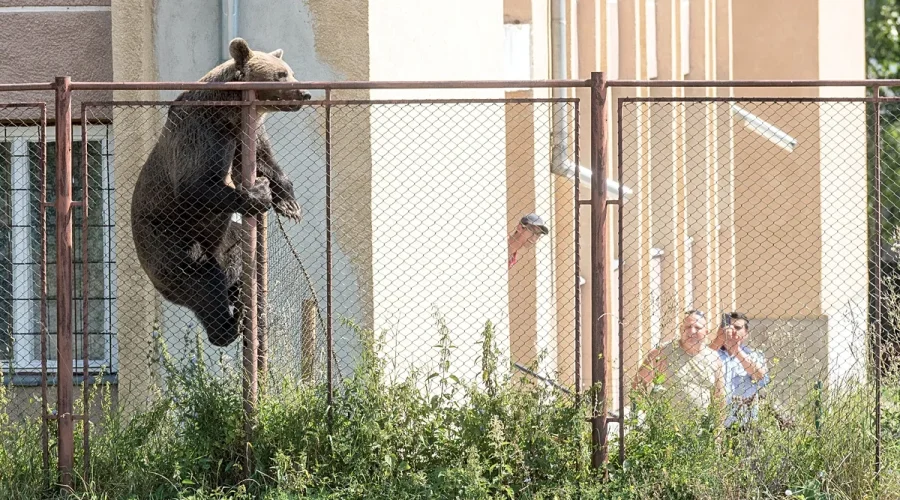
Bear sightings in Romanian settlements have become increasingly common in recent years, alongside a sharp rise in attacks. Fatal incidents have also occurred, adding urgency to arguments for faster intervention when animals enter areas used by people.
Romania has Europe’s largest brown bear population and the continent’s greatest genetic diversity among bears. A population-mapping survey estimated that the country has between 10,600 and 12,700 individuals. Supporters of the new legislation say those figures underline the need for a broader response that combines immediate action against dangerous animals with longer-term population management.
The distinction is important in the law’s design. The preventive quota is meant to reduce numbers in advance, while the separate intervention provision is intended for protected wild animals that threaten human safety. Backers of the measure have argued that responding only after a dangerous encounter is not enough to address the wider problem.
Time pressure over the 2026 quota
Even with the law now signed, officials in some areas doubt the entire quota can be completed before the end of the year. The prolonged legal dispute has left only limited time to carry out culls involving several hundred animals.
Covasna County prefect Ráduly István raised that concern last week. His county, in Szeklerland, has a quota of 86 bears for 2026. Thirty animals had already been removed, but he said the time remaining was insufficient to reach the full target.
Ráduly said the revised law was necessary because both bear numbers and the damage linked to them had increased substantially in the county. During the first eight months of the year, emergency services recorded roughly 300 calls involving bears entering built-up areas. Two bear attacks were also registered in that period.
For residents, the issue is not limited to wildlife statistics. Repeated emergency calls reflect encounters that can disrupt daily life and create safety concerns in villages and towns. The law is intended to give authorities a clearer framework for acting before potentially dangerous situations escalate.
President’s earlier objections
Dan had initially challenged the draft at the Constitutional Court and later returned it to parliament in August for further consideration. The court rejected his constitutional challenge. The president then asked lawmakers to revisit the bill and clarify several elements of the version first adopted.
Parliament ultimately retained the wording already passed by the Senate. The Chamber of Deputies approved it without amendments, despite calls during debate for the rules to be implemented quickly.
The legislation was initiated by the Democratic Alliance of Hungarians in Romania, known as RMDSZ. Senator Tánczos Barna, acting deputy prime minister and one of the bill’s initiators, said the alliance had sought almost a year earlier to double preventive quotas for both 2026 and 2027.
He linked that request to the scientific population survey and argued that Romania’s bear overpopulation could only be reduced through more effective intervention. At the same time, he stressed that swift action involving dangerous bears should not be treated as a substitute for comprehensive management of the overall population.
A policy challenge beyond this year
The new law settles the immediate legal question over 2026 quotas, but it also highlights the practical difficulties of wildlife policy after lengthy institutional delays. Authorities must now work within a much shorter period to apply the rules, while local communities continue to deal with frequent bear incursions.
Its impact will depend not only on the number of animals removed this year, but on whether future preventive quotas and emergency intervention measures can be carried out in time. Romania’s challenge is to reduce risks to people and property while managing a bear population that remains exceptionally large and genetically significant in Europe.
Related Reading
Frequently Asked Questions
What is Romanian president signs law regulating bear?
Romanian president signs law regulating bear is the main topic of this guide. The article explains the context, practical details, and next steps readers should understand.
Why does Romanian president signs law regulating bear matter?
Romanian president signs law regulating bear matters because readers are looking for a useful answer, not just a short summary. Good content should match search intent and help them decide what to do next.