Major Victory: Sweden to Ban Forever Chemicals Before EU
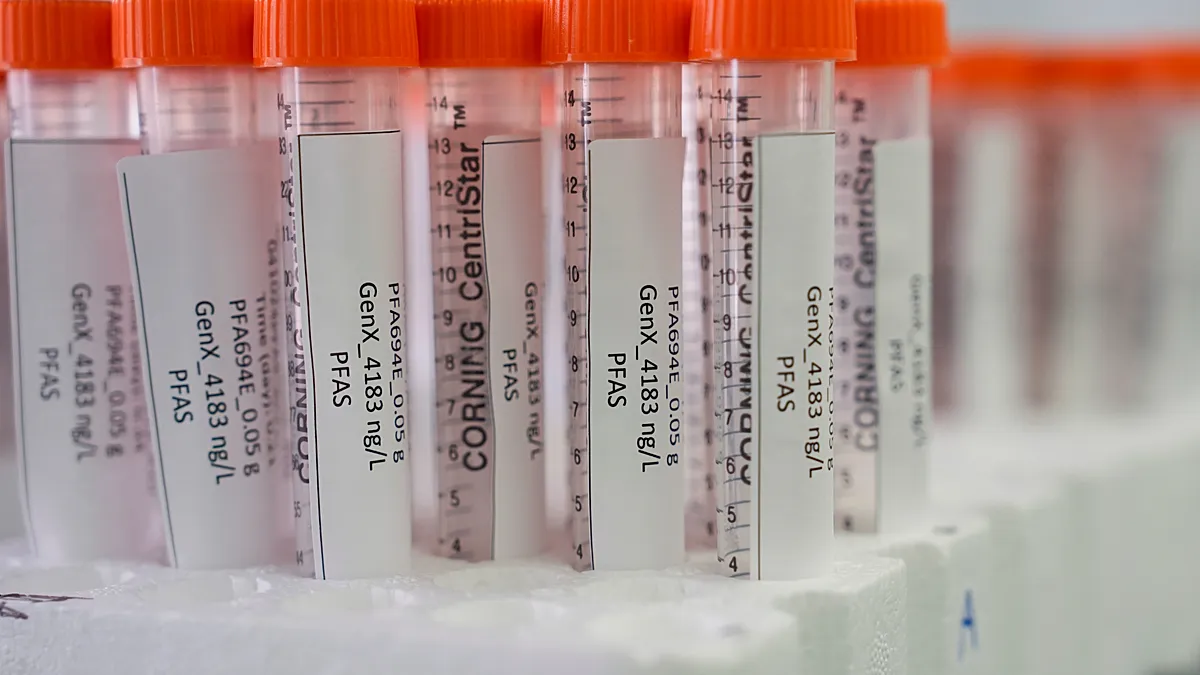
Usagevpn.com – Sweden has declared a major victory for public health by announcing plans to ban ‘forever chemicals’ in consumer products as early as 2028. “This is a major victory for human health and for the Swedish environment,” stated Minister for Climate and the Environment Romina Pourmokhtari in a statement released on 23 July. “PFAS should not be found in clothing, cosmetics, kitchen utensils and other everyday products when there are working alternatives.” Per- and polyfluoroalkyl substances (PFAS) are a group of more than 10,000 synthetic chemicals that take thousands of years to degrade naturally, earning them the nickname ‘forever chemicals’.
Sweden’s Ambitious Timeline
The European Union is expected to present legislative proposals on PFAS in 2027, but it could take much longer before EU-wide restrictions are officially approved and implemented. “The [Swedish] government wants to get ahead of the EU with a national ban,” said the Ministry of Climate. The ban is expected to come into force on 1 January, 2028. “Sweden does not intend to wait while forever chemicals continue to spread in our homes, in nature and in our bodies,” said Pourmokhtari. “With a national ban and a comprehensive action plan, we are raising the level of ambition significantly and giving the authorities better tools to both prevent new pollution and manage that which already exists.”
What Are Forever Chemicals?
Since the 1940s, PFAS have been used in everyday products from nonstick cookware to clothing, as well as industrial manufacturing. They have been found virtually everywhere on Earth – from the peak of Mount Everest to human blood. The chemicals are increasingly being restricted across the world due to their impact on human health, with links to certain cancers, reduced fertility and disruption of the immune system. Chronic exposure to PFAS has been linked to adverse health impacts, including the promotion of certain cancers.
“PFAS don’t stay locked inside products. They escape into our homes, our food and water and our bodies,” explains Sian Sutherland, co-founder of anti-plastic campaign group A Plastic Planet. “The greatest concern is for those most vulnerable to chemical pollution – pregnant women and babies during the first 1,000 days of life, when exposure can have lifelong consequences that ripple through generations.”
Sweden intends to ban the chemicals in consumer products, including clothing, shoes, waterproofing agents, kitchenware, cosmetic products and ski wax. “Sweden’s proposal proves that governments don’t have to accept toxic chemistry as the price of modern life,” says Sutherland. “Safer alternatives already exist, and Sweden has shown that governments can and should choose to back them.”
Some other European countries have already taken the problem into their own hands. France introduced a landmark ban on forever chemicals in 2026, prohibiting the sale, production, or import of any product for which an alternative to PFAS already exists. There are several exceptions to France’s ban, including for textiles deemed “necessary for essential use” or national sovereignty. Denmark banned PFAS on food contact paper and board in July 2020, expanding to clothing, footwear and waterproofing agents in July 2026.
National legislation will eventually be replaced by EU-wide regulations, a proposal for which is slated to be presented by the Commission in 2027. It is expected to place restrictions on the use of PFAS in common consumer products, such as clothing or pizza boxes, with exceptions for strategic sectors, such as the medical field. A first scientific opinion published at the end of March recommended a broad restriction on forever chemicals. The European Chemicals Agency (ECHA) is expected to provide a second opinion on the socio-economic impact of anti-PFAS measures by the end of this year, which could influence the scope of the regulations.
“Europe now has the opportunity to break free from a toxic legacy that has been allowed to continue for far too long,” says Sutherland. “Protecting people must always come before protecting industry. The solutions are here. What has been missing is the political will to accelerate the transition away from these unnecessary chemicals.”
EU-wide protections against forever chemicals in drinking water also came into effect in January. However, they faced criticism for tackling the symptom rather than the cause. In Europe, an estimated 12.5 million people live in communities with drinking water contaminated with PFAS.