Iran: officials announce dates for Ali Khamenei funeral and burial
Funeral Schedule Unveiled
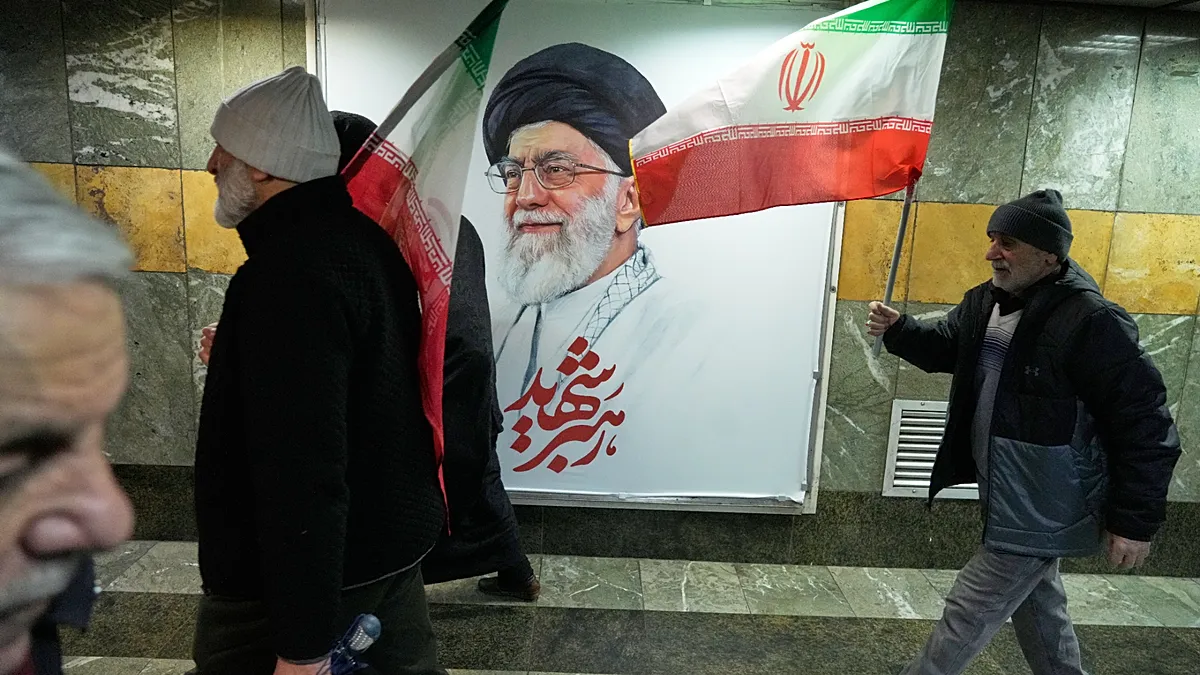
Iran has unveiled the schedule for the state funeral of Ali Khamenei, the former Supreme Leader, which is set to span several days beginning on July 4. Khamenei was killed on February 28, 2026, during a coordinated U.S.-Israeli assault on Iran, alongside a number of high-ranking officials and military commanders.
Commemorative Events Planned
The official committee overseeing the commemoration of the late leader announced that his remains will be displayed at the Tehran Mosalla for two consecutive days, July 4 and 5. A grand procession is planned for July 6 in Tehran, following which the body will be transported to the holy city of Qom for another ceremonial event on July 7. The final rites are scheduled for July 9 at the shrine of the eighth Shia imam in Mashhad, after a procession through Iran’s second-largest city.
Delays and Public Speculation
The delay in announcing the funeral timeline has sparked widespread curiosity and debate. Officials of the Islamic Republic provided minimal updates on the burial dates, leading to speculation on social media. Critics questioned why the funeral had not proceeded sooner, with some expressing skepticism about the timing.
“several million people” could attend the ceremonies.
During the funeral of Qasem Soleimani, the late commander of the Islamic Revolutionary Guard Corps (IRGC), in 2020, at least 56 people also lost their lives in a crowd crush. Officials have emphasized that the Khamenei funeral is expected to draw a massive turnout, with estimates suggesting that “several million people” could attend the ceremonies.
Regional Participation and Controversies
A Tehran deputy mayor noted that international delegations from Iraq, Afghanistan, Pakistan, India, Kashmir, and other regional nations have expressed readiness to participate in the ceremonies. Some Iraqi officials even suggested the body might be transferred to Najaf and Karbala before final burial in Iran.
Leadership Transition and Uncertainty
Ali Khamenei led Iran for nearly 37 years, from 1989 until his death in February 2026. He held the ultimate authority over the country’s major policy decisions. Since assuming the role of successor, Mojtaba Khamenei has remained in the shadows, with no public appearances or official media releases. It is still unclear whether the new leader will attend the funeral and burial of his predecessor and father, raising questions about continuity within the regime.
Security Concerns and Logistical Challenges
The postponement of Khamenei’s funeral and burial during the initial days of the conflict seemed understandable, given the heightened tensions. However, as regional hostilities subsided and time passed, the delay in finalizing the ceremony’s timeline has drawn further scrutiny. Officials have hinted that security threats and the risk of attacks on the funeral procession were key factors in the prolonged planning process.
Legacy and Impact
Despite the delays, the funeral events are designed to honor Khamenei’s legacy as a pivotal figure in Iran’s political and religious landscape. His death has left a significant void, with many analyzing the potential implications for the nation’s future direction. The extensive security measures and logistical preparations underscore the importance of the occasion, highlighting the country’s efforts to ensure a dignified and secure tribute to its former leader.
Comparisons to Previous Ceremonies
The funeral of Qasem Soleimani in 2020, which occurred amid intense regional conflict, saw tragic consequences with 56 casualties in a crowd crush. In contrast, the current arrangements for Khamenei’s farewell appear to prioritize safety, though the scale of the event is similarly ambitious. The involvement of foreign dignitaries suggests a broader geopolitical significance, as the Islamic Republic seeks to project unity and strength.
Historical Context and National Sentiment
Ali Khamenei’s tenure as Supreme Leader was marked by his deep influence on Iran’s domestic and international policies. His leadership shaped the nation’s response to global challenges, including sanctions, regional conflicts, and nuclear diplomacy. The funeral ceremonies are intended to solidify his place in history, with the burial at Mashhad’s eighth Shia imam shrine symbolizing his spiritual and political stature.
Questions About the Timing
While the initial delay may have been justified by the ongoing war, the extended period without clear updates has raised eyebrows. Some analysts argue that the absence of timely announcements could be a strategic move to manage public perception, while others view it as a sign of uncertainty or hesitation. The contrast with the earlier burial of Ali Larijani, the Supreme National Security Council secretary, who was laid to rest shortly after his death, adds to the intrigue.