Brazil v Morocco: Where Is the Under-16s Curfew Enforced in France?
Brazil v Morocco – As the FIFA World Cup intensifies, cities across France are introducing new measures to manage the influx of spectators and curb potential unrest. Following the implementation of similar restrictions in urban centers like Toulouse and Clermont-Ferrand, Moulins, a city with approximately 19,000 residents, has now joined the list. The decision, announced on Friday, imposes a nighttime curfew on minors under 16 during the tournament, effective from 10 p.m. to 5 a.m. in the city’s central area.
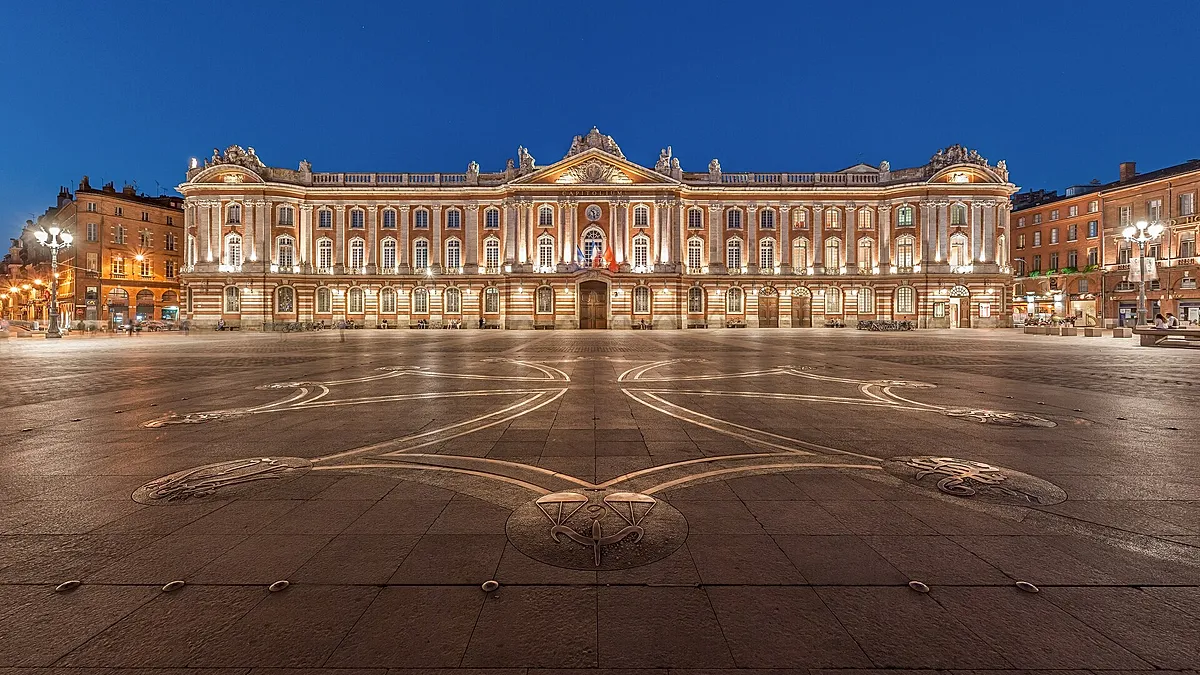
The Curfew in Toulouse
Toulouse, under the leadership of Jean-Luc Moudenc, a center-right politician, has become the latest city to enforce this measure. The curfew aims to “guarantee the safety of Toulouse residents and minors,” as stated by the mayor’s office. This comes amid a series of incidents linked to urban violence, notably after Paris Saint-Germain’s recent Champions League victory. The decree, which spans an extended zone of the city center, was developed in collaboration with the prefecture and national police to ensure comprehensive coverage.
Despite the curfew, exceptions remain for minors who are accompanied by a parent or legal guardian, or for emergencies such as medical needs. The measure is part of a broader strategy to balance public safety with the excitement of the World Cup, which is set to take place in the United States, Canada, and Mexico from June 11 to July 19. Toulouse’s first test under this new policy will occur on Saturday evening, during the anticipated Brazil versus Morocco match.
A Balancing Act of Enforcement
The curfew represents a mix of strict regulation and incentives for fans. Alongside the enforcement, the city has pledged to create a fan zone capable of accommodating up to 18,000 supporters. This initiative was notably advocated by the left-wing opposition, aiming to provide a centralized location for spectators. The fan zone is planned for the Île du Ramier, should France progress beyond the quarter-finals, semi-finals, or final.
However, not all officials agree with the approach. LFI MP François Piquemal, a former rival of Moudenc in municipal elections, has criticized the measure as “madness.” He argues that the curfew will disproportionately affect young people, stating that “young people will be particularly penalised” throughout the tournament. Despite this, the city of Moulins remains committed to its strategy, emphasizing the need to prevent incidents of violence that have plagued other cities recently.
The Political Divide Over Fan Zones
While Toulouse has taken a firm stance on curfews, the debate over fan zones continues to highlight political differences. In Lyon, the Green-led city council has stated that a fan zone is a “possibility,” contingent on France’s progress in the competition. Residents are encouraged to watch matches in local bars and restaurants, which will display games throughout the tournament.
Marseille, governed by the Socialists, has opted not to set up a fan zone, according to local reports. Meanwhile, Paris is still finalizing its plans, with the Socialist deputy mayor, Lamia El Aaraje, expressing a desire to create one. Strasbourg, on the other hand, has already planned to show France’s matches on a massive screen and on bar terraces, aiming to create a festive atmosphere for spectators.
In Vénissieux, a city in the Rhône department, the LFI mayor, Idir Boumertit, is taking a more relaxed approach. He has promised his constituents “a great popular summer,” featuring match screenings in various locations across the city. The event will include refreshment and barbecue areas, reflecting a blend of celebration and practicality. Boumertit’s decision is influenced by the scheduling of matches, which he notes often occur in the middle of the night due to time zone differences.
Hardening Measures in the Capital
Paris has also introduced stricter measures, though they are still in the planning stages. The city’s authorities, led by the Socialist deputy mayor, have not yet finalized the arrangements for the fan zone. However, the move has been supported by the mayor of Vénissieux, who envisions an environment that encourages community engagement and reduces the risk of street gatherings.
In the historic capital of Auvergne, Julien Bony, a Republican (LR) mayor, has announced the toughest measures so far to regulate the World Cup. His city will enforce a curfew from 11 p.m. to 7 a.m., with a fine of €150 for violations. Bony has also taken steps to prevent crowds from forming in the streets by requiring bars showing matches to direct their screens inward. This approach aims to minimize the impact of large gatherings and ensure safety for all residents.
The authorities justify these restrictions by referencing incidents of violence following the Champions League final on May 30 and another on June 5. These events, which were linked to social media calls for riots, have prompted a more cautious strategy across France. While Marseille has not announced a fan zone, the city of Paris remains a key player in the debate, with its plans still evolving.
A Nationwide Strategy
As the tournament progresses, cities are adapting their approaches to meet the demands of the event. Strasbourg’s plan to screen matches on a giant screen and in local bars exemplifies the variety of strategies being employed. Meanwhile, Vénissieux’s mayor has gone even further by creating a festive atmosphere that blends sports and community activities.
With the World Cup now underway, the focus shifts to ensuring that each city can handle the influx of fans while maintaining order. The combination of curfews, fan zones, and strategic planning underscores the challenges faced by local governments. From Toulouse to Vénissieux, the measures reflect a nationwide effort to balance the excitement of the World Cup with the need for public safety.
These actions also highlight the political landscape, where different parties advocate for varying approaches. While some cities prioritize strict enforcement, others emphasize community engagement and inclusivity. As the tournament continues, the effectiveness of these measures will be closely watched, with implications for future events and the management of large-scale sporting occasions.
The World Cup, held in the United States, Canada, and Mexico, is expected to draw massive crowds and create a vibrant atmosphere. However, the decisions made in French cities will serve as a model for other nations facing similar challenges. With the stakes high and the pressure to maintain order, the balance between enforcement and celebration will be crucial in ensuring a successful tournament.