French Heatwave and Tragic Incident
French heatwave – France has been gripped by an unprecedented heatwave, with temperatures soaring to historic levels and tragic consequences emerging from the extreme conditions. A three-year-old child tragically lost his life after being locked inside a family vehicle in Saint-Gratien, a town in the Val-d’Oise département north of Paris. This incident marks the third fatality linked to the scorching weather this week, as revealed by the Pontoise public prosecutor on Thursday. The child’s fate underscores the dangers of heat-related neglect, even in the most familiar settings.
Details of the Tragedy
The boy had climbed into the car while his father believed he was napping. According to the prosecutor’s office, the child became trapped because the vehicle’s child lock feature was activated, preventing the door from opening. The parents, unaware of his absence, later discovered him unconscious inside the locked vehicle. Despite efforts by the parents and firefighters to resuscitate the boy, he could not be saved. The mother, who was resting with their 18-month-old sibling at the time, was taken to the hospital in a state of shock.
“He apparently shut himself in and became trapped in the vehicle before being found unconscious by his parents,” said Public Prosecutor Guirec Le Bras, who provided early insights into the case. The tragedy highlights the critical role of child safety mechanisms, which, in this instance, turned from a protective feature into a deadly trap.
Previous Cases and Rising Concerns
This incident is part of a growing trend of child deaths linked to vehicles during extreme heat. On Monday, two children, aged two and four, were found dead in a family car parked in a residential area of Carpentras in southern France. They are thought to have slipped away from their mother’s supervision and been left in the vehicle without anyone realizing their absence. Such cases have raised alarms among authorities, emphasizing the need for heightened awareness during heatwaves.
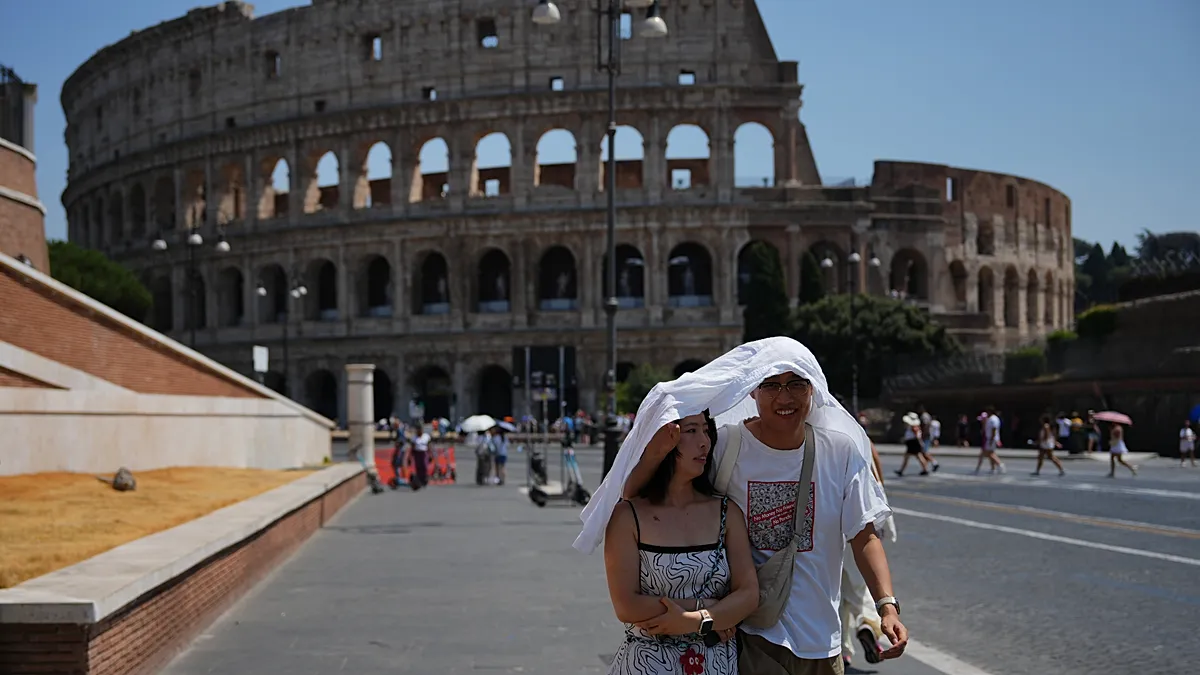
The recent heatwave has also led to a surge in heat-related incidents. On Wednesday, France recorded its hottest day since 1947, with a national average temperature of 30°C. In Paris, the temperature reached 40.3°C, a figure that has only been exceeded four times in the past 150 years. The prolonged heat has pushed the country into a critical situation, with 72 départements under red alert and 17 on orange alert. Over 63 million people are expected to face temperatures above 30°C, according to AFP estimates, following the nation’s hottest night ever.
Government Response and Public Advisories
Authorities have warned that the heatwave, which began last week, could rival the catastrophic 2003 event, which claimed nearly 15,000 lives nationwide. While the exact number of heat-related deaths remains uncertain, officials are urging vigilance. Paris’s first deputy mayor, Emmanuel Grégoire, highlighted the increased mortality rate in the capital, though he did not specify the figures. “I am solemnly calling on people to be careful for their own sake,” he stated, urging residents to avoid prolonged exposure to the sun and limit outdoor activities during peak heat hours.
The crisis has also exposed vulnerabilities in infrastructure. The government estimates that one in three French homes is not equipped to handle extreme heat, sparking discussions about a growing divide between those with access to air conditioning and those relying on fans or basic ventilation. This disparity has raised questions about preparedness, particularly for vulnerable populations such as children and the elderly.
Impact on Daily Life and Education
The extreme temperatures have disrupted daily routines across the country. Schools, especially primary institutions, have been forced to close, shorten their hours, or adjust exam schedules to protect students from the heat. This measure reflects the broader societal strain caused by the heatwave, which is making it increasingly difficult for millions to maintain comfortable living conditions. Public services are now facing challenges, from healthcare to transportation, as the heat continues to intensify.
Experts warn that the situation could worsen if the heatwave persists. The recent spike in temperatures has not only affected individuals but also highlighted systemic issues in France’s ability to respond to climate extremes. As the country grapples with the immediate aftermath, the focus remains on preventing similar tragedies and ensuring that safety measures are prioritized during heat emergencies.
Broader Implications and Future Outlook
The incident in Saint-Gratien serves as a stark reminder of the life-threatening risks posed by heatwaves. While the child lock feature is designed to prevent children from opening car doors, it also illustrates how such mechanisms can fail in critical moments. The parents’ oversight, combined with the vehicle’s safety setting, created a scenario where the child was left alone for at least 45 minutes before the heat took its toll.
As the heatwave continues, authorities are calling for public education campaigns to raise awareness of the dangers of leaving children unattended in vehicles. The case has also sparked debates about the adequacy of current safety protocols and the need for additional measures, such as improved signage in parking areas or mandatory checks for vehicles during extreme weather. The government’s challenge now is to balance immediate response with long-term strategies to mitigate the risks of future heatwaves.
In the wake of this tragedy, the French public is increasingly concerned about the impact of climate change on their daily lives. The combination of record-breaking temperatures and the country’s infrastructure limitations has created a perfect storm of challenges. With the heatwave showing no signs of abating, the focus remains on preventing further casualties and adapting to the new reality of extreme weather conditions.