‘Flesh-eating’ bacteria threat spreads on Europe’s beaches as seas warm
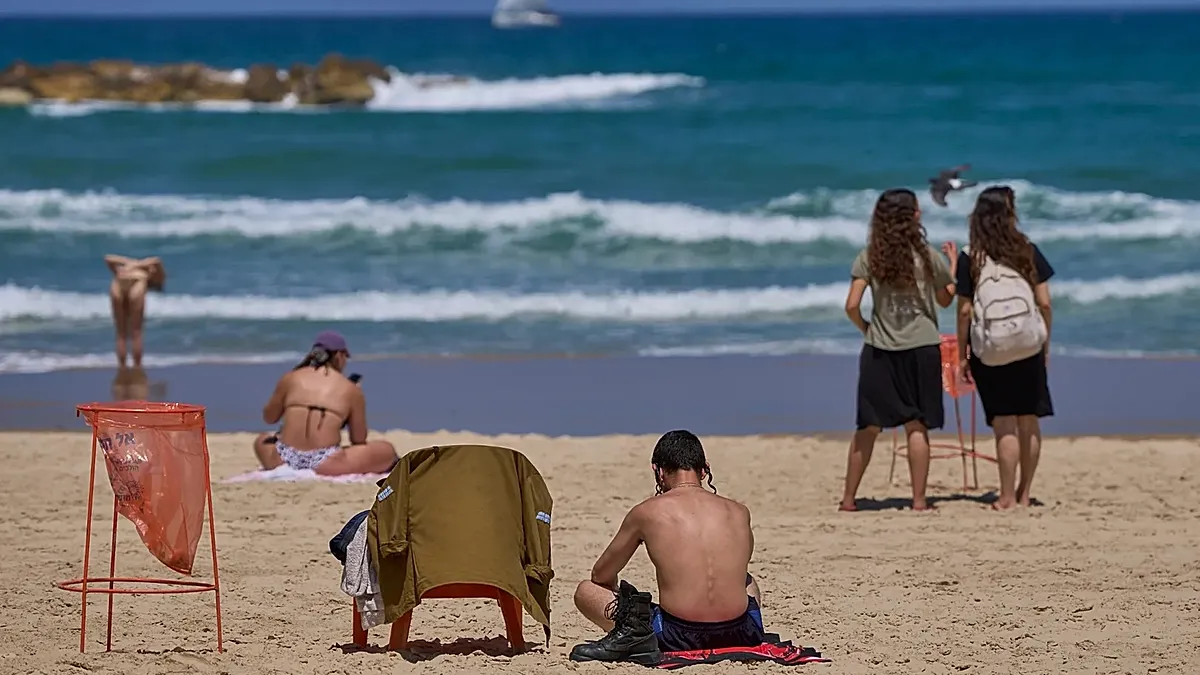
Flesh eating bacteria threat spreads on Europe – As the first days of summer arrive, millions of tourists are setting their sights on coastal destinations, eager to soak up the sun and enjoy the ocean. However, this year, a growing concern is casting a long shadow over the seasonal influx of visitors. The spread of a dangerous bacterial strain has already led to the closure of several beaches in Spain, raising alarms about the safety of Europe’s seaside resorts. Scientists warn that this issue is not isolated but part of a broader ecological shift linked to rising global temperatures, which are altering the conditions of marine environments.
The Vibrio bacterium, often referred to as the “flesh-eating bacteria,” is gaining prominence as a health risk. This aquatic microorganism thrives in both marine and brackish waters, particularly in areas where freshwater meets the sea. Recent studies by the European Food Safety Authority (EFSA) indicate that Vibrio species are increasingly prevalent in seafood, posing a threat to those who consume raw shellfish or come into contact with contaminated seawater. While some strains cause mild gastrointestinal issues, others can lead to severe infections, including necrotising fasciitis and sepsis, which may require amputation in extreme cases.
“The Mediterranean is not merely a victim of climate change—it serves as a harbinger of its broader effects,” says Hatim Aznague, an analyst at the Union for the Mediterranean. “It is one of the fastest-warming seas on the planet, and its waters are becoming a breeding ground for these pathogens.”
Aznague highlights that the combination of warmer ocean temperatures, pollution, and changes in salinity are creating ideal conditions for Vibrio to flourish. For instance, in regions where rivers discharge into the sea, the reduced salt content in coastal waters enhances the bacteria’s growth. This phenomenon is especially pronounced in the Mediterranean, which has experienced record-breaking heatwaves and is now seeing a surge in Vibrio-related health alerts. The European Centre for Disease Prevention and Control (ECDC) has echoed these concerns, issuing warnings about the heightened risk of infections during the summer months, particularly in shallow coastal areas.
While the immediate health risks are significant, the economic repercussions are equally profound. Beach closures and health advisories during peak season directly impact tourism, a cornerstone of many European economies. Aznague emphasizes that the shoreline is not just a recreational space but the lifeblood of coastal communities. “A closed beach is a climate impact that comes with a bill attached,” he states, noting the financial strain on hotels, restaurants, and local businesses reliant on seasonal visitors. The Mediterranean, Europe’s most visited tourist region, is particularly vulnerable due to its heavy dependence on tourism and the accelerated warming of its waters.
“Vibrio is a close relative of the cholera-causing bacterium, but it leads to very different outcomes,” explains Gavi, a health organization specializing in infectious diseases. “In severe cases, the infection can rapidly destroy tissue, and patients may require emergency medical interventions.”
Experts have also raised concerns about the ecological balance being disrupted by these bacteria. The natural equilibrium of marine ecosystems is being thrown off by climate change, which has led to warmer waters and altered salinity levels. These conditions, compounded by human activity, are creating an environment where Vibrio can thrive. The European Food Safety Authority (EFSA) reports that the prevalence of Vibrio in seafood is expected to rise globally, with Europe facing a disproportionate impact due to its coastal geography and warming trends.
Heatwaves, such as the one anticipated in Europe this June, are exacerbating the situation. During these periods, water temperatures spike, further encouraging the proliferation of Vibrio. The ECDC warns that such events will likely become more frequent, increasing the likelihood of widespread infections. For example, shallow coastal waters—often popular with swimmers and divers—are now more prone to contamination, as the bacteria multiply in warmer, nutrient-rich conditions.
The spread of Vibrio is not only a health crisis but also a warning sign for the planet’s changing environment. Scientists stress that the Mediterranean’s rapid warming is a microcosm of what’s happening in other parts of the world. “The countries bordering this sea have a unique opportunity to address the problem collectively,” Aznague adds. “If they fail to act, the consequences will be felt far beyond their shores.”
As the season progresses, the challenge will be to mitigate the impact of these bacteria while maintaining the appeal of Europe’s beaches. Authorities are working to implement stricter monitoring protocols and public health campaigns to educate visitors about the risks. However, the fight against Vibrio is also a battle against the underlying causes of climate change. “We must protect our coasts from both pollution and rising temperatures,” Aznague concludes. “Otherwise, the economic and health toll will continue to grow.”
The urgency of this issue is underscored by the fact that Vibrio infections are becoming more common in regions where the sea is warming faster than average. With the planet’s average temperature on an upward trajectory, the threat of these bacteria is set to expand, affecting not only Europe but also other coastal areas worldwide. The question now is whether Europe can adapt its policies and infrastructure to safeguard its beaches—and by extension, its economy—from this emerging health and environmental crisis.
In the meantime, tourists are advised to stay vigilant. Simple precautions, such as avoiding raw seafood and keeping wounds covered while swimming, can reduce the risk of infection. Yet, the broader challenge remains: how to balance the demands of tourism with the need to protect marine ecosystems. As Aznague points out, the Mediterranean’s struggles are a preview of what other regions might face. “This is not just a local problem,” he says. “It’s a global one, and the time to act is now.”
The situation has sparked discussions about the need for international cooperation to address the root causes of the problem. Governments and environmental organizations are calling for measures to reduce pollution, enhance water monitoring systems, and invest in sustainable tourism practices. For now, the beaches of Europe remain a symbol of both beauty and vulnerability, as the world grapples with the unintended consequences of a warming climate.