Exclusive: US Naval Blockade Chokes Iran’s Economy
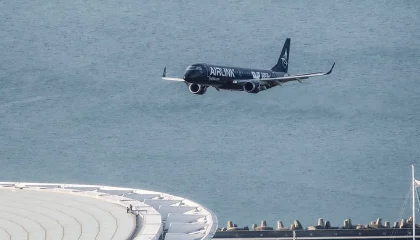
Usagevpn.com – In this exclusive report, Euronews Farsi documents how a maritime siege along Iran’s southern coast has crippled the daily lives of millions. With official inflation nearing 70 percent and point-to-point food price surges reaching a record 128 percent, households across the Islamic Republic are bearing the full weight of a commercial strangulation that has severed more than 80 percent of heavy imports and non-oil export flows. Nearly six months have elapsed since armed hostilities broke out between the United States, Israel, and Iran, and the reinstated American naval cordon has driven non-oil trade volumes down by roughly 40 percent against pre-conflict baselines.
The blockade was paused for one month under the Islamabad Memorandum, but enforcement operations resumed in mid-July. Since that restart, staple food prices have climbed to levels unseen in recent Iranian history, compounding an economy already on the brink.
Shipping Networks Collapse Under the Siege
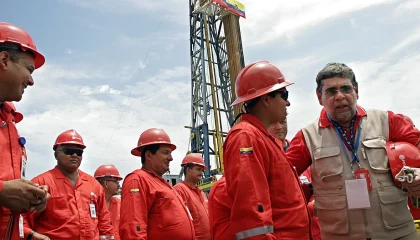
Logistics hubs anchored to southern ports such as Bandar Abbas have been devastated. Gisoo, a 45-year-old international shipping specialist in Tehran who manages container movements directly, laid out the scale of disruption in an exclusive interview with Euronews Farsi.
“Since the war began, maybe one out of ten cargo ships leaving China actually reaches Iran,” Gisoo said. “Containers that used to take 35 days now sit stuck in Hong Kong, Karachi, or Jebel Ali for months. UAE ports are no longer allowing Iranian dhows to dock.”
Maritime freight rates have nearly tripled, climbing from approximately $3,000 to close to $10,000 per container. Overland transport from China now commands a minimum of $16,000 per shipment. Operators attempting to reroute cargo through Mersin, Turkey, have hit severe bottlenecks, with goods stranded for weeks while storage charges compound. Land corridors additionally demand multiple unload-and-reload cycles, frequently damaging temperature-sensitive or fragile merchandise. Because Gisoo’s compensation is tied to commissions per completed delivery, her income has collapsed alongside the trade flows she once managed.
Overland Routes Strain to Breaking Point
With Bandar Abbas operations reduced from thousands of daily truckloads to a thin trickle, drivers have been pushed toward poorly equipped land crossings such as Rimdan on the Pakistan border. Aras, a 60-year-old long-haul trucker from Kermanshah, characterized the Rimdan checkpoint as essentially ungoverned in this exclusive account from the border region.
“Bandar Abbas is dead. Cargo from Pakistan now enters through Rimdan, but that border lacks basic infrastructure — no facilities, no dust control, just extreme heat,” Aras told Euronews Farsi. “Fetching a load from Rimdan to Tehran pays around 250 million tomans (€1,086), but few drivers are willing to go.”
Vehicle operating costs have exploded under the blockade’s pressure. A pair of heavy truck tyres that cost 35 million tomans (€152) before the conflict now sells for 250 million tomans (€1,086). Routine oil changes have jumped from 6 million to 21 million tomans (€26 to €91), while servicing newer truck models can run as high as 70 million tomans (€304) per visit. Critical spare parts for modern trucks have all but vanished from the market, meaning a single breakdown can ground a vehicle indefinitely. Aras warned that if the blockade endures for another two months, widespread domestic shortages become unavoidable, and that should economic pressure push families toward starvation, mass public protests could ultimately shatter the existing political equilibrium.
Household Austerity Becomes the Norm
The blockade’s downstream effects have gutted consumer purchasing power, inflating the cost of basic groceries and essential medical supplies. Mansour, a 40-year-old auto technician and father of two living in Tehran, noted that foot traffic in neighbourhood grocery stores has visibly thinned. Families are stripping every non-essential expense to survive, he observed. His own household has abandoned meat, chicken, and rice in meaningful quantities, substituting bread-based meals instead.
At his repair shop, the price of basic motor oil climbed from 1.8 million to 2.8 million tomans (€12), and customer visits have nearly dried up over the past fortnight. Mansour anticipated that the blockade would eventually trigger renewed street protests, though he expected a heavy security apparatus response to follow.
Political Undercurrents
Gisoo expressed scepticism about the prospect of sudden systemic change, noting that fear rooted in previous crackdowns keeps most citizens from joining any collective action. She described a population exhausted by six months of compounding shocks, watching from the sidelines as supply chains fray and prices compound week after week.
Frequently Asked Questions
How long has the US naval blockade been in effect? Armed hostilities began roughly six months before this exclusive reporting. The blockade was suspended for one month under the Islamabad Memorandum, then resumed in mid-July.
What percentage of Iran’s trade is affected? More than 80 percent of heavy imports and non-oil export flows have been strangled. Non-oil trade volumes have fallen by roughly 40 percent compared with pre-conflict baselines.
How have shipping costs changed? Maritime freight rates have nearly tripled, from approximately $3,000 to close to $10,000 per container. Overland transport from China now starts at $16,000 per shipment.
What are households doing to cope? Families are cutting non-essential spending entirely. Many have abandoned meat, chicken, and rice in favour of bread-based meals, while grocery foot traffic has visibly declined in Tehran neighbourhoods.