Azerbaijan Says Christian Heritage Is Part of Its National History
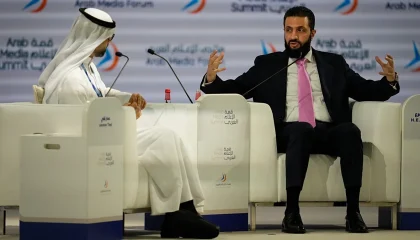
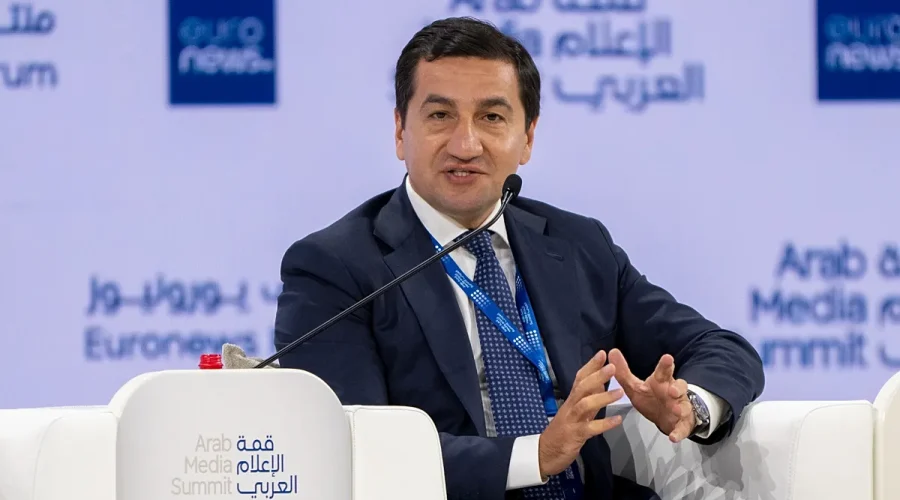
Usagevpn.com – Azerbaijan insists it will preserve Christian heritage on its sovereign territory, describing churches and other historic religious sites as part of the country’s cultural inheritance. The position was set out by presidential aide Hikmet Hajiyev during a panel discussion at the Arab Media Summit in Dubai.
Hajiyev linked the issue of heritage preservation to the wider effort to establish lasting peace between Azerbaijan and Armenia. He said progress after years of conflict remains difficult because military outcomes do not automatically overcome political mistrust, public grievances and competing historical narratives.
Peace Remains an Uphill Struggle
According to Hajiyev, groups favouring renewed confrontation still exert influence within parts of Armenian society and the diaspora. He said political leaders have a responsibility to prepare the public for the compromises required to achieve peace.
“Probably Armenian government and Armenian leadership should work to prepare their people for the peace as well.”
He described the current phase as a challenging attempt to turn the end of war into a sustainable settlement.
“Now we won the war, but we are also winning in peace which is an uphill struggle.”
Hajiyev also referred to damage inflicted on Azerbaijani Islamic heritage during the period when Karabakh and Eastern Zangezur were outside Baku’s control. He said mosques and other religious sites had suffered extensive destruction, including what he described as the use of mosques to keep pigs.
“Throughout the years of occupation in Karabakh and Eastern Zangezur, our mosques, our Islamic cultural heritage were a subject of complete destruction by Armenia — even the pigs were put inside of the mosques.”
He said Azerbaijan’s view of those losses should not be interpreted as a call for retaliation. Instead, he argued that the country must remember what happened while avoiding revenge.
Christian Sites and Cultural Responsibility
Azerbaijan insists it will preserve Christian heritage regardless of debates over the ethnic or religious identity associated with particular monuments. Hajiyev said the preservation of such sites is a national responsibility because they form part of Azerbaijan’s own cultural record.
“Preserving the Christian heritage on the sovereign territory of Azerbaijan, regardless of their belonging, and that is a full stop because it’s our cultural heritage.”
He portrayed Azerbaijan as a country shaped by several faith traditions, saying Islam, Christianity and Judaism are represented through mosques, churches and synagogues. He also referred to the country’s historical connections to Zoroastrianism, Christianity and Islam.
Hajiyev noted that Christianity was adopted as an official religion by the ancient Caucasian Kingdom of Albania in the fourth century. Caucasian Albania covered areas that now include Azerbaijan and parts of southern Dagestan, and was unrelated to the modern Balkan state of Albania.
The remarks come amid continuing disagreement over churches and historic monuments in Karabakh. Armenian church authorities have accused Azerbaijan of demolishing churches in the region, while Baku has rejected those allegations. Azerbaijan insists it will preserve Christian heritage as the dispute over religious monuments remains sensitive in the wider peace process.
FAQ: Christian Heritage in Azerbaijan
What has Azerbaijan said about Christian heritage?
Azerbaijan insists it will preserve Christian heritage within its internationally recognised territory and considers it part of the country’s cultural history.
Why is the issue politically sensitive?
Churches and other historic sites in Karabakh are tied to competing historical claims and remain a point of disagreement between Azerbaijani authorities and Armenian church representatives.
How does this relate to peace talks?
Hajiyev argued that protecting heritage and addressing historical grievances are part of the broader challenge of building trust and securing a lasting peace between Azerbaijan and Armenia.