Discovering the Architectural Wonders of Spijkenisse: Where Every Euro Banknote Bridge Comes to Life
Usagevpn.com – The digital world has been buzzing with excitement following the recent announcement of the new eurozone banknote design. Social media platforms have become a virtual town square where enthusiasts and casual observers alike are sharing their thoughts on this monetary milestone. The debate has been particularly passionate, with netizens fiercely arguing over which of the ten finalist designs deserves to represent European currency for generations to come. This renewed interest has naturally brought the original banknote designs back into the public consciousness, prompting many to take a closer look at the currency they handle daily.
A Closer Look at Euro Banknote Design Philosophy
While most people have undoubtedly encountered euro notes during their everyday transactions, few have actually paused to examine their intricate details. Unlike euro coins, which feature unique designs on their reverse side depending on the country of origin, euro banknotes maintain complete uniformity throughout the entire European Union. This consistency serves as a powerful visual symbol of European unity and shared identity.
Each banknote features a distinctive window or doorway on its obverse side, representing what the European Central Bank describes as “the European spirit of openness and cooperation.” The reverse side showcases bridges, which according to the ECB, “symbolise communication between the people of Europe and between Europe and the rest of the world.” These architectural elements were intentionally chosen to represent various historical periods rather than specific real-world structures.
The Architectural Journey Through Time
The original euro banknotes were designed to showcase architectural styles from different eras of European history. For instance, the ten-euro note features Romanesque architecture, while other denominations represent Gothic, Renaissance, Baroque, and other significant periods. This approach was meant to celebrate the continent’s rich architectural heritage without being tied to any particular monument or location.
However, this conceptual approach took an unexpected turn when a small Dutch town decided to transform these abstract designs into tangible reality. Spijkenisse, located in the Netherlands, became the unlikely setting for one of Europe’s most ambitious architectural projects.
Spijkenisse: A Town Transformed by Euro Banknote Dreams
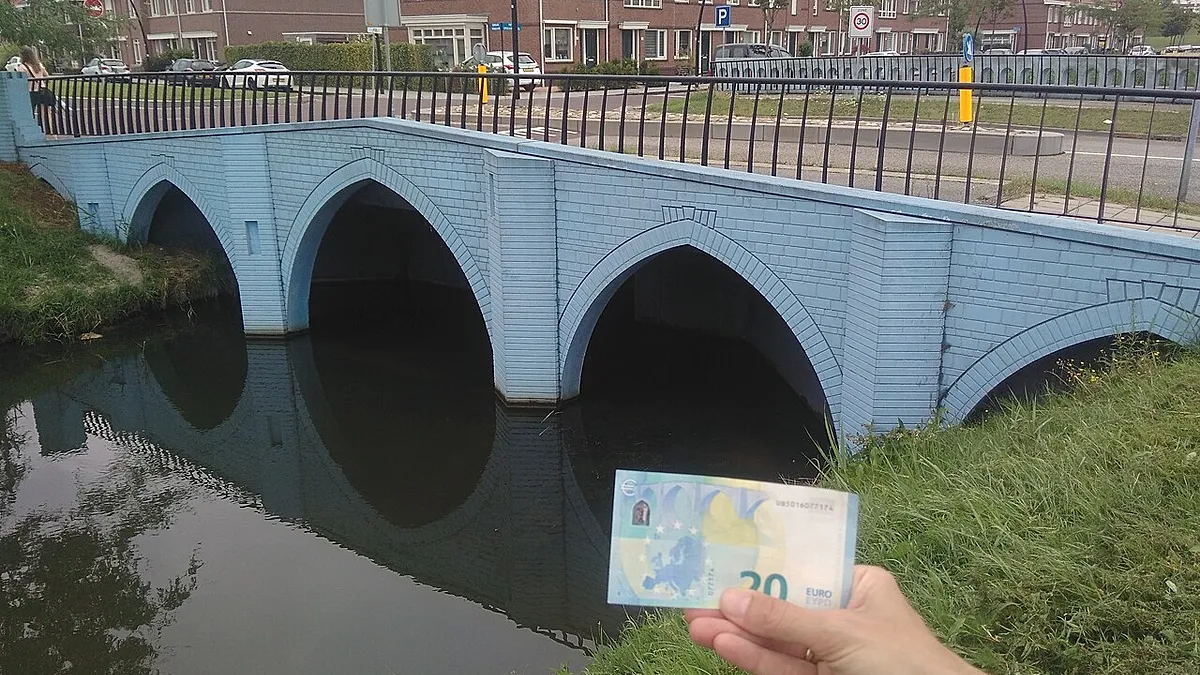
The vision to create actual bridges matching the euro banknote designs originated with Dutch designer Robin Stam in 2011. Working collaboratively with the local council, Stam developed a comprehensive plan to bring these architectural fantasies to life within a new housing development. As reported by Dezeen, this ambitious project required careful coordination between designers, architects, and municipal authorities.
The result was seven magnificent bridges, each representing a different euro banknote denomination. These structures opened to the public gradually between 2011 and 2013, creating a unique outdoor gallery that visitors can explore on foot. The bridges are positioned within walking distance of one another, making it easy for tourists and locals alike to experience this architectural journey.
Planning Your Visit to Spijkenisse
Reaching Spijkenisse is straightforward for visitors. The town is conveniently accessible via the Rotterdam metro system, specifically through the C and D lines. This excellent transportation connection makes it simple for travelers to include this architectural gem in their European itinerary.
The project represents more than just a creative interpretation of banknote designs. It demonstrates how art, architecture, and everyday currency can intersect to create something truly special. The bridges serve as both functional infrastructure and artistic installations, reminding passersby of the cultural significance embedded in the money they use every day.
For those interested in European design, history, and architecture, Spijkenisse offers a unique opportunity to see the euro banknote designs come alive in three dimensions. Whether you’re a currency enthusiast, an architecture lover, or simply someone looking for a distinctive travel destination, these seven bridges provide an unforgettable experience that connects the abstract world of banknote design with the tangible beauty of real-world architecture.
Related Reading
Frequently Asked Questions
What is You can visit every bridge?
You can visit every bridge is the main topic of this guide. The article explains the context, practical details, and next steps readers should understand.
Why does You can visit every bridge matter?
You can visit every bridge matters because readers are looking for a useful answer, not just a short summary. Good content should match search intent and help them decide what to do next.