Seaplanes: Greece-Albania Link Takes Off, with More International Routes Planned
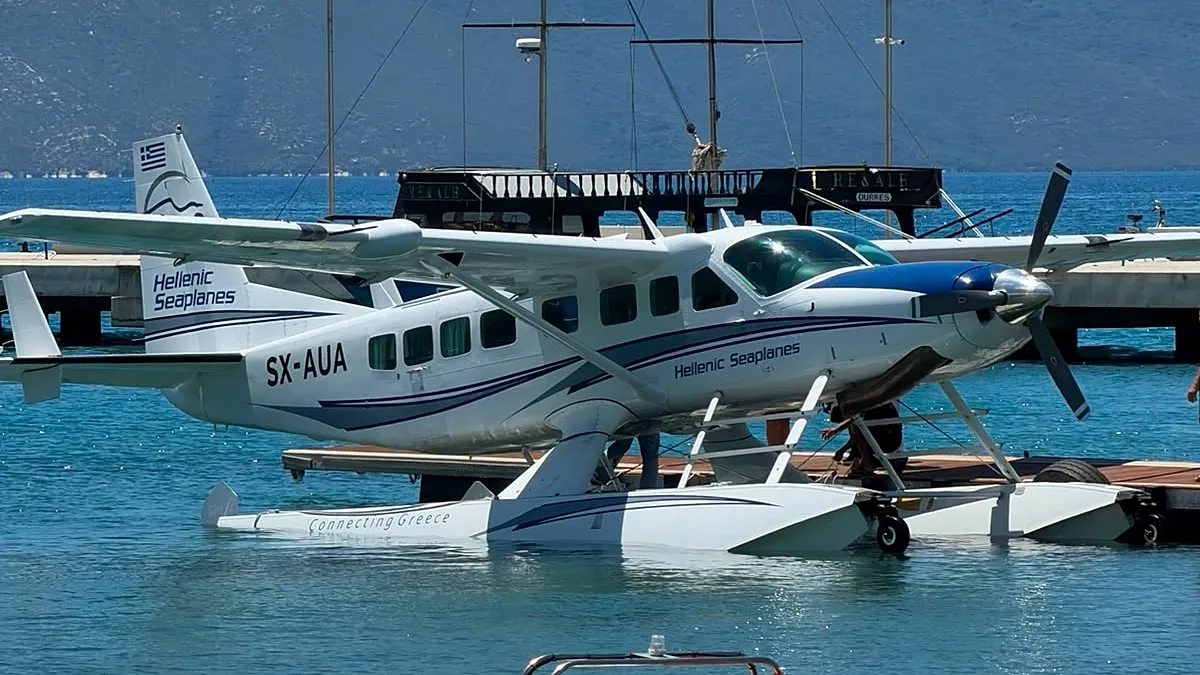
Seaplanes – On June 16, 2026, the first seaplane flight connecting Greece and Albania officially commenced, operating between Ioannina and Vlorë. This groundbreaking service represents a significant leap in regional connectivity, leveraging the Mediterranean’s natural waterways to link two southeast European nations. The initiative, spearheaded by Hellenic Seaplanes, is not only a first for the region but also a symbol of evolving transportation infrastructure in coastal and island territories.
Breaking New Ground in Maritime Air Travel
Known as the Hellenic Seaplanes mission, this air route marks the debut of a seaplane-based connection between two Mediterranean countries. It is hailed as a milestone in the development of maritime air services, particularly in the Ionian and Adriatic regions. Unlike traditional air routes, this service utilizes water as a launchpad, offering a unique alternative to road and sea travel. The flight’s success underscores the potential of seaplanes to bridge geographical challenges and enhance mobility in coastal areas.
The partnership between Greece and Albania was formalized after the Albanian authorities extended an official invitation to Hellenic Seaplanes. This collaboration is part of a broader strategy to strengthen cross-border transport corridors and improve infrastructure. By connecting Ioannina, a city in northwestern Greece, to Vlorë, Albania’s western port, the route serves as a practical example of how seaplane networks can integrate with existing transportation systems to create seamless travel options.
Environmental and Economic Impacts
Seaplanes are increasingly viewed as a sustainable solution for regional transport, particularly in areas where land-based infrastructure is limited or costly to develop. The Greece-Albania route exemplifies this, as it reduces reliance on road networks and minimizes the carbon footprint associated with traditional air travel. Experts note that such services can also stimulate local economies by improving access to tourist sites and fostering trade between coastal communities.
For Albania, the seaplane link offers a way to diversify its transportation offerings and tap into Greece’s established expertise in maritime aviation. The country has been working to modernize its seaplane infrastructure, and this partnership provides a platform to test and expand its capabilities. Meanwhile, Greece aims to solidify its role as a regional hub for seaplane operations, building on its existing network of licensed water aerodromes. The company’s vision includes creating a transport system that uses the sea as a natural infrastructure, rather than relying solely on land-based airports.
According to Hellenic Seaplanes’ strategic plans, the Ioannina-Vlorë route is just the beginning. The company has outlined ambitious goals to extend its services across the Adriatic, Ionian, and Eastern Mediterranean regions, with potential routes to North African countries also on the horizon. This expansion is expected to create a more interconnected transport network, enhancing both tourism and economic ties between neighboring nations.
“This connection is a testament to our commitment to innovation and sustainable travel,” said a spokesperson for Hellenic Seaplanes. “By utilizing the sea, we’re not only reducing environmental impact but also opening new possibilities for regional cooperation.”
Regional Synergies and Future Prospects
The Greece-Albania seaplane route is part of a larger initiative to foster collaboration between southeast European countries. It aligns with efforts to develop seaplane infrastructure as a complement to traditional air and sea routes, addressing the need for efficient, eco-friendly transportation in coastal regions. Analysts suggest that such services could become vital for connecting remote islands and tourist hotspots that are otherwise difficult to access by road or conventional air travel.
With flights to Vlorë and Pogradec already in operation, Hellenic Seaplanes is setting a precedent for international seaplane expansion. The company plans to build on this success by creating a cohesive network that spans multiple regions, including the Adriatic, Ionian, and Eastern Mediterranean. This network would allow travelers to move between countries with minimal disruption, as seaplanes can land on open water and avoid the congestion of land-based airports.
The initiative also highlights the importance of tourism in driving regional development. Greece’s reputation as a tourist destination is bolstered by its extensive maritime infrastructure, and the new seaplane routes aim to complement this by connecting Greek islands with neighboring countries. Albania, with its rich cultural heritage and natural attractions, stands to benefit similarly from improved access to its coastal cities and tourist sites.
As the company moves forward, it is expected to face challenges such as regulatory coordination, weather conditions, and the need for additional water aerodromes in Albania. However, the success of the initial route suggests that these hurdles can be overcome. With the broader network in development, the potential for seaplane travel to become a mainstream option in the Mediterranean is growing. This shift could redefine how people and goods move between coastal regions, creating a more fluid and interconnected transportation landscape.
Looking ahead, the expansion of seaplane services is likely to influence not only travel patterns but also economic cooperation. By establishing reliable routes, countries can facilitate the movement of goods, people, and ideas, fostering stronger ties between the Balkans and the broader Mediterranean region. The Ioannina-Vlorë connection serves as a blueprint for future projects, proving that maritime air travel can play a pivotal role in regional connectivity and sustainable development.
In conclusion, the launch of this seaplane service marks a turning point in the way Mediterranean nations approach transportation. It combines the advantages of air travel with the flexibility of water-based routes, offering a viable alternative to traditional methods. As Hellenic Seaplanes continues to expand its operations, the potential for a more integrated and efficient transport system becomes increasingly tangible, paving the way for a new era of mobility and cooperation in the region.