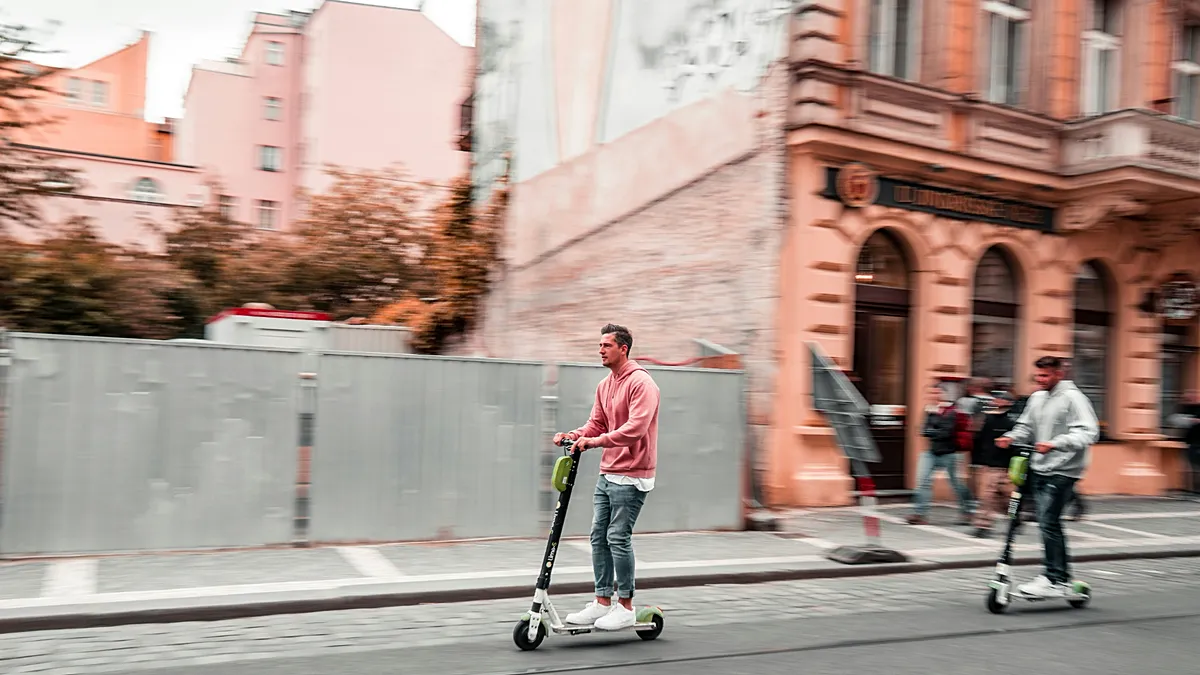
Brussels Joins Growing List of European Cities Banning Shared E-Scooters Over Safety Concerns
Brussels joins growing list of European – The capital of Belgium is implementing a ban on shared electric scooters, marking a significant shift in urban mobility policies. Following years of complaints about reckless behavior, street clutter, and allegations of ties to organized crime, the Brussels-Capital Region has decided to phase out rental e-scooters by January 2027. This move places Brussels among a rising number of European cities rethinking their reliance on the once-popular mode of transport. The decision comes as a response to mounting evidence of the vehicles’ risks to public safety and their impact on urban infrastructure.
Escalating Safety Risks and Public Backlash
According to regional data, the number of injuries linked to e-scooter accidents surged in 2025, with 666 individuals reporting harm—representing a 26% increase compared to 2024. These figures have fueled concerns among local officials and residents about the long-term consequences of allowing e-scooters to proliferate. While the city’s government has not issued a formal statement detailing the exact causes of the spike, experts point to the inherent design flaws of the vehicles. E-scooters, with their higher speeds and lighter frames, are said to cause more severe injuries, particularly to the head and face, when accidents occur. This has raised alarms about the adequacy of current safety measures and the need for stricter regulations.
“The Brussels Times reports that some 666 people were injured in accidents in 2025 alone, according to regional figures.”
Additionally, the issue of improper parking has become a growing problem. Scooters frequently end up blocking sidewalks, creating hazards for pedestrians, especially those with reduced mobility or elderly individuals. The city’s transport authority has emphasized that these obstacles not only impede traffic flow but also compromise accessibility for vulnerable groups. Critics argue that the lack of dedicated lanes and parking infrastructure has contributed to the chaotic use of e-scooters in Brussels, turning them from a convenient solution into a source of frustration.
Organized Crime and Urban Security
Another compelling reason for the ban is the role e-scooters have played in criminal activities. The Brussels government revealed that the vehicles have been exploited by drug traffickers and organized crime groups, with 25 shootings reported in 2025 alone. While these incidents are not directly attributed to e-scooters, officials suggest that their mobility and discreet nature make them ideal for covert operations. This has prompted debates about whether the benefits of e-scooters outweigh their potential to undermine public safety. The decision to revoke the licenses of Bolt and Dott, the two remaining operators, by the end of 2026 signals a clear intent to eliminate these risks.
“The Brussels government also revealed that the scooters have been used by drug traffickers and organised crime groups, and that they were used in 25 shootings in 2025.”
Brussels is not alone in its concerns. Cities like Madrid, Paris, and Prague have already taken similar steps, removing shared e-scooters from their streets in recent years. This trend reflects a broader reassessment of the risks associated with the technology. While some cities have opted for temporary restrictions, others have chosen to ban the vehicles entirely. The Brussels-Capital Region’s move is part of this growing movement, underscoring the urgency of addressing safety and security issues.
Transition to Bikes: A New Mobility Strategy
In response to the e-scooter ban, Brussels is set to bolster its existing bike-sharing programs and introduce e-bikes as an alternative. The city’s plan includes expanding the number of docking stations and increasing the availability of bicycles, aiming to provide a more sustainable and safer mode of transportation. Officials hope this transition will reduce traffic congestion and lower the incidence of accidents, while also encouraging eco-friendly commuting habits. However, the shift has sparked discussions about the feasibility of replacing e-scooters entirely and the potential challenges of scaling up the bike infrastructure.
Proponents of the ban argue that e-scooters have outgrown their utility and now pose a greater threat than benefit. They highlight the convenience of these vehicles, which allow for quick, short-distance travel without the need for a car. Yet, the growing number of injuries and the link to criminal activities have convinced policymakers that a more controlled approach is necessary. The decision to phase out shared e-scooters also reflects a desire to streamline urban mobility by focusing on more predictable and manageable modes of transport.
The Future of Urban Mobility in Brussels
As Brussels prepares to transition from e-scooters to bicycles, the city is investing in safer infrastructure, such as wider bike lanes and improved signage. This strategy aligns with broader European efforts to prioritize pedestrian-friendly environments and reduce reliance on motorized transport. However, the ban has also raised questions about the role of private operators in shaping urban landscapes. Critics suggest that without strong oversight, companies may continue to prioritize profit over public safety, leading to further complications.
The impact of the ban on daily commuters is yet to be fully understood. While some residents may adapt quickly to the new system, others could face challenges in finding alternative transportation. The city’s transport authority has announced plans to monitor the situation closely and adjust policies as needed. In the meantime, the focus remains on ensuring that the remaining mobility options are both accessible and safe for all users. The Brussels-Capital Region’s decision is a bold step in redefining how people move through the city, setting a precedent for others facing similar dilemmas.
Looking ahead, the success of Brussels’ strategy will depend on its ability to balance innovation with caution. As e-scooters continue to evolve, new models with enhanced safety features may emerge, but the current crisis has shown that rapid adoption can outpace regulatory frameworks. The city’s actions serve as a reminder of the importance of proactive planning in urban transportation, ensuring that technological advancements serve the public good rather than create new risks. With the ban in effect by 2027, Brussels is positioning itself as a leader in the quest for safer, more inclusive mobility solutions across Europe.