Germany’s Black Forest Emerges as Premier Coolcation Destination Amid Climate Shift
Usagevpn.com – Travel patterns across Germany are undergoing a significant transformation as domestic and international visitors increasingly seek out diverse regions beyond traditional hotspots. The journey from the Baltic coastline to the Alpine foothills has become a defining characteristic of modern German tourism, with travelers eager to explore every corner of the country. Official statistics reveal that accommodation facilities—including hotels, guesthouses, and camping sites—welcomed a staggering 223.8 million overnight stays during the opening half of 2026, establishing a fresh national record. This figure excludes the rapidly expanding segment of holiday apartment bookings made through digital platforms, which continues to grow at an impressive pace.
Online reservation systems have become the preferred method for securing vacation accommodations, with German travelers leading the charge. International visitors from the Netherlands, Poland, and the United States follow closely behind in this digital booking revolution. However, regional preferences reveal fascinating geographic patterns that tell a deeper story about changing travel motivations.
The Coolcation Phenomenon Takes Root
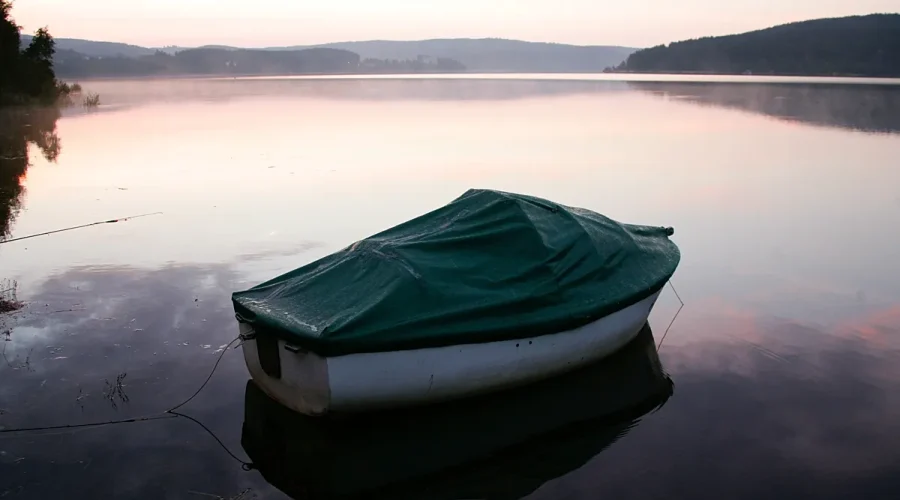
The Black Forest region has captured particular attention from Mediterranean travelers seeking relief from intensifying summer heat. While the internationally renowned Black Forest cake undoubtedly contributes to the area’s appeal, the primary driver behind this surge in visitors is the quest for cooler temperatures. Elevated landscapes featuring the 1,493-meter Feldberg peak and the picturesque Titisee lake position the Black Forest alongside Scandinavian and Scottish destinations as a premier coolcation location. This concept—combining “cool” with “vacation”—has gained substantial traction as climate concerns reshape how people plan their summer holidays.
Remarkably, the intense heatwaves that swept through south-west Germany during the summer of 2026, mirroring conditions in neighboring France, have not diminished the region’s coolcation reputation. Travelers appear willing to embrace the challenge, viewing the Black Forest’s elevation and forest canopy as natural air conditioning systems that provide relief even during unusually warm periods.
Mediterranean Visitors Drive Growth
Data from Schwarzwald Tourismus GmbH highlights particularly dramatic increases in Spanish visitors to the Black Forest, with numbers climbing 64 percent since 2015. Last year alone, the region hosted 199,000 overnight stays by Spanish guests, making them the largest international contingent. Italian travelers represent the second major group, contributing 194,000 overnight stays to the region’s total.
This Mediterranean influx reflects broader European travel dynamics. As southern European countries experience increasingly severe summer temperatures, travelers from Spain and Italy are turning northward for more comfortable holiday conditions. The Black Forest offers an accessible destination within reasonable driving distance, providing an alternative to longer flights to northern European countries.
Fairy-Tale Heritage Adds Cultural Dimension
Beyond climate considerations, the Black Forest’s cultural heritage continues to attract visitors seeking immersive experiences. The legendary Grimm brothers, Jacob and Wilhelm, spent their formative years in the nineteenth century not far from this forested region. Their extensive collection of German folk tales has created an enduring connection between the landscape and storytelling traditions.
The atmospheric quality of the Black Forest brings tales like “Hansel and Gretel” and “Little Red Riding Hood” to life in ways that transcend seasonal tourism. While Halloween draws crowds eager to experience the slightly eerie ambiance, summer visitors can wander through mystical forest corners and imagine themselves stepping into these beloved narratives. This cultural layer adds depth to the coolcation appeal, offering travelers both climatic comfort and historical enrichment.
Implications for Regional Tourism
The convergence of climate-driven tourism and cultural heritage presents both opportunities and challenges for the Black Forest region. Infrastructure must adapt to accommodate growing visitor numbers while preserving the natural and cultural assets that make the destination special. The success of the coolcation model suggests that regions with elevated terrain and dense forest cover may see sustained growth as Mediterranean temperatures continue to rise.
Local businesses, accommodation providers, and tourism organizations are positioning themselves to capitalize on this trend. The combination of digital booking platforms, targeted marketing to Mediterranean markets, and promotion of the region’s fairy-tale connections creates a comprehensive strategy for continued growth. As climate patterns evolve, the Black Forest’s position as a premier coolcation destination appears well-established for years to come.
Related Reading
Frequently Asked Questions
What is Black Forest coolcation?
Black Forest coolcation is the main topic of this guide. The article explains the context, practical details, and next steps readers should understand.
Why does Black Forest coolcation matter?
Black Forest coolcation matters because readers are looking for a useful answer, not just a short summary. Good content should match search intent and help them decide what to do next.