
Supreme Court briefly extends telehealth and mail access for mifepristone as deliberations continue
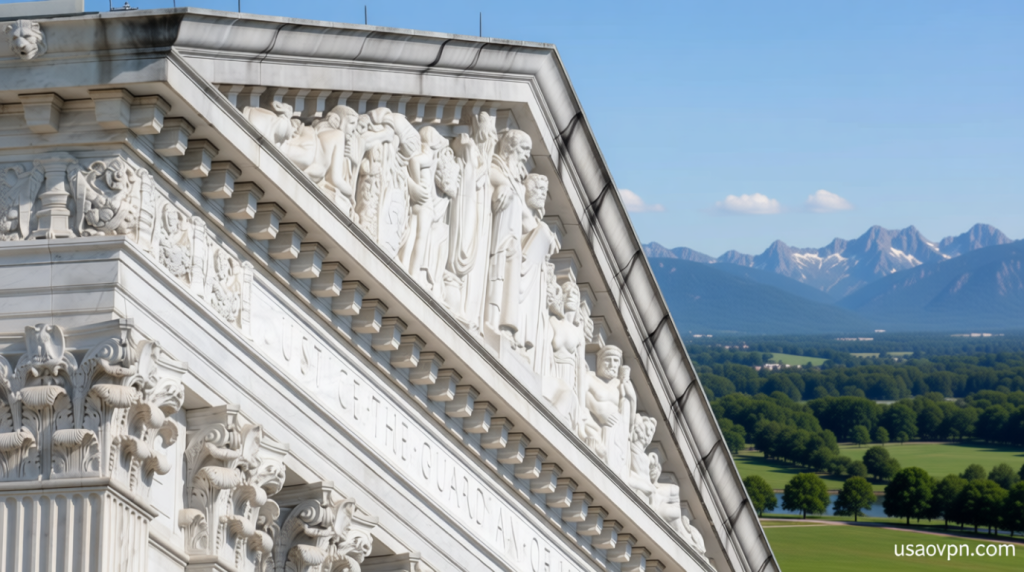
Supreme Court Briefly Extends Telehealth Access for Mifepristone Amid Legal Dispute
Supreme Court briefly extends telehealth and mail – The Supreme Court has temporarily extended telehealth access for mifepristone, the abortion pill, as justices deliberate over a pivotal legal challenge. The ruling, issued on Monday, paused a May 1 decision by the 5th US Circuit Court of Appeals that would have required in-person visits for the drug. This extension, set to last until Thursday at 5 p.m. ET, allows patients to continue using remote consultations and mail-based services, at least for now. The move comes after Justice Samuel Alito’s earlier order, which allowed widespread use of mifepristone via telehealth, was set to expire. This latest action provides a brief reprieve but does not resolve the core issue at hand.
Supreme Court’s Administrative Stay and Legal Uncertainty
The extension of the temporary order, referred to as an “administrative” stay, was granted without detailed reasoning, a common tactic in such legal proceedings. The 5th Circuit’s May 1 ruling mandated in-person appointments for mifepristone, creating challenges for women in rural areas. By reinstating telehealth access, the Supreme Court has temporarily eased these logistical burdens. However, the lack of immediate explanation leaves legal experts and patients wondering about the court’s intent and the potential long-term impact on abortion care. The stay ensures continuity but signals that the justices are still assessing the validity of the FDA’s regulations.
The case has become a central battleground in the abortion rights debate, highlighting the Supreme Court’s role in shaping access to reproductive healthcare. Following the overturning of Roe v. Wade in 2022, several states implemented strict abortion bans, which have intensified the need for telehealth options. Mifepristone, often used in conjunction with another medication, has emerged as a critical tool for women seeking safe, accessible care. The Supreme Court’s decision to extend its earlier order underscores the ongoing tension between state restrictions and federal oversight in abortion procedures.
State Lawsuits and FDA Regulation Challenges
Louisiana, a state with aggressive abortion restrictions, played a key role in initiating the legal fight over mifepristone’s telehealth availability. The state argued that the FDA’s policy allowed for too broad an access to the drug, undermining its efforts to limit abortion options. In April, a federal district court partially supported Louisiana’s claim, calling the FDA’s regulation “arbitrary and capricious” due to insufficient data. However, the court allowed the FDA to conduct further review, preventing an immediate reversal of the rule. The Supreme Court’s extension of the stay now keeps the FDA’s policy intact, at least temporarily.
The reversal of the 5th Circuit’s May 1 ruling has caused a ripple effect in the legal system. Medical professionals reported a surge in patient panic and logistical chaos after the initial injunction. With the Supreme Court’s intervention, the uncertainty surrounding mifepristone access has been momentarily alleviated. Yet, the decision does not finalize the drug’s status. Legal experts are closely watching as the justices weigh whether to uphold or overturn the FDA’s regulation, a decision that could redefine abortion access for millions of women across the country.
Pharmaceutical Companies’ Appeals and Judicial Review
Pharmaceutical firms, including Danco Laboratories and GenBioPro, swiftly appealed the 5th Circuit’s ruling, emphasizing the importance of maintaining telehealth access for mifepristone. These companies warned that the initial decision could disrupt patient care, especially in states where abortion bans have been enforced. The Supreme Court’s extension of the stay aligns with their argument, giving time to assess the legal merits of the case. The ruling also reflects the court’s commitment to ensuring stability in medical procedures, even as it navigates the complexities of the abortion rights debate.
As the Supreme Court continues its review, the implications of its decision extend beyond mifepristone. The case has become a test of the court’s willingness to intervene in state-level policies affecting abortion access. With the stay in place, patients can still rely on telehealth and mail services, but the final ruling will determine whether these methods remain a permanent solution or are subject to further restrictions. The outcome of this legal dispute will likely influence future regulations and set a precedent for how the Supreme Court approaches reproductive healthcare in the years to come.