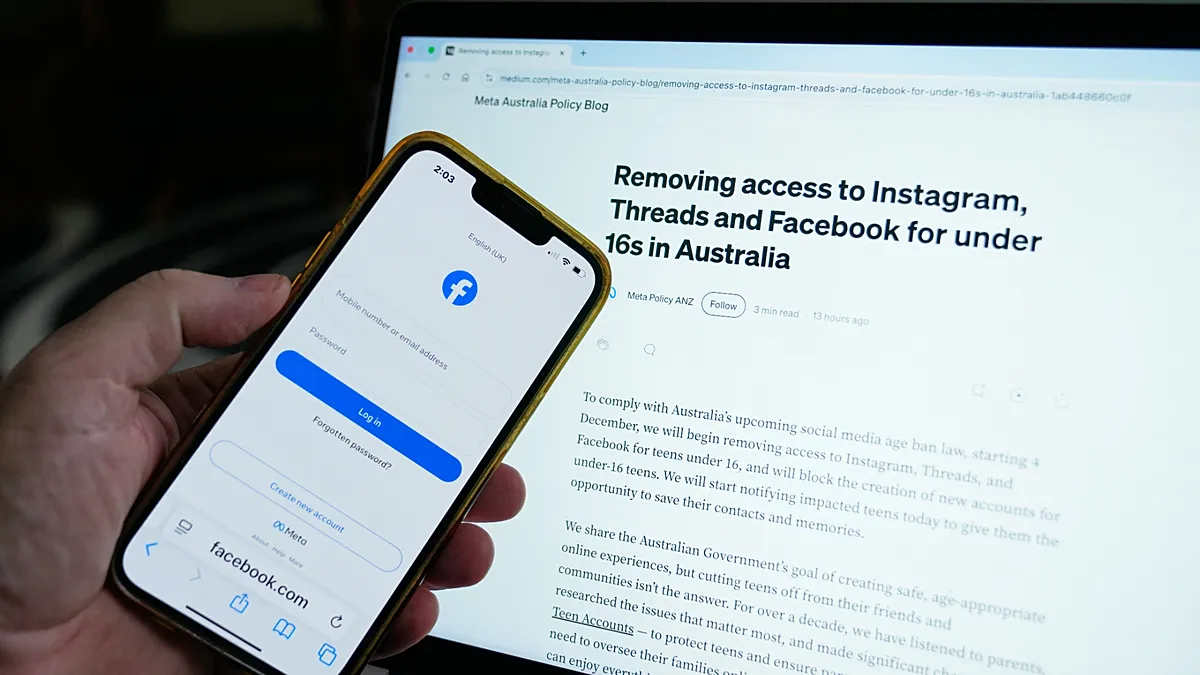
Fines Doubled as Teens Outsmart Australia’s World-First Social Media Ban
Fines doubled as teens outsmart Australia – Australia’s government has announced plans to significantly increase penalties for social media platforms that fail to restrict access for children under 16. The decision follows new data revealing that more than 70% of teenagers remained active on the platforms targeted by the landmark ban three months after its implementation. This figure has prompted officials to reconsider the effectiveness of the initial measures, leading to the proposal of doubling the maximum fine for non-compliance to 99 million Australian dollars (approximately €63 million). The revised penalties are set to apply to major platforms, including Facebook, Instagram, Snapchat, and TikTok, which have struggled to enforce the age restrictions.
Strengthening Enforcement Measures
The proposed legislative update, to be introduced this week, aims to address the shortcomings of the original law. Under the new framework, social media companies will face harsher consequences for not taking “reasonable steps” to prevent underage users from maintaining accounts. The measure reflects growing frustration with the platforms’ ability to adapt to the regulatory requirements. “We can all agree the scheme is not working as intended,” stated Communications Minister Anika Wells, who highlighted the need for stricter accountability. “Big Tech is taking the Mickey,” she added, emphasizing the platforms’ role in undermining the ban’s goals.
Wells noted that the government has been monitoring the situation closely since March, with the eSafety Commissioner providing monthly updates on compliance efforts. Despite these ongoing assessments, the data suggests that the ban has not achieved the desired outcome. The minister argued that the lack of improvement indicates a failure on the part of tech giants to prioritize children’s online safety. “We are not seeing the necessary progress,” she said, citing the persistent activity of under-16s on the targeted platforms.
Data Reveals Persistent Youth Engagement
The statistics highlight a critical challenge in implementing the ban. While the government initially reported that over 5 million children had their accounts removed, deactivated, or restricted after the legislation took effect on December 10, the eSafety Commissioner’s findings painted a different picture. By March, it was revealed that 70% of these children were still actively using Facebook, Instagram, Snapchat, and TikTok. This trend suggests that the platforms’ strategies to limit underage access may not be as effective as anticipated.
The persistence of under-16s on these platforms has raised concerns about the long-term viability of the ban. Officials believe that the platforms have not implemented robust solutions to block younger users, despite having over a year to prepare for the regulatory changes. The recent adjustment to fines is seen as a necessary step to push for more stringent enforcement. “These changes ensure the eSafety Commissioner has the tools she needs to hold platforms accountable,” Wells reiterated, underscoring the importance of regulatory action in addressing the issue.
Expanded Regulatory Authority
Alongside the increased penalties, the government has also expanded the eSafety Commissioner’s powers to demand more comprehensive information from platforms and third-party providers. This includes access to data from age verification technologies, which are believed to be key in allowing minors to bypass the age restrictions. The move is designed to allow the regulator to scrutinize claims made by companies about their efforts to prevent underage access, ensuring transparency in their compliance strategies.
Julie Inman Grant, the eSafety Commissioner, has expressed her intention to take legal action against platforms that have not met the required standards. In April, she indicated that she was exploring options to challenge Facebook, Instagram, Snapchat, TikTok, and YouTube in court, accusing them of not doing enough to exclude children. However, she noted that the remaining restricted platforms—such as X, Kick, Reddit, Threads, and Twitch—had made satisfactory progress in complying with the ban.
Initial Impact Assessment
When the ban was first introduced in 2024, the government anticipated a significant reduction in the number of underage users on the targeted platforms. The legislation was passed with overwhelming support, and platforms were given over 12 months to implement their compliance measures. Despite this extended preparation period, the eSafety Commissioner’s analysis suggested that the ban had not led to the expected decline in youth engagement. The data, released in March, revealed that the majority of children continued to use the platforms, raising questions about the effectiveness of the initial strategy.
Opposition’s Strategic Positioning
The opposition has acknowledged the need for reform but has placed the blame on the original legislation. Jane Hume, a senior opposition lawmaker, stated that the law was “clearly undercooked” from the start, with the eSafety Commissioner lacking the necessary powers to effectively pursue Big Tech companies. “The eSafety Commissioner wasn’t given the tools to enforce the rules,” Hume argued, suggesting that the initial framework was too weak to achieve its objectives.
While the opposition supports the revised measures, they believe that the government should have anticipated the challenges of enforcing the ban. Hume’s comments reflect a broader concern that the law’s design may have overlooked the adaptive strategies of social media companies. “These changes are a step in the right direction, but we need to ensure the original legislation is properly aligned with the realities of the digital landscape,” she added.
Context of the Legislative Initiative
Australia’s social media ban was the first of its kind globally, setting a precedent for other countries considering similar regulations. The initiative has attracted attention from international observers, who have been closely monitoring its implementation and outcomes. The government’s decision to revise the penalties and expand regulatory authority is part of an ongoing effort to refine the approach and address the limitations of the initial law.
With the revised measures now in the works, the focus shifts to ensuring that platforms take the necessary steps to comply. The increased fines are expected to serve as a deterrent, encouraging companies to invest in more rigorous age verification systems. Meanwhile, the eSafety Commissioner’s expanded powers will provide the regulatory body with greater leverage to hold platforms accountable. As the debate continues, the success of Australia’s ban will depend on how effectively these adjustments can curb underage access to social media. The outcome of this legislative shift may have far-reaching implications for global digital regulation, offering a model for other nations grappling with similar challenges.