Europe’s Expansion Crossroads: A New Era for the Union
Usagevpn.com – The European Union stands at a pivotal juncture in its modern history. Never before has the prospect of significant growth felt so imminent since Britain’s departure from the bloc. Nations such as Montenegro are closing in on full membership, while others increasingly view European integration as a vital security guarantee in an uncertain world. Brussels now confronts a defining moment for its expansion ambitions.
This wave of enlargement carries momentum rarely seen in recent decades. Several candidate nations approach the finish line of negotiations, while Ukraine and Moldova take their first concrete steps away from Russian influence. Meanwhile, Iceland considers whether to restart its accession dialogue with European institutions. The atmosphere among EU officials is notably optimistic, with claims that more negotiating chapters have been finalized in just six months than during the entire previous decade.
Geopolitical Strategy Meets Practical Challenges
European leaders have increasingly employed the promise of membership as a strategic instrument. The goal extends beyond simple expansion: Brussels seeks to strengthen its influence across neighboring regions, provide security assurances that limit the reach of adversarial powers, and establish stability within an increasingly unpredictable international environment.
Yet as this expanded vision takes shape, political and strategic dilemmas multiply. Member states and EU institutions must now address fundamental questions that will determine whether the next enlargement succeeds or stumbles.
One critical consideration involves geographical equilibrium. The 2004 enlargement fundamentally altered the Union’s composition when ten central and eastern European nations joined simultaneously. Many western European capitals subsequently expressed concern that the EU’s center of gravity had moved too far toward the east. Today’s leading candidates, Montenegro and Albania, would not significantly disrupt this balance given their relatively small populations and territories.
However, their impending membership raises a more complex question regarding Serbia. This Western Balkans nation remains a contentious figure among EU members. The so-called “Friends of the Western Balkans” coalition has raised concerns that geopolitical factors may be influencing Belgrade’s accession process differently than other candidates. Critics argue that the merit-based evaluation system lacks consistency across all applicant nations.
The Ukraine Question and Beyond
As momentum builds to open additional negotiation clusters with Ukraine and Moldova before the year concludes, demands for maintaining geographical equilibrium will intensify. Some observers suggest Ukraine’s accession timeline could become contingent upon Serbia’s progress.
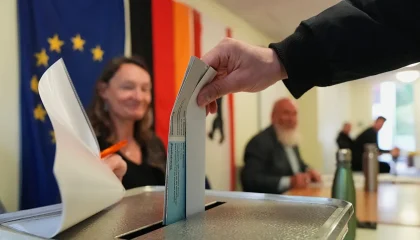
Meanwhile, Iceland presents an intriguing possibility for rebalancing the Union’s economic composition. This affluent Nordic nation is conducting a referendum with voting open through 29 August to determine whether to resume its EU accession negotiations.
Ukraine remains the most substantial challenge and opportunity. European capitals recognize that some form of membership or security arrangement must eventually appear in any comprehensive peace settlement with Russia. Despite its modest economic output, Kyiv’s vast territory, substantial population, and considerable military capabilities would position it as a powerful member state, particularly regarding defense and foreign policy matters.
This reality forces Brussels to reconsider how an enlarged Union would operate in practice.
Institutional Reforms on the Horizon
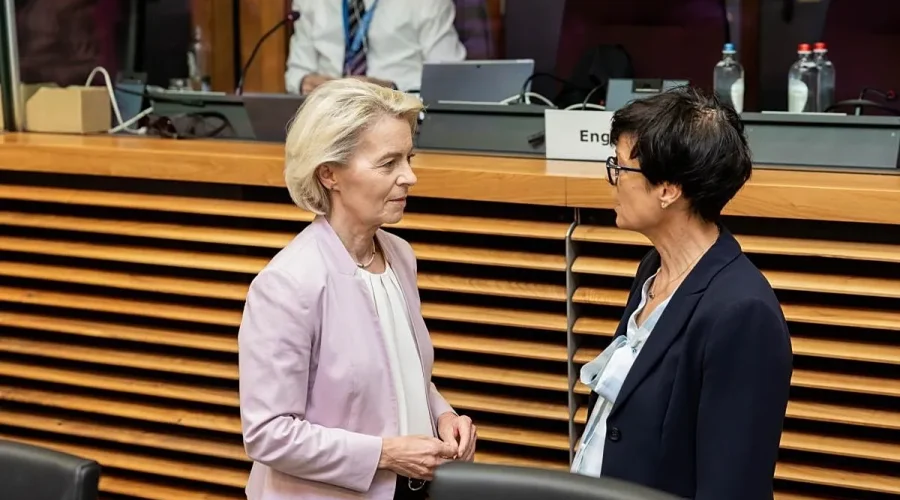
In her 2023 State of the Union address, European Commission President Ursula von der Leyen unveiled pre-enlargement policy reviews—a comprehensive framework outlining how an EU comprising thirty or more members might function. This initiative was subsequently set aside for several years as Ukraine’s candidacy complicated both practical implementation and political consensus.
The Commission now plans to release this document on 30 September, seeking to reclaim leadership on the enlargement agenda.
European governments have been actively debating mechanisms for managing incoming candidate countries. Proposals range from enhanced democratic safeguards for new members—inspired by Hungary’s experience under Viktor Orbán—to phased integration approaches that deliver immediate, visible benefits of membership.
More substantially, the Commission is anticipated to recommend modifications to the EU’s internal operations to ensure continued functionality after expansion. Demands to eliminate the unanimity requirement for foreign policy decisions have grown increasingly vocal. This represents a broader effort to strengthen the bloc’s external response capabilities in an era of heightened geopolitical tension—a development partly attributed to Orbán’s repeated use of veto power to block EU initiatives.
Another proposal gaining traction involves creating a leaner, more responsive European Commission focused on emerging priorities. This would require abandoning the principle guaranteeing each member state one commissioner, a provision strongly supported by smaller nations.
Nevertheless, skeptics maintain that such comprehensive reform may be premature, arguing that the Union should first consolidate its current achievements before undertaking structural transformation.
Related Reading
Frequently Asked Questions
What is Which way for EU enlargement Brussels?
Which way for EU enlargement Brussels is the main topic of this guide. The article explains the context, practical details, and next steps readers should understand.
Why does Which way for EU enlargement Brussels matter?
Which way for EU enlargement Brussels matters because readers are looking for a useful answer, not just a short summary. Good content should match search intent and help them decide what to do next.