Spanish singer Julio Iglesias sues Deputy PM Yolanda Díaz
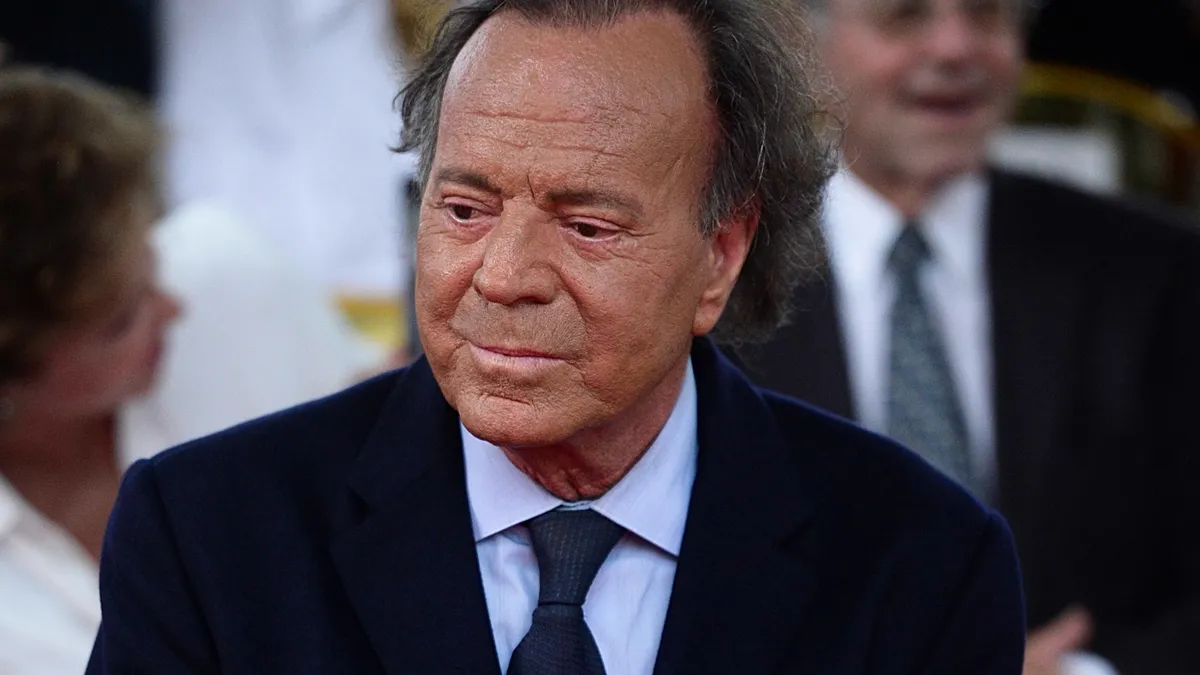
Usagevpn.com – Spanish singer Julio Iglesias sues Spain’s Deputy Prime Minister Yolanda Díaz in a landmark legal action that has captured public attention. The renowned artist has filed a lawsuit before the Supreme Court, accusing the political figure of unlawful interference with his right to honour and privacy. This legal challenge follows allegations made by two former employees in January, who claimed they suffered sexual abuse while working for the legendary performer.
Legal Claims and Compensation Demands
The lawsuit seeks €50,000 in compensation from Díaz, who made statements on her Bluesky social media platform and during an appearance on RTVE’s programme ‘La Hora de la 1’ earlier this year. According to Iglesias’s legal complaint, the deputy prime minister expressed “clear prejudices” regarding the allegations, suggesting that sexual abuse occurred within his household and that staff members were maintained in conditions resembling slavery. The complaint further alleges that the fundamental rights of employees were systematically violated during their employment.
Before pursuing legal action, Díaz rejected a conciliation proposal, maintaining that her comments did not damage the artist’s reputation. This rejection prompted Iglesias to escalate the matter through civil proceedings at the Supreme Court. Additionally, the lawsuit requests that the deputy prime minister issue a formal public retraction of her statements.
Broader Legal Actions and Investigation Details
Beyond the civil case against Díaz, Spanish singer Julio Iglesias sues several journalists from Diario.es through a separate criminal complaint filed in a Madrid court. The singer’s legal team argues that the publication’s editor, Ignacio Escolar, along with multiple reporters, published false and defamatory statements designed to undermine his public image. These journalists were the first to report the allegations made by the former employees.
The investigation, conducted by Diario.es in partnership with Univisión over a three-year period, examined numerous testimonies and supporting documents. Two women who previously worked at Iglesias’s properties in Punta Cana, Dominican Republic, and Lyford Cay, Bahamas, came forward with their accounts. One former employee specifically claimed that during sexual encounters, Iglesias slapped her and penetrated her without consent.
Journalist Paloma García-Pelayo, known for her close relationship with the singer, reported that Iglesias was deeply concerned about his public image following the allegations. She stated that the artist felt he had been “killed internationally” due to the media coverage. Despite these serious claims, the National Court prosecutor’s office ultimately decided to shelve criminal proceedings against Iglesias, citing the court’s lack of jurisdiction since the alleged incidents occurred at his Caribbean residences.
The prosecutor’s office based its decision on the court’s “lack of jurisdiction” to hear the case, as the alleged incidents took place at the artist’s residences in the Caribbean.
This comprehensive legal response demonstrates how Spanish singer Julio Iglesias sues multiple parties to protect his reputation. The ongoing cases highlight the intersection of celebrity, media responsibility, and political discourse in contemporary Spain.