EU Enlargement Takes Center Stage Amid Regional Funding Shifts
Newsletter – Recent developments highlight the growing significance of EU enlargement as a key priority in European politics. A major focus has been the reallocation of financial resources to Western Balkan candidate countries, with significant implications for the bloc’s strategic goals. According to two EU officials, the European Commission is preparing to adjust the distribution of funds under the Reform and Growth Facility, which was established in 2024 to support the region’s economic and political reforms. This initiative, totaling €6 billion over the 2024-2027 period, aims to accelerate the integration of Western Balkan nations into the EU by incentivizing reforms. However, early data reveals that only approximately €673 million has been disbursed so far, raising questions about the pace of progress.
Funding Allocation Reflects Progress and Priorities
EU officials have emphasized that the current distribution of funds prioritizes countries demonstrating consistent reform efforts. Montenegro, Albania, and North Macedonia—three of the six candidate nations—have emerged as the primary beneficiaries, accounting for nearly all of the released €673 million. This decision underscores the Commission’s emphasis on rewarding nations that align with its criteria for EU accession. By concentrating resources on these frontrunners, the EU hopes to avoid underutilizing financial support and ensure the funds contribute meaningfully to the enlargement process.
Bosnia and Herzegovina Faces Funding Challenges
In contrast, Bosnia and Herzegovina appears to be at a disadvantage, having received no allocation from the Reform and Growth Facility to date. This stagnation is attributed to the country’s complex institutional framework, which has hindered its ability to meet reform benchmarks. The situation is further complicated by the failure to secure a permanent High Representative for the Dayton peace accords, a critical role in maintaining stability. Talks among foreign diplomats last week failed to reach an agreement, prompting the EU to appoint a U.S. diplomat as acting envoy to facilitate progress. The role of the High Representative remains contentious, with some nations expressing concerns about the EU’s ability to maintain neutrality in regional disputes.
Ireland’s Presidency and Ukraine’s Push for Accession
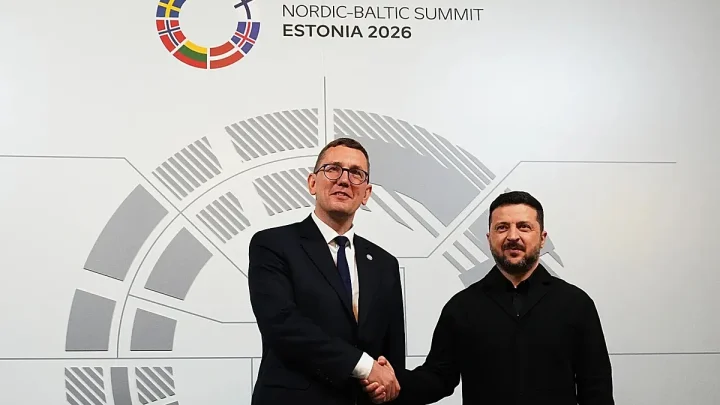
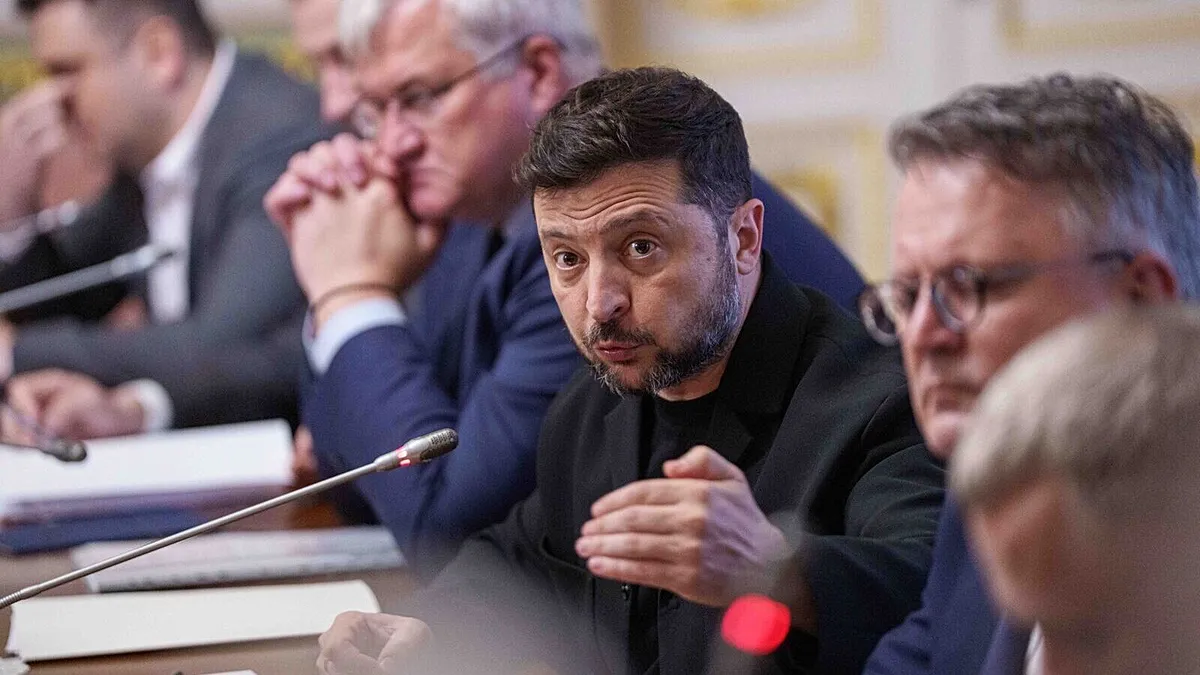
Enlargement also featured prominently during the opening of Ireland’s six-month EU Council presidency. President Volodymyr Zelenskyy’s attendance at the event in Dublin underscored Ukraine’s determination to advance its membership bid. Zelenskyy called for the expedited opening of five remaining negotiation clusters, stressing the importance of swift progress. However, his efforts are being tested by growing tensions with Hungary and Poland, which have raised objections to the pace of accession. During a press conference, Zelenskyy addressed these challenges, asserting that a timely EU entry would benefit all parties involved. “It’s in the interest of all the countries to have Ukraine in the EU as quickly as possible,” he stated. “I think it’s important that when we all have rules, it’s not just political emotions.”
Political Tensions and the Alumina Sales Controversy
Amid these discussions, Ireland’s own domestic issues came under scrutiny. The country’s prime minister, Micheál Martin, faced questions regarding a recent scandal involving alumina sales to Russia. The controversy has sparked debates about Ireland’s role in supporting EU energy policies amid rising concerns over geopolitical ties. Martin acknowledged the situation, saying an investigation to “get the full facts” was nearing completion and that the findings would be shared with the European Commission to determine next steps. Zelenskyy, however, expressed skepticism, warning that each ton of raw materials sold to Russia could be used against Ukraine in its ongoing conflict. “Every ton of raw materials that ends up in Russia is used against us in this war,” he said. “We very much hope for a positive result in this investigation. And we hope that we will not have to wait for it for months.”
Russian Attacks Intensify Pressure on EU Leaders
The day of Zelenskyy’s visit to Dublin was marked by an unexpected turn as Russia launched another large-scale attack on Ukraine. Intelligence warnings led to the premature conclusion of his trip, as he urged citizens to “be careful and look after themselves” during the assault. The strikes targeted Kyiv and other regions, with at least ten people killed and 56 injured, including two children. Dozens of cruise and ballistic missiles, along with coordinated drone attacks, caused widespread damage. Residential buildings were destroyed, a hotel in central Kyiv sustained structural harm, and multiple multistory structures were engulfed in flames. By 7:00 a.m. local time, the toll of the attack had been recorded at more than 30 locations across the city’s districts.
Commission’s Arrival in Cork Signals New Phase
Later today, the full college of European Commissioners is set to arrive in Cork, marking the formal start of Ireland’s presidency. This gathering is expected to outline the EU’s priorities for the coming months, including continued support for enlargement and response to the ongoing crisis in Ukraine. The Commission’s presence in Cork highlights the interplay between domestic and international challenges, as Ireland seeks to balance its role as a regional leader with its own political and economic responsibilities.
As the EU grapples with these multifaceted issues, the enlargement process remains a focal point for both strategic and symbolic reasons. The redistribution of funds, the unresolved appointment of a High Representative, and the recent Russian attacks all underscore the interconnected nature of EU diplomacy. While some nations are advancing, others face hurdles that could delay their integration. The coming weeks will be critical in determining how the EU navigates these challenges and maintains its commitment to expansion.
“It’s in the interest of all the countries to have Ukraine in the EU as quickly as possible,” said Volodymyr Zelenskyy during a press conference in Dublin. “I think it’s important that when we all have rules, it’s not just political emotions.”
With the Commission’s arrival in Cork, the stage is set for a series of high-stakes decisions that will shape the EU’s future. The interplay of economic incentives, political negotiations, and security threats will test the bloc’s ability to maintain cohesion. As the Western Balkans and Ukraine continue their bids for membership, the EU’s approach to enlargement will serve as a litmus test for its broader geopolitical strategy.