A Milestone for European Travelers: Parliament Approves Major Overhaul of Air Passenger Rights
Inside the EU s bittersweet deal – Millions of Europeans preparing for their summer vacations received welcome news this week as the European Parliament approved a comprehensive revision of air passenger rights. These regulations, originally established in 2004, are receiving their first significant update in over two decades. The newly adopted framework aims to strengthen protections for travelers facing various forms of disruption, including situations where passengers are denied boarding or experience extended delays and cancellations.
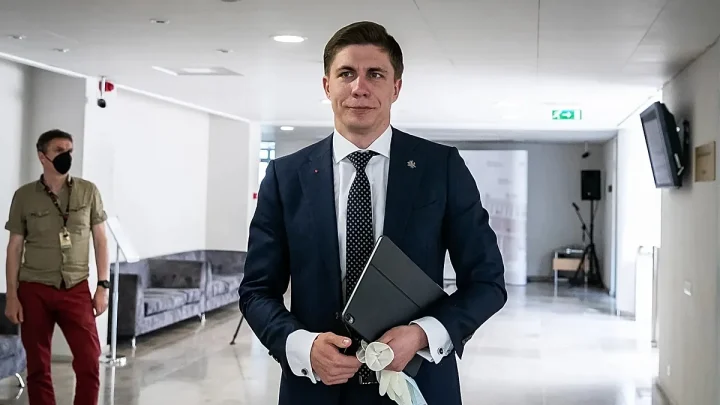
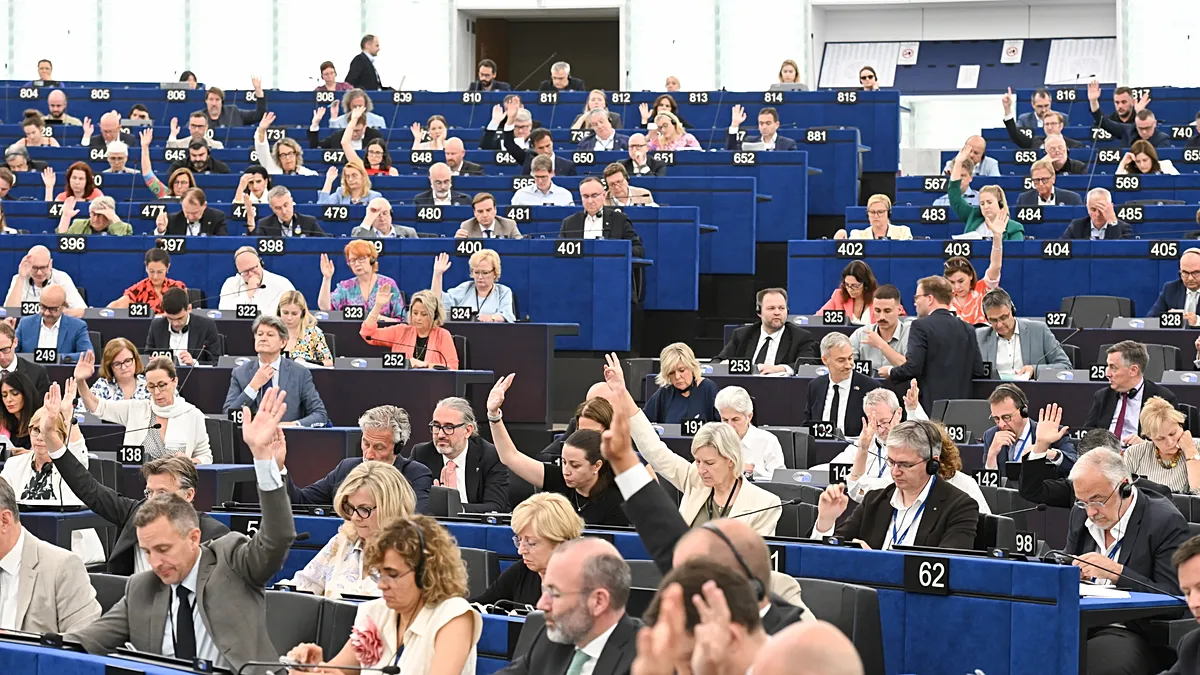
During Tuesday’s plenary session, an impressive 646 members of the European Parliament cast their votes in support of the updated legislation. This overwhelming approval means the European Union now operates under an entirely new set of rules governing air travel. The European Parliament’s lead negotiator, Bulgarian MEP Andrey Novakov from the European People’s Party, expressed enthusiasm about the outcome. Speaking to Euronews, he remarked that this represents the most substantial advancement in passenger protections since the start of the current century. He emphasized that today’s travelers carry rights that travel alongside them rather than remaining behind when they board their aircraft.
Key Changes and Continuity in the New Framework
The final agreement, reached between the European Parliament and the EU Council in the previous month, had been under discussion since the European Commission initially proposed revising the air passenger rights framework back in 2013. Several provisions remain unchanged from the original regulations. Passengers continue to receive compensation ranging from €250 to €600 when flights are either cancelled or delayed beyond three hours.
However, several meaningful improvements have been introduced. Families traveling with children younger than 14 years old will no longer face additional charges for seating together. Additionally, a new transparency measure ensures that online ticket prices always display the cost of one complimentary piece of hand luggage. Novakov highlighted that the revised framework accomplishes two objectives simultaneously: maintaining existing standards while enhancing both the quality and quantity of passenger protections. He noted that the changes will reduce administrative challenges for travelers seeking compensation, as airlines will now proactively contact citizens to explain the process.
Consumer Groups Express Cautious Optimism
Consumer advocacy organizations have responded to the agreement with measured enthusiasm. Olivia Brown, a policy officer at Euroconsumers, acknowledged that the new rules clarify how consumers can claim compensation but cautioned that the process has not necessarily become simpler. She pointed out that the removal of pre-filled claim forms represents a significant setback, as these documents had been considered valuable assistance for travelers at the final stage of the claims process.
The European Parliament had originally pushed for airlines to provide pre-filled claim forms to passengers experiencing travel disruptions within 48 hours of the incident. This requirement was eliminated during negotiations with EU member states. Brown explained that this provision would have offered genuine, tangible benefits to consumers. While she characterized the outcome as real progress, she admitted that it falls short of the major victory many passengers had anticipated. She also noted concerns that the compensation amounts established in 2004 may no longer reflect current economic realities. According to Euroconsumers’ 2026 affordability survey, 47% of respondents indicated they struggle to afford their holiday expenses.
Airline Industry Sees Mixed Results
The European Regions Airline Association (ERAA) expressed disappointment with the final outcome, stating in a press release that the deal produces no clear winners. Director General Montserrat Barriga criticized the uniform compensation structure applied to all airlines. She argued that the one-size-fits-all methodology fails to acknowledge the distinct operational realities faced by regional carriers. Barriga explained that on numerous regional routes, compensation payments frequently surpass the original ticket price. She further contended that negotiators overlooked the fact that regional airlines maintain smaller fleets, utilize the same aircraft throughout the day, and possess fewer resources for handling disruptions.
Despite these criticisms, Barriga welcomed the elimination of pre-filled claim forms from the agreement. She argued that mandating such forms could have disproportionately burdened smaller airlines with limited personnel and digital capabilities. Instead of focusing on managing disruptions, these carriers would have needed to invest in complex IT systems. The ERAA also appreciated the enhanced transparency requirements and the new legal obligation for airlines to proactively provide passengers with information necessary for making claims.
Political Context Shapes the Final Outcome
Barriga suggested that the agreement was accelerated for political motivations. She described intense negotiations between the European Parliament and the Council, noting that considerable pressure existed to finalize the deal. Nevertheless, other stakeholders believe negotiators achieved the most favorable result possible given the political environment. MEP Novakov emphasized that the parties had come dangerously close to failing to reach any agreement at all. The European Parliament negotiator also highlighted that securing any revision after more than a decade of deliberation represents a significant achievement in itself.