Inside the NATO Summit: Record Spending and American Dependence
Video: Inside the NATO summit where record European military spending buys American dependence – Video: Inside the NATO summit where European defense budgets are surging, raising questions about the balance of influence between the continent and the U.S. During the recent summit, tensions emerged as European nations committed to increased military spending, a move that critics argue reinforces their reliance on American resources and strategic oversight. The event highlighted a key debate: does this financial investment empower Europe, or does it merely sustain Washington’s dominance within the alliance?
Europe’s Rising Commitment: A $1 Trillion Shift
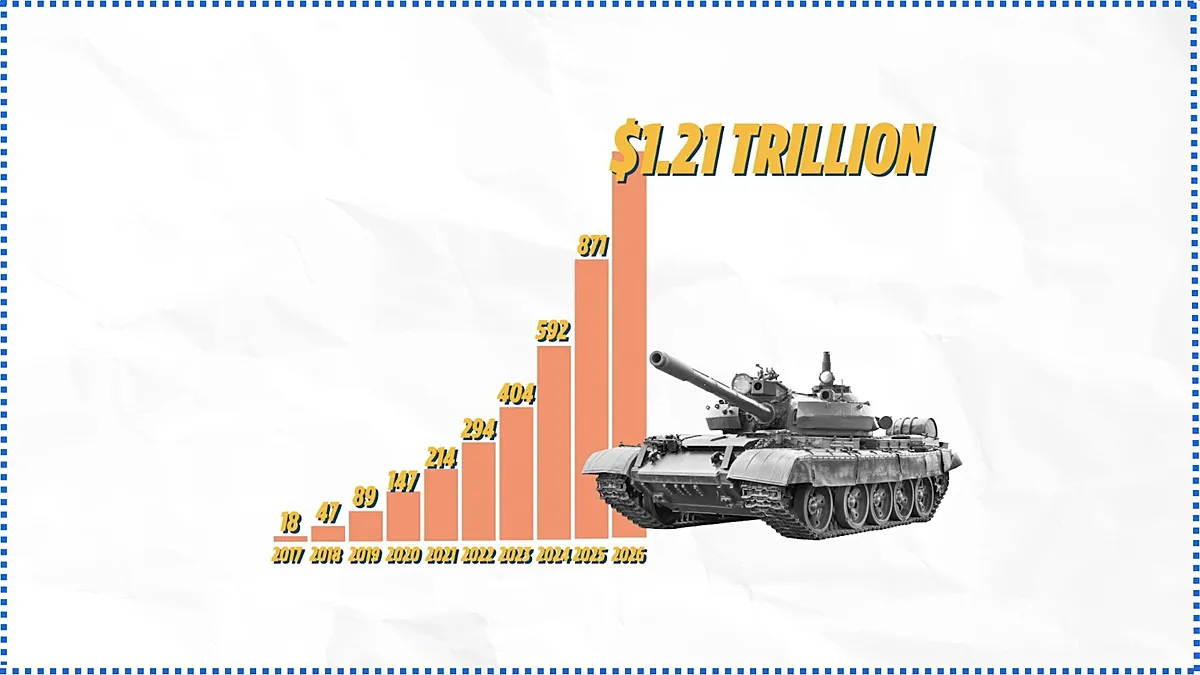
Over the past two years, NATO allies have boosted defense spending by 20% annually, adding $258 billion to the alliance’s total allocation. This marks a significant milestone, as the combined spending has now exceeded $1 trillion since Trump’s first term. The NATO Secretary General humorously dubbed it “The Trump Trillion,” underscoring the role of U.S. leadership in shaping the alliance’s financial trajectory. While this reflects Europe’s growing investment, it also underscores the continued U.S. influence over NATO’s strategic priorities.
“Europe has failed to support us during the Iran conflict,” Trump stated on Truth Social, calling out NATO allies for their perceived lack of solidarity. His remarks sparked discussions about the practical outcomes of Europe’s spending pledges, with analysts noting that the funds often flow back to American defense firms rather than being fully utilized by European militaries.
The summit’s agenda, which includes modernizing NATO’s capabilities, reflects this concern. Allies aim to meet a 5% GDP defense target by 2035, a goal meant to bolster the alliance’s readiness. However, the U.S. remains skeptical, arguing that the investment is still not enough to offset its global commitments or guarantee long-term stability within the alliance.
From Financial Pledges to Strategic Control
Despite the financial commitments, the U.S. continues to wield significant control over NATO’s operations. European nations, while increasing their budgets, are still reliant on American technological and logistical support. This dynamic has led to debates about whether the current spending reflects true partnership or a continuation of Washington’s dominant role in the alliance. The U.S. Ambassador to NATO, Mathew Whittaker, emphasized that European countries must stop relying on American taxpayers, a sentiment that highlights the imbalance in the alliance’s structure.
One key area of focus is the U.S. monopoly on advanced military technologies. The Trump administration has positioned itself as the sole provider of next-generation AI systems, such as the Claude Mythos, which give Washington an edge in shaping the alliance’s capabilities. While Europe invests in defense, the U.S. retains the power to dictate how these technologies are used, raising concerns about dependency and influence.
The Summit’s Impact: A New Era of Cooperation?
The NATO summit also addressed the broader implications of European spending. With the alliance’s financial commitments reaching unprecedented levels, the question remains whether this investment will lead to greater self-reliance or deepen reliance on American assets. The summit’s discussions on modernization and technological integration suggest a shift toward a more balanced partnership, but critics argue that the U.S. still holds the upper hand in determining NATO’s direction.
Inside the NATO summit where Europe’s financial pledges are meant to strengthen autonomy, the reality is that the U.S. remains a central player in the alliance’s strategic framework. While European countries are making progress in increasing their defense budgets, the flow of resources and decision-making power continues to favor Washington. This has sparked debates about the future of NATO and whether the current system will evolve into a more equitable partnership.