Extreme Weather and Jellyfish Knock France’s Nuclear Capacity Offline
Usagevpn.com – Extreme weather and jellyfish knock one-fifth of France’s nuclear capacity offline on Wednesday, marking an unprecedented disruption for the nation’s electricity network. The 20.4 percent shortfall represents a historic high for environmental-related outages, driven by a convergence of drought conditions, record-breaking temperatures, and an unexpected marine phenomenon: a massive jellyfish invasion that clogged critical cooling systems.
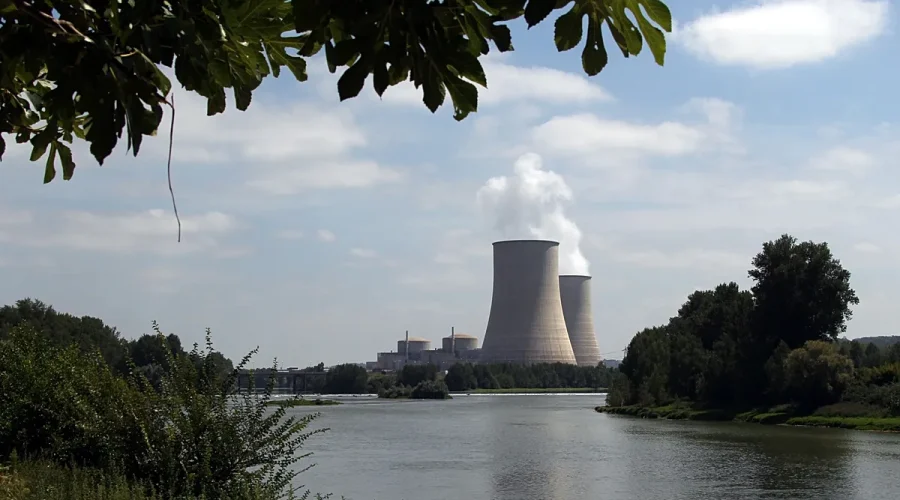
Nuclear energy serves as the backbone of French electricity generation, supplying approximately seventy percent of the country’s power needs. This heavy reliance on atomic energy has made the nation particularly vulnerable to weather patterns that affect cooling systems. Throughout 2026, France has experienced multiple heatwaves and drought episodes that have progressively strained its nuclear infrastructure, but Wednesday’s events marked a significant escalation.
The Morning Peak: A Perfect Storm of Disruptions
Between 9:45 am and 10:00 am, France’s nuclear fleet reached a new record for simultaneous outages attributed to environmental constraints. The disruptions affected both the total number of reactors offline and those operating below full capacity, creating a compound effect on national power generation. EDF, the state-owned energy company that operates most of France’s nuclear facilities, reported that thirteen of its fifty-seven reactors were impacted during this critical morning window.
The breakdown revealed eight reactors completely shut down while five continued operating at reduced power levels. This dual scenario—total shutdowns combined with partial operation—created a more complex challenge for grid operators than simple reactor failures would have.
Jellyfish Clog Critical Cooling Systems
A significant portion of the lost capacity originated at Gravelines, Western Europe’s largest nuclear power station. Five of the facility’s six reactors experienced full or partial shutdowns after a dense swarm of jellyfish blocked the intake pumps responsible for drawing in cooling water. These pumps are essential for maintaining safe operating temperatures within the reactor systems.
Marine biologists and environmental scientists have documented a troubling trend in jellyfish populations over recent decades. The combination of overfishing—which removes natural predators—plastic pollution that provides floating habitat, and warming ocean temperatures due to climate change has created ideal conditions for jellyfish proliferation. These creatures now thrive and reproduce at rates far exceeding historical norms, increasingly threatening coastal infrastructure that depends on seawater intake.
Heat and Drought Compound the Crisis
Outside the Gravelines facility, additional reactor disruptions stemmed from extreme heat and prolonged drought conditions. These weather patterns deprived nuclear plants of the cooling water they require for normal operations. During periods of drought or intense heat, river flows decrease while water temperatures rise, creating a double problem for nuclear facilities.
EDF must carefully balance energy production with environmental protection obligations. When river temperatures exceed regulatory limits or water levels drop too low, the operator may need to reduce or completely halt production. This precaution prevents the plant from discharging chemical or radioactive effluents into stressed waterways and avoids further warming rivers with cooling water that is already elevated in temperature before being returned to the ecosystem.
Short-Term Stability Despite Record Outages
Despite the unprecedented scale of environmental disruptions, energy analysts remain confident that France’s electricity supply remains secure. Nicolas Goldberg, an energy specialist at Colombus Consulting, emphasized that the situation does not threaten immediate power availability. “But there is enough leeway that this does not pose any supply problems in the short term,” Goldberg explained, noting that France maintains sufficient backup capacity and can manage demand during peak environmental stress periods.
The convergence of these environmental challenges highlights the growing vulnerability of nuclear infrastructure to climate-related phenomena. As extreme weather events become more frequent and intense, France’s energy planners must consider how to adapt its nuclear fleet to increasingly unpredictable environmental conditions while maintaining the reliability that has defined French electricity generation for decades.
“But there is enough leeway that this does not pose any supply problems in the short term,” said Nicolas Goldberg, an energy expert at consultancy Colombus Consulting.
Frequently Asked Questions
How much of France’s nuclear capacity was affected? One-fifth, or 20.4 percent of France’s nuclear capacity went offline due to extreme weather and jellyfish interference, representing a historic high for environmental-related outages.
Which power station was most impacted? Gravelines, Western Europe’s largest nuclear power station, experienced the most significant disruptions with five of its six reactors affected by jellyfish clogging cooling water intake pumps.
Why are jellyfish populations increasing? Marine scientists attribute the rise to overfishing removing natural predators, plastic pollution providing floating habitats, and warming ocean temperatures creating ideal conditions for jellyfish proliferation.
Will France face power shortages? Energy analysts believe short-term supply remains secure, with sufficient backup capacity available to manage demand during peak environmental stress periods.
How does drought affect nuclear plants? Drought reduces river flows while increasing water temperatures, creating a double challenge for nuclear facilities that need adequate cooling water for safe operations.