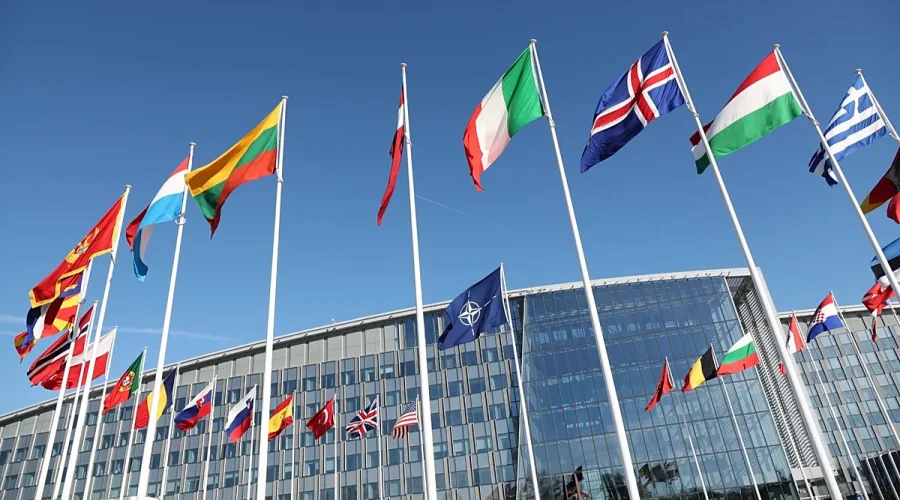
Belgian Court Extends Detention of Woman Accused of Espionage at NATO Headquarters
Usagevpn.com – A woman held in Belgian custody on suspicion of spying for an unnamed foreign state will remain behind bars at least through the coming month. The country’s Indictments Chamber, sitting in closed session, dismissed her appeal against pre-trial detention on Monday, and the Federal Prosecutor’s Office confirmed the decision in a brief statement. Her detention was extended by thirty days, meaning she will continue to await trial without a fixed hearing date.
The ruling closes one chapter of a case that has already cast a shadow over one of NATO’s most sensitive command structures. The accused — a Canadian citizen of Chinese heritage identified in media reports as Claire Z, a woman in her thirties — was taken into custody in July following a coordinated police operation. Officers searched both her private residence in the Walloon city of Mons and her workplace at SHAPE, the Alliance’s Supreme Headquarters Allied Powers Europe, located in the same municipality.
What SHAPE Does, and Why the Case Matters
Understanding the gravity of the allegations requires understanding the institution where the woman worked. SHAPE is not merely an office building; it is the operational nerve centre through which political directives issued by NATO ambassadors in Brussels are converted into concrete military orders. Every major Alliance decision — from force-posture adjustments to crisis-response authorisations — passes through SHAPE’s chain of command before reaching deployed units. A breach of trust at that level, even if ultimately unfounded, touches the operational security of member states across Europe and North America.
A spokesperson for SHAPE addressed the question directly in a statement issued after the arrest became public. The office said there was
“no indication” the alleged activity had disrupted NATO’s military operations.
That reassurance, while welcome, does not eliminate the broader unease. Analysts and defence officials have noted that the mere existence of an intern with access to SHAPE’s internal systems — and the possibility that she belonged to a criminal organisation, as Belgian prosecutors alleged at the time of arrest — raises questions about screening protocols that extend well beyond one individual.
The Internship and the Security-Clearance Question
Claire Z was completing a six-month internship at SHAPE when the espionage activities are alleged to have taken place. Interns at NATO headquarters are not simply observers; they rotate through sections that handle logistics, communications, and planning. Candidates for such placements are ordinarily expected to obtain a security clearance from their home country’s authorities before they can begin work. That requirement places the onus partly on national governments to vet their own citizens before they gain access to allied infrastructure.
Attempts to reach the office of Canada’s foreign affairs minister for clarification on whether Ottawa had cooperated with Belgian investigators in vetting or reviewing the intern’s clearance went unanswered as of the latest reporting. The silence has drawn its own commentary, though no official explanation for the delay has been offered.
Ottawa’s Response
Canada’s Public Safety Minister Gary Anandasangaree addressed the matter publicly when the arrest first surfaced. He stated that the government was committed to
“get to the bottom” of the arrest and to ensure it does not occur again.
He added:
“As a country, we will continue to investigate the processes we have and the security screening.”
Those remarks signal an internal review of how Canadian nationals are assessed before they enter allied command environments. Whether that review will produce structural changes to clearance procedures, or will conclude that existing safeguards were adequate, remains to be seen.
What Remains Unknown
Belgian authorities have not publicly identified the third country for which the woman is accused of gathering intelligence, nor have they specified what categories of information she allegedly sought. The Federal Prosecutor’s Office confirmed on Monday that the investigation is still active and that no trial date has been scheduled. The Indictments Chamber’s decision to extend detention by one month suggests prosecutors believe they require additional time to consolidate evidence before deciding whether to bring formal charges.
The absence of a named target state has fuelled speculation in European defence circles. NATO’s membership spans North America, Western Europe, and the Baltic region, and the question of whether a particular ally or a non-member power benefited from the alleged intelligence gathering carries very different diplomatic weight. Until prosecutors disclose more, the case will continue to generate quiet anxiety among Alliance planners who must assume, as a matter of prudence, that any internal breach could have been observed by an outside actor.
Broader Implications for European Security Posture
The episode lands at a moment when European governments are already recalibrating their defence postures in response to shifting geopolitical pressures. Trust in shared command structures is a precondition for collective action; a confirmed espionage case at SHAPE would test that trust in ways that no policy paper can fully prepare for. Even an unconfirmed case, however, prompts member states to revisit how much operational detail flows through intern programmes, how long access rights persist after an internship ends, and whether allied headquarters have sufficient tools to detect anomalous information flows before they become public scandals.
For now, Claire Z remains in Belgian custody, her appeal exhausted, her trial date undetermined, and the question of who she allegedly served still unanswered. The next development will come from the prosecutors’ office, and until then the case will continue to hover over NATO’s operational planning like a low cloud that has not yet broken into rain.
Related Reading
Frequently Asked Questions
What is Belgian judge strikes down pre trial?
Belgian judge strikes down pre trial is the main topic of this guide. The article explains the context, practical details, and next steps readers should understand.
Why does Belgian judge strikes down pre trial matter?
Belgian judge strikes down pre trial matters because readers are looking for a useful answer, not just a short summary. Good content should match search intent and help them decide what to do next.