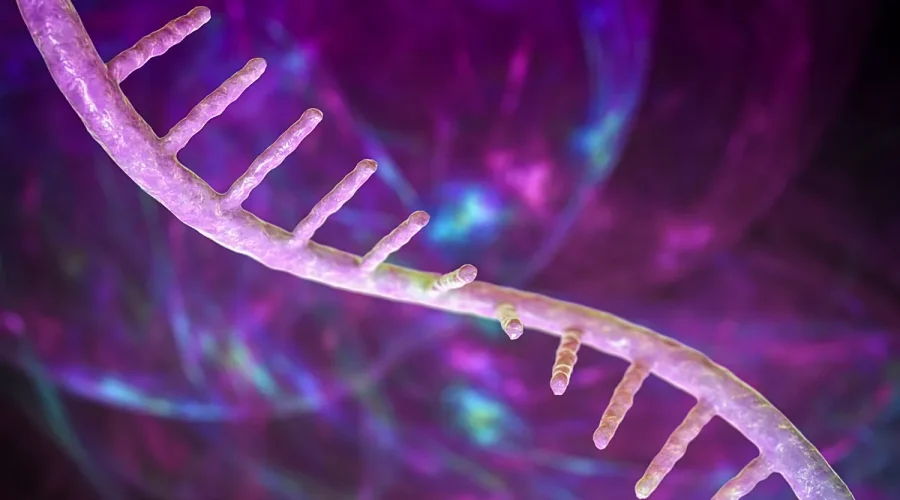
A Molecular Traffic Jam May Be Holding Back Next-Generation mRNA Therapies
Usagevpn.com – Researchers at Johns Hopkins Medicine have uncovered what appears to be a fundamental bottleneck in how today’s leading mRNA platforms deliver their payloads inside living cells. By comparing two distinct chemical modifications to messenger RNA, the team demonstrated that one naturally occurring alteration — known as N4-acetylcytidine, or ac4C — allows ribosomes to translate genetic instructions at roughly double the speed of the modification currently standard in commercial mRNA vaccines. The work, published in Nature, points toward a pathway for producing substantially higher quantities of therapeutic protein from the same amount of injected mRNA, a capability that could reshape vaccine design, oncology treatments, and therapies aimed at infectious and autoimmune diseases.
The Modification at the Center of the Finding
Since the emergency approval of SARS-CoV-2 mRNA vaccines in 2020, the field has largely standardized on a single nucleoside alteration: N1-methylpseudouridine, abbreviated m1Ψ. This modification stabilizes the RNA strand against enzymatic degradation and reduces unwanted immune activation, making it indispensable for the vaccines that have since been deployed worldwide. Yet the Johns Hopkins group, led by Bin Wu, associate professor of biophysics and biophysical chemistry at the university’s School of Medicine, asked whether a different chemical tweak to the RNA backbone might unlock greater translational output.
Wu’s team turned to ac4C, a modification that occurs naturally in certain organisms and has been catalogued among the more than 170 known RNA modifications identified to date. Only a narrow fraction of those modifications have ever been evaluated for therapeutic mRNA applications, Wu notes, leaving a vast chemical landscape largely unexplored for drug development.
How Ribosomes Engage Modified mRNA
Inside every cell, ribosomes — the molecular machines that build proteins — thread along an mRNA strand, reading codon by codon and assembling amino acids into functional polypeptides. The speed at which a ribosome traverses its template directly determines how much protein a given quantity of mRNA can generate before the transcript is degraded. If the ribosome stalls or queues behind a slower-moving neighbor, productive translation drops sharply.
Using cultured human dendritic cells and mouse hepatocytes as experimental systems, the Johns Hopkins investigators compared ribosome behavior on ac4C-modified transcripts against transcripts carrying the industry-standard m1Ψ modification. High-resolution imaging revealed a striking disparity: ribosomes navigating the ac4C-modified strand moved at nearly twice the velocity of those working through m1Ψ-modified RNA.
“Our results show that ac4C causes cells to produce more therapeutic proteins to fight disease than the industry standard mRNA platform,” said Bin Wu, associate professor of biophysics and biophysical chemistry at the Johns Hopkins University School of Medicine. “This may eventually lead to more efficient drugs that require smaller doses.”
The Traffic Analogy
The researchers liken the phenomenon to a congested highway. When ribosomes crowd onto an m1Ψ-modified transcript, they form queues analogous to stop-and-go traffic, each stalled machine reducing the overall throughput of protein synthesis. The ac4C-modified strand, by contrast, appears to keep ribosomes flowing freely, eliminating the congestion.
“Our imaging revealed that ribosomes travel nearly twice as fast on the ac4C-modified mRNA, preventing the ribosomal traffic jam we may encounter with the industry standard mRNA platform,” Wu says.
Why Protein Yield Determines Therapeutic Success
The central appeal of mRNA therapeutics lies in their programmability: a single injection can instruct a cell to manufacture a chosen protein for a limited window, after which the transcript is cleared. Yet the magnitude of that transient protein burst is often the difference between a clinically effective dose and a subtherapeutic one. For vaccines, sufficient antigen presentation drives robust adaptive immunity. For cancer immunotherapies, adequate levels of checkpoint proteins or cytokines are needed to re-engage exhausted T cells. For autoimmune interventions, precise modulation of immune signaling demands reliable expression at defined thresholds.
If ac4C-modified mRNA can coax cells into generating meaningfully more protein per unit of injected nucleic acid, formulators could potentially lower the required dose, reduce reactogenicity, and improve the therapeutic index across an expanding pipeline that now spans infectious-disease vaccines, experimental oncology agents, and immune-modulating strategies for conditions such as lupus and multiple sclerosis.
What Comes Next
The Johns Hopkins findings remain at the preclinical, in-vitro stage. Before ac4C can influence any product in development, it must be shown to maintain stability, avoid triggering innate immune sensors, and deliver its translational advantage in whole-animal models and ultimately in human trials. Regulatory agencies will also scrutinize the manufacturing process for a new nucleoside chemistry at scale.
Still, if the ribosomal congestion identified here proves to be a genuine limitation of current platforms — and if ac4C can neutralize that limitation safely in living organisms — the discovery would represent a significant inflection point in the race to build the next generation of mRNA medicines. The implications extend well beyond any single indication, touching every therapeutic modality that depends on transient, programmable protein expression inside the patient’s own cells.
Related Reading
Frequently Asked Questions
What is Scientists find possible new route to more?
Scientists find possible new route to more is the main topic of this guide. The article explains the context, practical details, and next steps readers should understand.
Why does Scientists find possible new route to more matter?
Scientists find possible new route to more matters because readers are looking for a useful answer, not just a short summary. Good content should match search intent and help them decide what to do next.