Leonard Cohen Estate Condemns Use of ‘Hallelujah’ at Trump’s Freedom 250 Rally
Leonard Cohen estate slams use of Hallelujah – The Great American State Fair, a celebration of the United States’ 250th anniversary, kicked off in Washington, D.C., with a wave of controversy. The event’s opening rally at the National Mall featured an unexpected clash over the use of Leonard Cohen’s iconic song, “Hallelujah,” which the singer’s estate swiftly denounced. This dispute, however, was only one of several scandals that marred the rally’s debut, as organizers faced scrutiny over their political affiliations and the inclusion of controversial musical performances.
Political Tensions and Musical Missteps
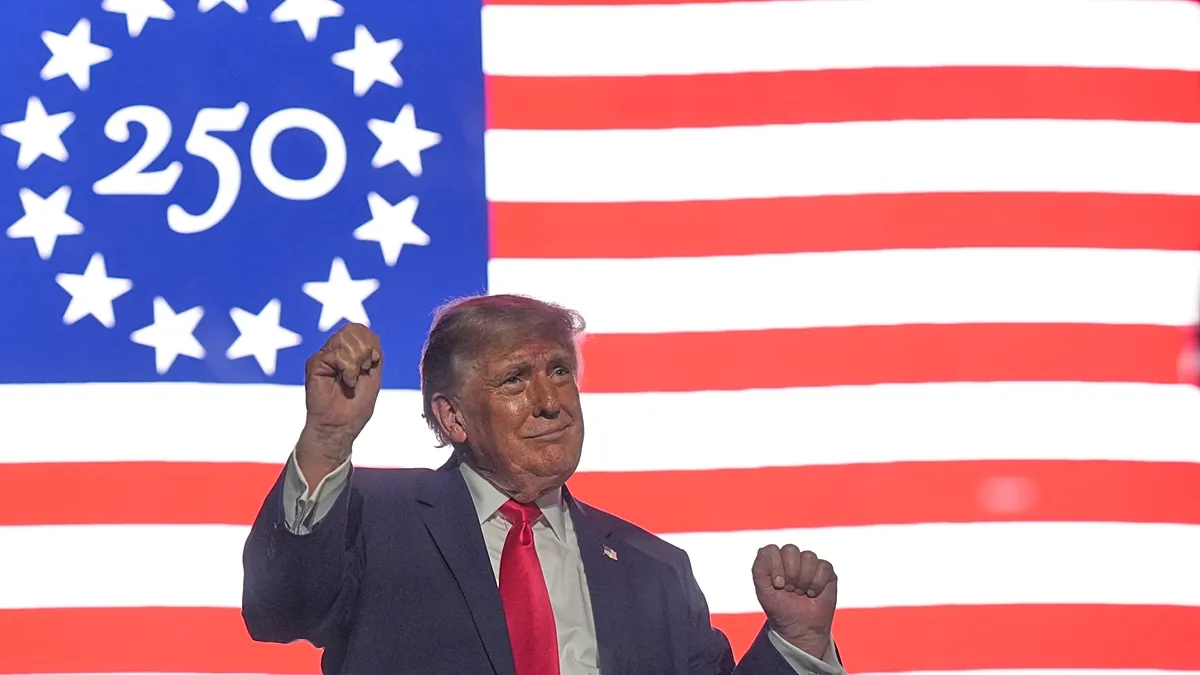
The Freedom 250 rally had already been stripped of its planned concert component after several artists withdrew from the lineup. Their decision was driven by concerns over the event’s strong ties to the MAGA movement, which raised eyebrows among performers and audiences alike. When Donald Trump ultimately canceled the concert, he replaced it with a rally that still drew criticism for its choice of musical acts. Among the most contentious moments was the performance of “Hallelujah,” which the Leonard Cohen Estate labeled as unauthorized.
“The Leonard Cohen Estate has learned that the song ‘Hallelujah’ is to be performed at a Donald Trump rally on June 24,” a statement on the singer’s social media account read. “This use is not authorized, and the Estate does not support or approve of this or any similar usage.”
The message concluded with a reference to Trump’s signature platform, Truth Social, by ending with “Thank you for your attention to this matter.” The estate’s objection came three weeks prior, when Trump announced his intention to include the song in the rally alongside classical pieces like “Nessun Dorma” and “Ave Maria,” as well as the patriotic anthem “God Bless America.” Despite the warning, the performance proceeded, featuring opera singer Christopher Macchio and Master Gunnery Sgt. Kevin Bennear of the U.S. Marine Band.
A Lack of Subtlety in the Performance
Macchio’s rendition of “Hallelujah” stood out for its boldness and lack of restraint. The 1984 classic, often interpreted as a melancholic reflection on love and loss, was transformed into a jubilant, unapologetic performance that underscored the rally’s political fervor. Trump himself had previously praised Macchio on Truth Social, calling him “a voice” comparable to Luciano Pavarotti. However, the singer’s history of using Cohen’s work in GOP-aligned events has sparked debate over whether this was a calculated move or a genuine endorsement.
Macchio had previously performed “Hallelujah” at the 2020 Republican National Convention, a fact that critics used to argue the song’s inclusion at the Freedom 250 rally was an attempt to align with Trump’s campaign. The Leonard Cohen Estate, which has been vocal in opposing the use of Cohen’s music in political contexts, joined a growing list of musicians urging Trump to distance himself from their work. In October 2024, the estate even requested Sony Music to issue a cease-and-desist letter to the Trump campaign, highlighting the depth of their frustration with the song’s appropriation.
The National Anthem and Personal Ties
Adding to the mix of controversy, the rally also included a performance of the U.S. National Anthem by Alexis Wilkins, a lesser-known country singer. The 27-year-old artist, who boasts 5,620 monthly listeners on Spotify, was added to the lineup at the last minute. This decision drew immediate accusations of favoritism, given that Wilkins is the girlfriend of FBI Director Kash Patel. “I have been a country music artist for years now,” she stated on X, “and I was invited to sing this anthem on my own accord, as I have been many other places throughout my career.” Her presence at the event, however, was seen by some as a political gesture, further intensifying the rally’s contentious reputation.
The combination of these events painted a picture of a celebration that, while aiming to honor American history, seemed to prioritize political messaging over cultural integrity. The Freedom 250 rally was not just a showcase of music but also a stage for ideological alignment, with Cohen’s song and Wilkins’ performance serving as symbols of that broader narrative. The lack of subtlety in both acts, coupled with the estate’s public rebuke, underscored the tension between artistic expression and political exploitation.
Controversy as a Pattern
For the Leonard Cohen Estate, the rally marked the latest in a series of battles against the commercialization of their late creator’s work. Cohen, who passed away in 2016, had long been a figure of reverence, and his estate’s decision to block the use of “Hallelujah” at the rally was seen as a defense of his legacy. The estate’s actions were not isolated; they had previously taken steps to protect Cohen’s music from being misused in campaigns and events that conflicted with his artistic vision.
Trump’s use of the song, however, was part of a broader trend of leveraging popular culture to bolster his political image. From the inclusion of classical pieces to the choice of a country singer with personal ties to the administration, the rally was a microcosm of the GOP’s strategy to blend tradition with partisan messaging. The estate’s intervention, while not stopping the performance, highlighted the growing divide between the artist’s intent and the political context in which their work is used.
America’s 250th Birthday: A Celebration of Controversy
Despite the early challenges, the Great American State Fair is set to continue for 16 days, drawing a mix of supporters and detractors. The event has already faced criticism for its partisan leanings, with several U.S. states declining to participate over concerns about its alignment with Trump’s political agenda. From a UFC fight staged on White House grounds to algae blooming in the Lincoln Memorial Reflecting Pool, the celebrations for America’s 250th birthday have been marked by a series of unusual and divisive moments.
As the event unfolds, the interplay between art and politics remains a central theme. Cohen’s “Hallelujah,” once a song of introspection, now symbolizes the friction between cultural heritage and political symbolism. The estate’s stance, while firm, has also raised questions about the boundaries of intellectual property in a political landscape that often seeks to claim and repurpose artistic works. Whether this is seen as a triumph of artistic integrity or a sign of ideological control depends on one’s perspective, but the controversy is undeniably a defining feature of the rally’s opening day.
For now, the Great American State Fair moves forward, carrying the weight of its early controversies. While some may argue that the event has successfully turned the page on its political missteps, others will point to the performance of “Hallelujah” and the inclusion of Wilkins as evidence that the mix of art and ideology is far from resolved. As the 16 days of festivities begin, the nation watches to see if the rally’s blend of musical choices and political messaging will redefine the celebration of its 250th anniversary—or simply amplify its existing tensions.