Pepe Habichuela, Pillar of Flamenco Guitar, Passes Away in Madrid
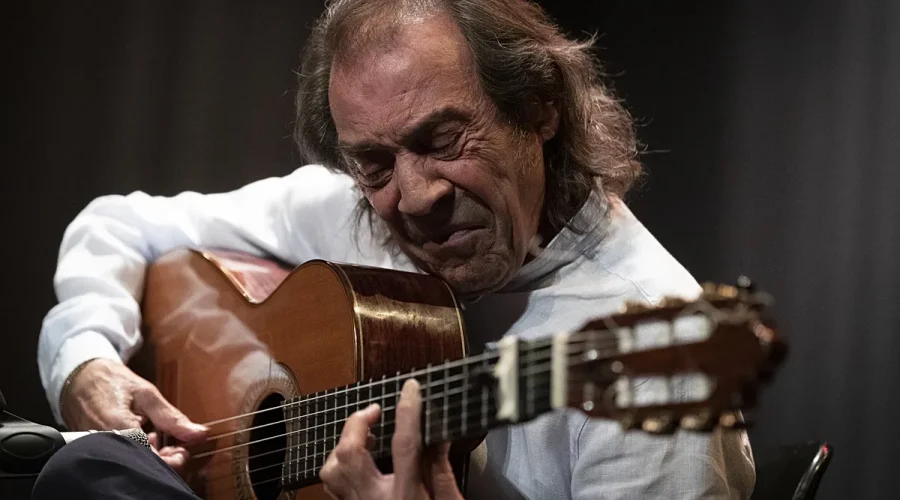
Usagevpn.com – The flamenco community has lost one of its most revered figures. Pepe Habichuela, the master guitarist whose artistry helped shape the sound of modern flamenco, died on Tuesday in Madrid. The Spanish capital had been his home for many decades, and it is where he spent his final days surrounded by the city that embraced his music. His death closes a remarkable chapter in flamenco history. For over six decades, Habichuela’s fingers danced across guitar strings, creating sounds that bridged traditional cante with contemporary expression. Musicians, critics, and fans alike are mourning the loss of a man whose influence reached far beyond the stage.
A Dynasty of Sound
Born José Antonio Carmona Carmona in Granada in 1944, Habichuela emerged from what many consider the most important family in flamenco history. The Habichuelas were not merely performers; they were custodians of an art form that traces its roots to the Moorish, Jewish, and Gypsy communities of Andalusia. His father, Antonio Carmona, known as “El Niño de Almería,” was a legendary guitarist whose recordings from the mid-twentieth century remain essential listening for anyone studying flamenco. Pepe grew up immersed in this musical heritage, learning not just technique but the emotional language of the guitar. The family legacy continued through the next generation. Pepe became the father of Josemi Carmona, who would go on to co-found Ketama, the influential group that brought flamenco to international audiences in the 1980s and 1990s. Through his son, Pepe’s musical DNA spread even further into the genre’s evolution.
The Madrid Years and Musical Innovation
A pivotal moment arrived in 1964 when Habichuela relocated to Madrid to join his brother Juan. This move transformed his career trajectory. Madrid, as Spain’s cultural capital, offered new opportunities and exposure that would establish Pepe as one of the most sought-after guitarists of his generation. His collaboration with Enrique Morente stands as one of the most significant partnerships in flamenco history. Morente, known as the “Poet of Flamenco,” revolutionized cante by incorporating jazz and classical influences. Habichuela’s guitar work provided the perfect foundation for Morente’s experimental vocal approach. Together they created albums that changed the genre forever. “Homenaje a Don Antonio Chacón” and “Despegando,” both released in 1977, are considered masterpieces that opened flamenco to new musical territories. These recordings demonstrated that tradition and innovation could coexist beautifully. Over his career, Habichuela accompanied some of the greatest voices in flamenco history. His sensitivity as an accompanist allowed singers to express themselves fully while his guitar provided both support and dialogue.
Illness and Retirement
In recent years, Habichuela gradually reduced his public appearances due to a health condition that ultimately forced him to leave the stage in the summer of 2024. Even in retirement, his presence was felt through recordings, interviews, and the ongoing influence of his students and collaborators. His illness came as a blow to the flamenco community, but it also provided an opportunity to reflect on his extraordinary contributions. The music he created during his active years continues to inspire new generations of guitarists.
Honors and Recognition
The Spanish state recognized Habichuela’s contributions with some of its highest cultural honors. He received the Gold Medal of Merit in the Fine Arts, acknowledging his artistic excellence. This year, he was awarded the Grand Cross of the Civil Order of Alfonso X the Wise, a distinction reserved for those who have made exceptional contributions to Spanish culture. These honors reflected not just his technical mastery but his role as a cultural ambassador. Flamenco, once considered regional music, became a symbol of Spanish identity worldwide, and Habichuela was at the forefront of that transformation.
Tributes Pour In
News of his passing prompted immediate expressions of grief from across Spain and beyond. Prime Minister Pedro Sánchez shared a heartfelt message on the social network X:
Pepe Habichuela’s guitar falls silent, but his music will go on sounding wherever flamenco continues to tell us who we are. Thank you for a life devoted to art and for enriching our cultural heritage. My thoughts are with his family and loved ones.
Marta Rivera de la Cruz, the Madrid City Council’s delegate for Culture, Tourism and Sport, also expressed her sorrow through the same platform, highlighting the musician’s importance to the capital’s cultural life.
A Legacy That Endures
Pepe Habichuela’s passing marks the end of an era, but his music will continue to resonate through the generations. His guitar work remains a reference point for anyone seeking to understand the evolution of flamenco. From the traditional palos of his youth to the experimental collaborations of his later years, Habichuela’s journey mirrors the evolution of the art form itself. The flamenco world mourns, but it also celebrates. A life devoted to music, to family, and to the preservation and renewal of a cultural treasure—this is the legacy of Pepe Habichuela, guitarist, son of Granada, and one of the greatest voices of his instrument.
Related Reading
Frequently Asked Questions
What is Flamenco legend Pepe Habichuela dies?
Flamenco legend Pepe Habichuela dies is the main topic of this guide. The article explains the context, practical details, and next steps readers should understand.
Why does Flamenco legend Pepe Habichuela dies matter?
Flamenco legend Pepe Habichuela dies matters because readers are looking for a useful answer, not just a short summary. Good content should match search intent and help them decide what to do next.