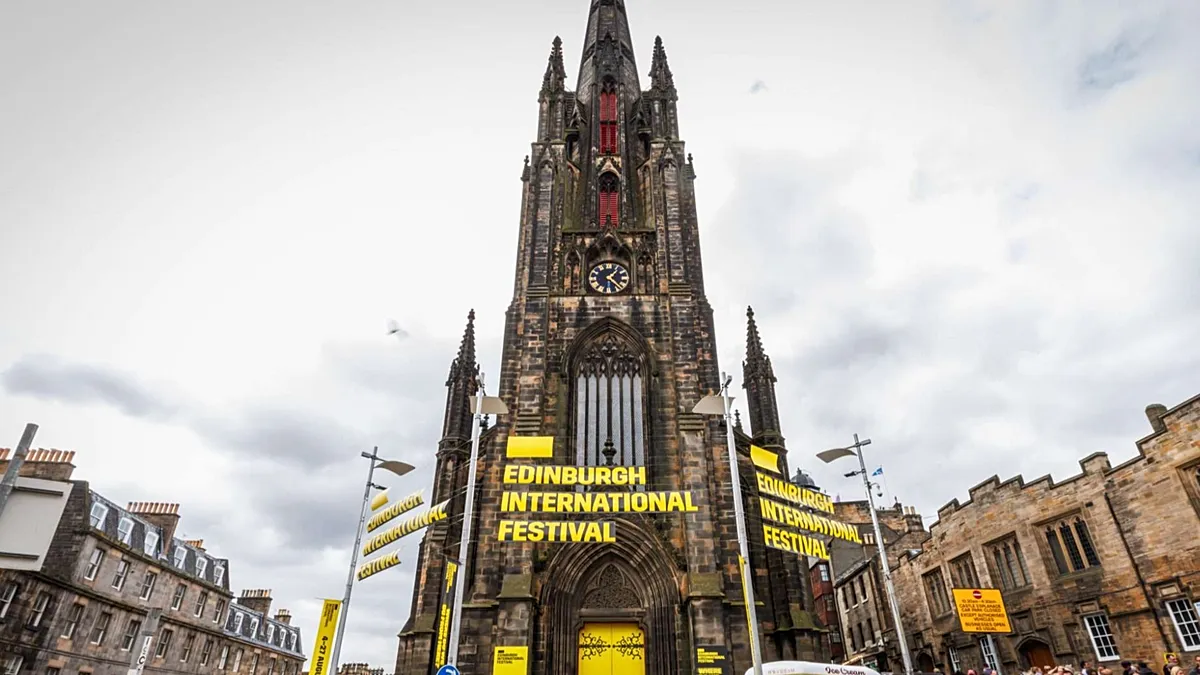
Edinburgh International Festival Announces 2026 as Phone-Free Experience
2026 edition of Edinburgh International Festival – The 2026 edition of the Edinburgh International Festival (EIF) is set to introduce a groundbreaking initiative: a complete ban on mobile phones during performances. This decision, announced by the festival’s organizers, aims to enhance the immersive quality of live art by minimizing distractions caused by digital devices. The policy will apply to all shows in the Queen’s Hall series, ensuring that audience members can fully engage with the performances without interruptions from ringing phones or notifications.
Why the Shift to a Phone-Free Policy?
According to the EIF’s statement, the move is driven by feedback from both audiences and performers. The 2025 Queen’s Hall chamber series saw every concert disrupted by phone activity, leading to frustration among attendees. Organizers argue that this disruption not only affects those in the room but also compromises the quality of recordings broadcast to listeners at home. “Phones interrupt the flow of live music and create a ripple effect on the experience for thousands of people,” the announcement emphasizes.
Under the new “Lights Down, Phones Off” policy, audience members are encouraged to disconnect during the main acts of each performance. However, they are allowed to use their phones before the show begins or during intermissions. The festival will provide guidance, with staff on hand to assist those unsure about silencing their devices or turning them off entirely. “We want to create a space where the art takes center stage,” the organizers note.
Artists Embrace the Policy as a Necessity
Nicola Benedetti, the Grammy-winning violinist and EIF director, has been a vocal advocate for the change. She emphasizes the unique power of live performances and how the collective presence of the audience amplifies the experience. “The Edinburgh International Festival is dedicated to safeguarding the rare magic of live art,” Benedetti explains. “When people are fully present, the energy in the room becomes a shared, tangible force that enriches the performance.”
“Live performance is unlike anything else, and the Edinburgh International Festival is here to protect the rarity of this experience. The power of our programme is intensified by the tangible, collective presence of everyone in the room, and we want you to be with us fully.”
Benedetti also references the words of the late, great Alfred Brendel, whose quote underpins the festival’s philosophy: “The audience’s contribution is concentration and silence – it’s an electricity the musician can charge from.” She adds, “That electricity is real, I’ve felt it from the stage my whole life. We encourage our audiences to switch off their phones, and let the art do the rest.”
The policy reflects a broader trend among performers who believe smartphones detract from the authenticity of live events. This year, US singer Phoebe Bridgers joined the ranks of artists like Bob Dylan, Jack White, Tool, and Placebo by implementing a strict no-phone rule for her European and North American arena tour. These acts have sparked debates about the role of technology in the arts, with some arguing that phone bans create a more focused environment for both performers and listeners.
Debates and Diverging Opinions
While many artists support the phone-free initiative, not all share the same perspective. In 2024, Blur’s Damon Albarn criticized Bob Dylan’s policy, suggesting that restricting phone use might not always be the best approach. “People won’t want to be on their phone if you’re engaging with them correctly,” Albarn told the BBC. He questioned the long-term implications of such bans, asking, “If you start banning things, where does it end?”
Albarn’s comments highlight the tension between technological integration and traditional performance values. While some see phone-free environments as a return to mindfulness and connection, others argue that smartphones can enhance accessibility, allowing for real-time sharing of experiences with a global audience. The EIF’s policy, however, prioritizes the immediate, in-person atmosphere, ensuring that the energy of the performance remains undisturbed.
Implementation and Audience Impact
The festival’s new policy will be enforced through a combination of signage, staff reminders, and audience education. Organizers hope that by setting clear expectations, they can foster a culture of respect and attentiveness. “We’re acting in harmony with our audiences and artists,” Benedetti said. “It’s about creating a shared space where the art can thrive without interference.”
For attendees, the change means a more focused experience. The EIF aims to transform Queen’s Hall into a sanctuary for live art, where every note, gesture, and moment is fully absorbed. “The goal is to let the music and drama speak for themselves,” the statement adds. This approach is expected to draw a new generation of audience members who value deep engagement over quick social media interactions.
Looking Ahead to the 2026 Edition
The 2026 Edinburgh International Festival will run from 7 August to 30 August, offering a diverse programme of dance, opera, music, and theatre. The phone-free environment is part of a larger effort to modernize the festival while preserving its core values. “We’re not rejecting technology,” Benedetti clarified. “We’re simply ensuring that it doesn’t overshadow the experience of live art.”
As the festival prepares for this year’s event, the policy has sparked mixed reactions. While some praise its emphasis on presence and mindfulness, others worry about the potential inconvenience for attendees who rely on phones for communication or documentation. Nevertheless, the EIF remains confident that the shift will enhance the overall atmosphere, creating a space where the magic of live performance can flourish without interruption. “The collective energy of the audience is what makes these moments unforgettable,” Benedetti concluded. “By embracing this policy, we’re helping to protect that special connection.”
With the 2026 edition underway, the festival is poised to set a new standard for immersive art experiences. The phone-free initiative not only aligns with the voices of performers like Brendel and Benedetti but also responds to the evolving needs of audiences in an increasingly digital world. As the dates approach, the hope is that the policy will inspire a renewed appreciation for the power of live art and its ability to unite people in shared moments of creativity and expression.