Even Low Levels of Nighttime Light May Affect Heart Health
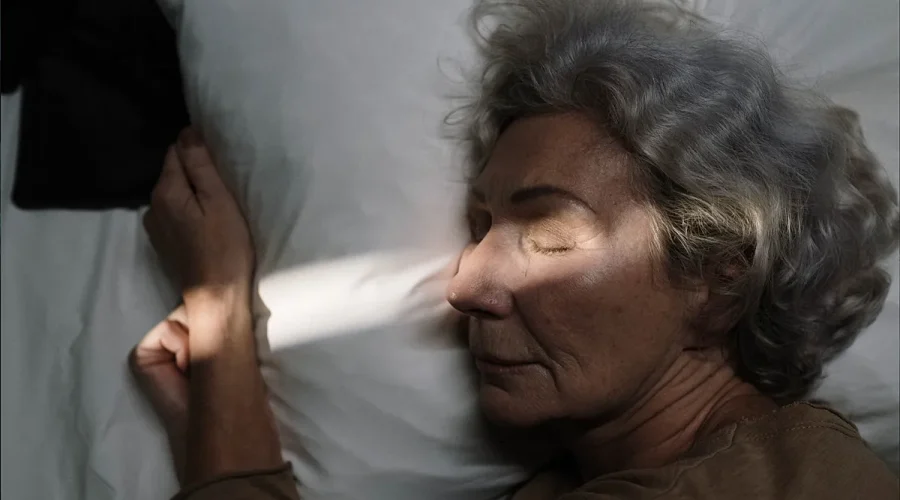
Usagevpn.com – A bedroom illuminated by moonlight, a phone screen, a glowing charger or a sliver of hall light may be brighter than the body needs for restorative sleep. New research published in the European Heart Journal links greater overnight light exposure with changes in heart structure and function that can be early warning signs of cardiovascular strain.
The findings add weight to a simple public-health message: darkness is not merely a preference for sleep. It may be an important part of maintaining long-term heart health.
What the research examined
The study followed 11,071 people whose nighttime light exposure was measured over one week. Their bedroom environments ranged from almost complete darkness to brighter conditions comparable with a phone at low brightness or light entering through a partially open door.
Three years later, the participants underwent cardiovascular magnetic resonance imaging. This type of scan allows researchers to assess the heart’s shape, walls and ability to contract and relax.
People exposed to the most light during the night showed thickening in the walls of the heart’s left chamber. As those walls become thicker, the space inside the left ventricle can become smaller. The scans also indicated reduced flexibility during each heartbeat, a potential early sign of impaired heart function.
These changes do not mean every person sleeping with a light on will develop heart disease. However, the results suggest that repeated exposure to light while the body should be resting may contribute to conditions that place pressure on the cardiovascular system over time.
Why the heart may be affected
Lu Qi of Tulane University in New Orleans, USA, who led the research, described the concern as cardiac remodelling: a change in the heart’s structure and performance that is commonly seen when the organ is exposed to persistent stress or injury.
“Exposure to higher levels of light at nighttime is linked to cardiac remodelling,” Qi said.
Cardiac remodelling can initially represent the body’s attempt to adapt. Yet the process may eventually weaken the heart and raise the risk of heart failure.
“Ultimately it weakens the heart and can lead to heart failure,” Qi said.
The study does not establish that nighttime light alone causes these changes. Still, it highlights sleep surroundings as a potentially modifiable factor, alongside more familiar concerns such as blood pressure, diet, physical activity and smoking.
Darkness as part of a healthy sleep environment
Qi said keeping bedrooms as dark as possible should be considered among the possible approaches clinicians and policymakers can use to help prevent heart disease. For individuals, the practical steps can be modest: reduce unnecessary lights, move phones away from the bed, close doors that allow bright light into the room and consider curtains that limit outdoor illumination.
An accompanying editorial by Professor Thomas Münzel of University Medical Center Mainz in Germany and colleagues argued that darkness should receive greater recognition in conversations about health.
“Darkness deserves recognition as a vital sign, as essential to cardiovascular health as blood pressure control and clean air,” Münzel and colleagues said.
The editorial encouraged healthcare professionals to discuss a patient’s sleep setting, including bedroom darkness, night-shift work and screen use after sunset. These questions may help identify habits or environmental conditions that interfere with the body’s natural night-time rhythm.
For people who need some illumination for safety or comfort, the editorial pointed to warm-coloured bedside lighting as an option. It also recommended blackout curtains and covering the small standby LEDs found on many household devices. Even tiny, persistent sources of light can stand out in an otherwise dark room.
A wider issue for cities and households
Nighttime brightness is not limited to electronics inside the home. Streetlights, commercial signs, neighbouring buildings and traffic can all contribute to light entering bedrooms, particularly in dense urban areas. This makes the issue relevant not only to personal habits but also to city planning and public infrastructure.
The editorial described light pollution as an environmental risk that local authorities can address directly without excessive cost. Shielded outdoor fixtures can direct light toward the ground instead of into homes or the sky. Warm-spectrum bulbs, dimming systems and motion-activated streetlights can also reduce unnecessary exposure while maintaining visibility and safety.
These measures can bring additional benefits because they are energy-efficient and climate-friendly. The aim is not to remove useful outdoor lighting, but to use it more carefully and only where it is needed.
Small changes may be worth considering
For many people, total darkness may not be realistic every night. Travel, shared living spaces, work schedules and safety needs can make a perfectly dark bedroom difficult to achieve. The study’s message is less about perfection than awareness: nighttime light is a health-related part of the environment, not simply a nuisance.
Checking the room before sleep can be a useful first step. A phone left face-up, an uncovered television standby light, a bright digital clock or curtains that fail to block outside light may all be easy to address. Making the room darker could support sleep while also reducing a possible source of long-term cardiovascular stress.
Related Reading
Frequently Asked Questions
What is Moonlight phone screens and standby LEDs?
Moonlight phone screens and standby LEDs is the main topic of this guide. The article explains the context, practical details, and next steps readers should understand.
Why does Moonlight phone screens and standby LEDs matter?
Moonlight phone screens and standby LEDs matters because readers are looking for a useful answer, not just a short summary. Good content should match search intent and help them decide what to do next.