Hong Kong court hands lengthy prison terms to Tiananmen vigil figures
Usagevpn.com – Three prominent figures linked to Hong Kong’s former annual Tiananmen Square memorial events have received prison sentences ranging from five years to more than seven years after convictions under the city’s national security law.
Lee Cheuk-yan, 69, Chow Hang-tung, 41, and Albert Ho, 74, were sentenced on Friday in a case that has prompted criticism from the United Nations, rights groups and governments abroad. All three have remained in custody since their first charges were brought in 2021.
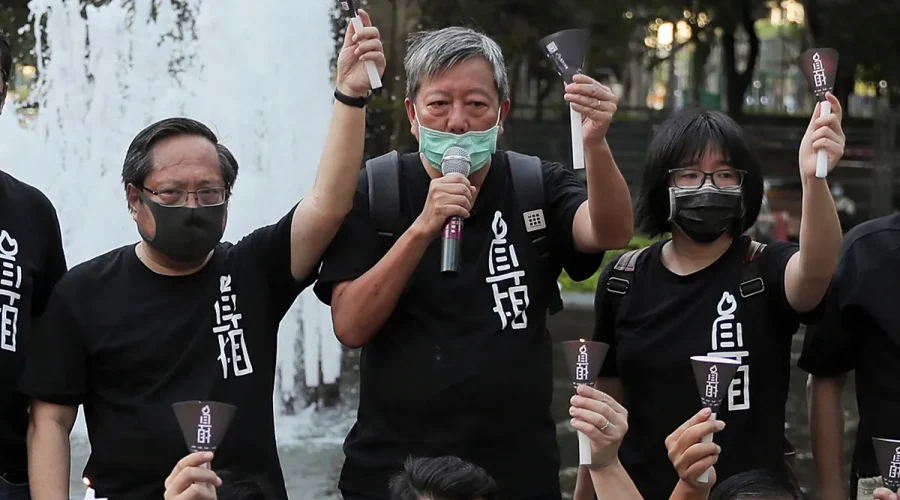
The proceedings focus on the activists’ role in the now-disbanded Hong Kong Alliance, which for decades organised the city’s candlelight gathering each 4 June. The event commemorated people killed in 1989 when Chinese troops and tanks moved against demonstrations calling for political reform in and around Beijing’s Tiananmen Square.
Sentences following security-law convictions
Lee, who denied the charges, was given seven years in prison. Chow, also convicted after pleading not guilty, received seven years and three months. Ho, a former lawmaker who entered a guilty plea in January, was sentenced to five years and two months.
In August, the court concluded that the activists had violated the Chinese constitution through calls to end one-party rule. Their convictions were secured under the expansive security legislation imposed on Hong Kong by Beijing.
Chow, a barrister who conducted her own defence, made clear during a hearing last month that she did not accept the court’s conclusions.
“Nothing to repent for.”
Before the sentencing hearing began, Lee, Chow and Ho smiled and waved toward supporters as they entered the courtroom and took their seats in the dock.
A movement built around the June 4 memorial
For many years, Hong Kong and Macau stood apart as the only places under Chinese sovereignty where public vigils remembering the Tiananmen crackdown could be held openly. In Hong Kong, the annual Victoria Park gathering became the best-known of those observances, drawing participants with candles and public speeches.
That space has sharply narrowed since the national security law took effect. Public events marking the anniversary have effectively been prohibited in Hong Kong, while the alliance that organised the vigils has been dissolved.
The Hong Kong Alliance’s work extended beyond the yearly gathering. It operated a museum dedicated to the 1989 crackdown and arranged related activities, including an annual cleaning of the “Pillar of Shame,” a memorial sculpture honouring those killed.
The statue had stood for years at the University of Hong Kong. It was taken down and removed from its site late in 2021, and other local universities subsequently removed comparable memorial objects from their campuses.
Dispute over archives and the memorial statue
Prosecutors have sought confiscation of material connected to the case, including the “Pillar of Shame” and records held by the Hong Kong Alliance’s museum. Judge Alex Lee said the future of the sculpture will be determined after ownership is resolved.
The dispute illustrates that the case reaches beyond the prison terms imposed on the three defendants. It also concerns objects, records and public symbols that helped preserve the memory of the 4 June events in Hong Kong.
Chow argued before Friday’s sentencing that the prosecution was intended to suppress that memory, particularly through the interpretation of political language used by the activists.
“The authorities’ true intentions were finally laid bare as this prosecution is an attempt to erase memories, particularly those of June 4, by reading too much into certain slogans.”
The sentences mark another major development in the legal cases surrounding the former vigil organisers. Lee, Chow and Ho were among the most recognisable leaders associated with the alliance, whose annual event once represented a highly visible public act of remembrance in Hong Kong.
For supporters, the case underscores the disappearance of a longstanding civic tradition. For the authorities, it reflects the enforcement of the security law against conduct they consider unlawful. The pending decision over the statue and museum material will determine what happens to some of the physical remnants associated with the city’s former Tiananmen commemorations.
Related Reading
Frequently Asked Questions
What is Hong Kong gives Tiananmen vigil activists?
Hong Kong gives Tiananmen vigil activists is the main topic of this guide. The article explains the context, practical details, and next steps readers should understand.
Why does Hong Kong gives Tiananmen vigil activists matter?
Hong Kong gives Tiananmen vigil activists matters because readers are looking for a useful answer, not just a short summary. Good content should match search intent and help them decide what to do next.