US Strikes Southern Iran; Tehran Retaliates
Usagevpn.com – US launches new strikes in southern Iranian coastal positions after American warplanes delivered sustained salvos against IRGC radar and air-defense sites along the country’s southern shoreline on Tuesday. Within hours, Tehran answered with missiles and drones aimed at military installations in Jordan, Bahrain, and Kuwait, shattering the fragile pause that had followed a six-month war.
Why CENTCOM Ordered the Sorties
US Central Command framed the operation as a direct countermeasure to recent IRGC attempts to disrupt commercial shipping through the Strait of Hormuz and to threaten American troops deployed in the region. The strait, roughly 33 nautical miles at its narrowest point between Iran and Oman, carries about a fifth of global oil trade and has been a recurring flashpoint since the broader conflict began.
“Recent attempted attacks by the IRGC against commercial shipping in the Strait of Hormuz and against American service members deployed to the region.”
President Donald Trump added a pointed strategic rationale during a Tuesday phone interview with Fox News. He said Washington had briefed its Gulf partners before launching the sorties and that planners deliberately waited until radar installations—largely destroyed in earlier US-Israeli campaigns—were nearly rebuilt, maximizing disruption to Tehran’s air-defense architecture.
Retaliation Across Jordan, Kuwait, and Bahrain
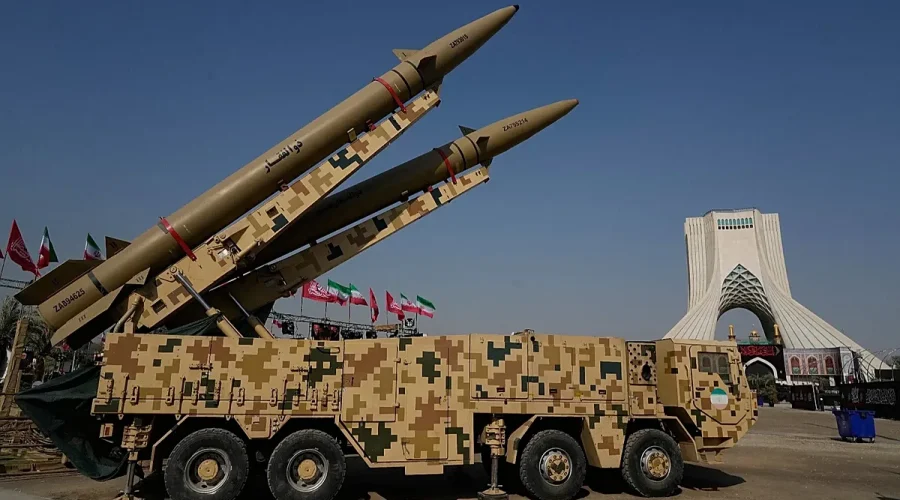
Tehran’s retaliatory salvo expanded the conflict’s geography well beyond the immediate Iran-US axis. Iranian semi-official outlets confirmed missiles and drones were launched toward three neighboring states. In Jordan, explosions were heard above the southern port city of Aqaba and air-raid sirens wailed through Mafraq; the Jordanian Armed Forces announced it had intercepted 13 ballistic missiles that crossed into the kingdom’s airspace.
Kuwait’s army issued emergency public alerts declaring it was actively intercepting what it termed an “Iranian aggression.” Bahrain, home to the US Fifth Fleet headquarters, also came under fire, though no further details on damage or casualties were immediately available.
Civilian Toll and Iranian Account
Iranian state media painted a starker picture of the American strikes than CENTCOM’s brief. According to Tehran’s broadcasters, US aircraft first targeted civilian sites along the southern coast and struck a civilian airport. Explosions were reported across a wide swath of the region, including Bandar Abbas, Sirik, Qeshm Island, Asaluyeh, Lavan, Jask, and Jiroft.
The most harrowing claim came from Kuhestak, a town in southern Iran where, Iranian authorities said, a US strike struck a private home during a wedding ceremony. At least four people were killed, including a child, and several others were wounded. Independent verification of the casualty figures was not immediately available. The IRGC declared through Iranian media channels that the strikes had “tightened the grip on the Strait of Hormuz” and warned that Washington would “regret” its actions.
Political Reactions on Both Sides
In Tehran, Ayatollah Mojtaba Khamenei took to the social platform X to threaten “unforgettable lessons for the American enemy.” In Washington, President Trump posted on Truth Social that if Tehran retaliated for what he characterized as “this very justified attack,” Iran would “be hit again at a much harder and higher level.”
Iranian President Masoud Pezeshkian offered a more conciliatory note earlier in the day, stating that his country remained prepared to return to the ceasefire framework brokered with the United States in June, provided Washington honored its terms. That June agreement, the product of months of back-channel diplomacy, had temporarily halted the exchanges defining the six-month war. Tuesday’s strikes raised immediate questions about whether either side still views the arrangement as viable.
Frequently Asked Questions
What did the US strike in southern Iran? American warplanes targeted IRGC radar installations and air-defense positions along the southern coastline, including areas around Bandar Abbas, Qeshm Island, and Asaluyeh. CENTCOM said the strikes were a response to IRGC attempts to disrupt shipping in the Strait of Hormuz.
Which countries were hit by Iranian retaliation? Jordan, Kuwait, and Bahrain all reported incoming missiles and drones. Jordan’s air defenses intercepted 13 ballistic missiles; Kuwait and Bahrain issued emergency alerts but did not immediately confirm damage or casualties.
Is the June ceasefire still in effect? President Pezeshkian said Iran remains willing to return to the June ceasefire framework, but the renewed exchanges cast serious doubt on whether either side considers the arrangement viable.
How many people were killed in the US strikes? Iranian authorities reported at least four deaths, including a child, in Kuhestak when a strike hit a private home during a wedding. Independent verification of the figures was not immediately available.