Met Gala Retrospective Cancelled as Galliano and Museum Withdraw Joint Exhibition
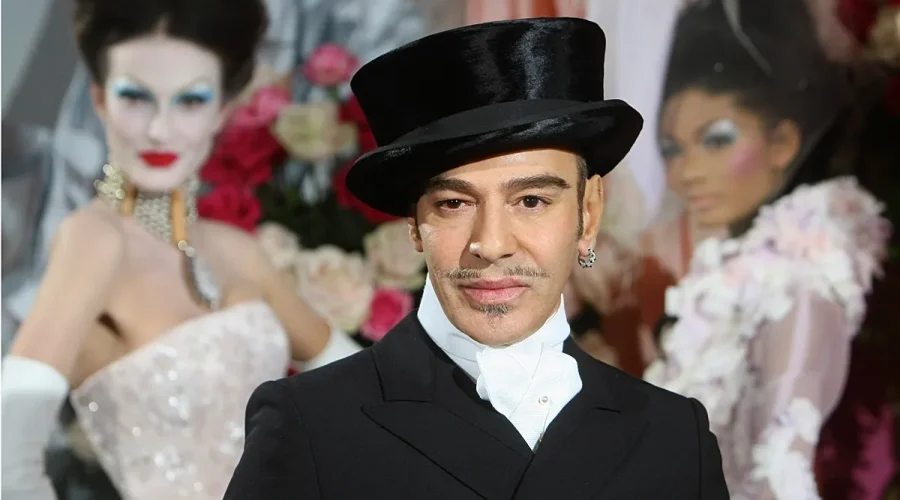
Usagevpn.com – The Metropolitan Museum of Art in New York has scrapped a planned career retrospective of British designer John Galliano, ending a project that was slated to anchor next year’s Met Gala. The decision, announced jointly by the museum and the 65-year-old designer, comes after weeks of public scrutiny over whether a major institutional showcase was appropriate for a figure whose career was derailed by a widely witnessed outburst of racist and antisemitic remarks in 2011.
The exhibition, titled “John Galliano: Horizons,” was originally intended to survey the most celebrated moments of Galliano’s work across fashion houses including Givenchy and Dior. Its announcement last month triggered immediate backlash, with critics questioning why a museum would dedicate a gala-scale presentation to a designer whose public conduct had drawn both criminal conviction and sustained community outrage.
Museum and Designer Issue Joint Statement
Max Hollein, director and CEO of the Metropolitan Museum, confirmed the cancellation in a written announcement on Monday.
“Following thought discussions with John Galliano, we have together decided not to proceed with the exhibition,” Hollein stated, adding that the planned show would be replaced by an as-yet-untitled exhibition.
Galliano echoed the decision on his own social media channels, framing the withdrawal as a personal act of accountability rather than a concession to external pressure.
“After much reflection and discussion with The Met and all those involved, I have decided, with great sadness, that it is best for the exhibition not to take place at this time,” he wrote. “I remain fully accountable for the pain caused by my words in the past, particularly the hurt I caused to the Jewish and Asian communities, and I remain deeply sorry for it.”
A Career Built on Spectacle, Toppled by a Café Argument
Galliano’s trajectory through the fashion world remains one of the industry’s most dramatic arcs. Throughout the 1990s, his work at Givenchy — where he served as creative director — earned him a reputation for theatrical, boundary-pushing design that fused historical costume references with contemporary luxury tailoring. LVMH, the French conglomerate behind Louis Vuitton and Dior, promoted him to lead the Dior womenswear division within roughly two years of his Givenchy tenure. Under his direction, Dior collections became fixtures of pop-culture conversation, and Galliano’s name became synonymous with maximalist spectacle on the runway.
The collapse came abruptly. In September 2011, days before he was scheduled to present his autumn/winter collection at Paris Fashion Week, video surfaced showing Galliano in a Paris café, visibly intoxicated, directing a stream of slurs at a couple seated nearby. Among the remarks captured on camera was the sentence “I love Hitler,” delivered while gesturing toward the diners. He also told them their families would have been sent to gas chambers.
Dior dismissed him within days. French prosecutors subsequently brought charges of public insults based on origin, religious affiliation, race, or ethnicity. At trial, the state prosecutor described the remarks as “pitiful and dreadful.” The court convicted Galliano and imposed a fine of €6,000, rejecting his defense that he had been in a fragile emotional state following the recent death of a close friend.
Rehabilitation, Apology, and Lingering Doubt
By 2013, Galliano had begun a cautious return to public view. Anna Wintour, then editor of Vogue, facilitated a temporary residency at the New York studio of Dominican-born designer Oscar de la Renta ahead of the autumn 2013 New York Fashion Week. The resulting collaboration drew favorable critical attention, with reviewers noting that Galliano’s characteristic dramatic flair had been channeled into de la Renta’s ready-to-wear line.
In subsequent years, Galliano has offered repeated public apologies, attributing the 2011 episode to alcoholism and drug addiction. Several prominent Jewish leaders have stated they regard his contrition as sincere. Yet the Met’s initial decision to mount a career retrospective — describing Galliano in promotional language as “one of the most inventive and influential designers of the past four decades” while characterizing his antisemitism merely as “derogatory conduct” — struck many observers as a mismatch between institutional prestige and moral proportionality.
Yad Vashem USA Foundation Issues Sharp Rebuke
The Yad Vashem USA Foundation, which supports Yad Vashem, the World Holocaust Remembrance Center in Jerusalem, published a statement criticizing the museum’s original plan and its subsequent reversal.
“The Met deserves no praise for abandoning an exhibition it never should have conceived. It still owes Holocaust survivors, the Jewish community and the public an apology for planning to use the Met Gala to honor a man who said, ‘I love Hitler’ and told people their families would have been gassed, on the evening Yom HaShoah begins.”
The foundation went further, questioning the museum’s framing of the incident.
“The Met called John Galliano ‘one of the most inventive and influential designers of the past four decades’ while reducing his antisemitism to ‘derogatory conduct.’ A disclaimer is not accountability. At a time of rising antisemitism, culture should awaken conscience and build bridges, not use its prestige to rehabilitate someone who praised Hitler. The exhibition is gone, but the Met’s moral failure remains.”
What the Cancellation Signals
The Met Gala, held each May in conjunction with the opening of the Costume Institute’s annual exhibition, functions as both a fundraising event and a cultural signal — a platform where fashion, celebrity, and institutional authority converge. Choosing which designer or theme to spotlight carries implicit endorsement. That the museum ultimately walked back its selection, even after months of planning, underscores how quickly reputational risk can attach to a figure whose past conduct touched communities still living with the consequences of antisemitism.
For Galliano, the episode closes another chapter in a pattern of public apology followed by quiet re-entry into the industry’s orbit. Whether the withdrawal of “Horizons” represents a genuine reckoning or a pragmatic retreat from controversy will likely remain a matter of debate among fashion commentators, Holocaust-remembrance advocates, and the broader New York arts establishment through the coming season.
Related Reading
Frequently Asked Questions
What is I remain deeply sorry?
I remain deeply sorry is the main topic of this guide. The article explains the context, practical details, and next steps readers should understand.
Why does I remain deeply sorry matter?
I remain deeply sorry matters because readers are looking for a useful answer, not just a short summary. Good content should match search intent and help them decide what to do next.