August Full Moon 2026: Free Entry to 126 Greek Sites
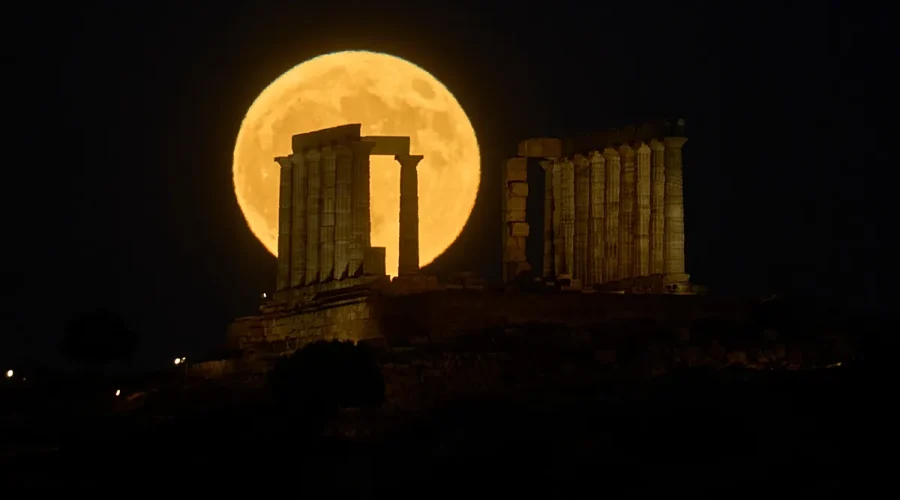
Usagevpn.com – The August full moon 2026 edition transforms Greece’s archaeological and museum landscape into a weekend-long cultural festival. Across the country, 126 sites — from island fortresses to mainland basilicas — unlock their gates at no cost, inviting visitors to walk through history after dark. What begins as a celestial event becomes, for one weekend, a nationwide invitation to experience millennia-old ruins and marble façades under open sky.
Scale and Programming
Now in its 27th consecutive year, the programme is coordinated by Greece’s Ministry of Culture and has grown from a modest local observance into one of the country’s most anticipated annual gatherings. Of the 126 participating locations, 61 host programmed events — concerts, theatrical performances, dance presentations, and special exhibitions staged specifically for the occasion. The remaining 65 sites, comprising archaeological excavations, standing monuments, and museum collections, simply open their doors for free evening access. No ticket, no reservation, no fee.
Peak activity for the August full moon 2026 programme lands on Friday, 28 August 2026, when dozens of venues simultaneously welcome evening visitors. The schedule extends through Sunday, 30 August, giving travellers and residents a full weekend window to explore sites they might otherwise never visit. Opening hours vary by location, with most venues admitting guests from 19:30 or 20:00 and closing between 23:00 and midnight. The staggered timing spreads visitor flow across the evening and accommodates the staffing realities of remote archaeological sites.
Cultural Context
The association between the brightest night of the summer calendar and Greek heritage runs deep in folk tradition. For centuries, village festivals, open-air gatherings, and communal storytelling have centred on this celestial moment, when the boundary between the ordinary and the numinous is understood to thin. The Ministry’s annual programme channels that impulse into a structured cultural offering, pairing the natural spectacle with curated access to sites normally closed after daylight hours or requiring paid entry.
A concert performed inside a fifth-century basilica or a dance piece staged on the steps of an ancient theatre carries an acoustic and atmospheric charge that no daytime programme can replicate. The event effectively converts Greece’s vast archaeological and museum infrastructure into a temporary, ticket-free open-air festival network.
Behind the scenes, two directorates within the Ministry of Culture shoulder the logistical and curatorial weight: the General Directorate of Antiquities and Cultural Heritage oversees archaeological sites and heritage monuments, while the General Directorate for Restoration, Museums, and Technical Works handles museum operations and conservation infrastructure. Local municipalities, regional authorities, and independent cultural institutions contribute additional programming, funding, or venue access, creating a layered partnership that stretches from Athens to the smallest island municipality.
Practical Information and FAQ
The complete schedule of activities, participating venues, and site-specific opening times is published on the Ministry of Culture’s official website, culture.gov.gr. Because the programme spans 126 locations across mainland Greece and the islands, travellers should verify site-specific listings before planning a route. Some remote archaeological sites require a short walk from the nearest parking area, and evening temperatures in August, while warm, shift noticeably after midnight. Comfortable footwear and a light layer are advisable.
Is entry truly free? Yes. Both the 65 open-access sites and the 61 programmed-event venues charge nothing for the August full moon 2026 weekend. Individual sites may impose capacity limits to protect fragile structures or manage crowd density, but no fee applies.
Do I need to book ahead? No reservation is required. Visitors simply present themselves at the gate. Arriving early, however, secures a reasonable position for performances while still allowing time to explore the surrounding site at one’s own pace.
What should I bring? Comfortable footwear and a light layer. Some remote sites involve a short walk from parking, and post-midnight temperatures drop. Check the specific venue’s opening time on culture.gov.gr before departing, as hours differ by location.
Related Reading
Frequently Asked Questions
What is August full moon 2026?
August full moon 2026 is the main topic of this guide. The article explains the context, practical details, and next steps readers should understand.
Why does August full moon 2026 matter?
August full moon 2026 matters because readers are looking for a useful answer, not just a short summary. Good content should match search intent and help them decide what to do next.