Five Years of Taliban Rule: Celebrations in Kabul, Isolation on the World Stage
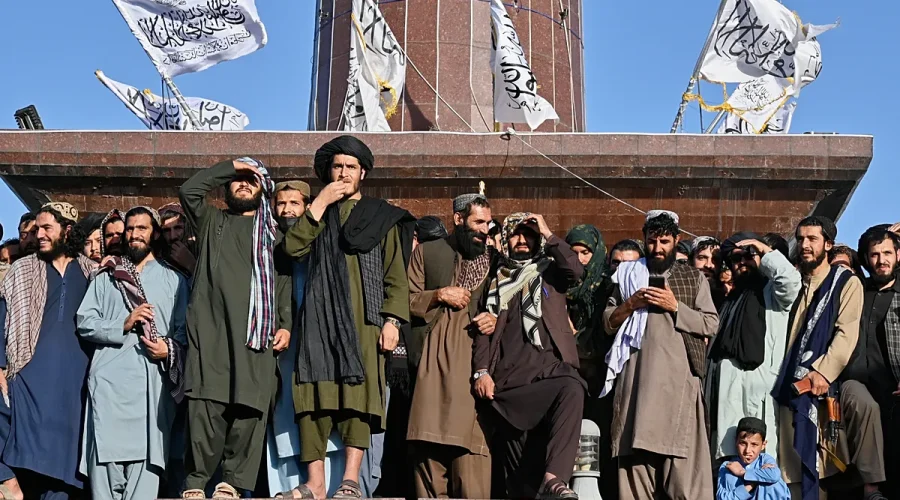
Usagevpn.com – Kabul’s streets turned into a sea of green flags and honking cars this Saturday as thousands of Afghans marked the fifth anniversary of the Taliban’s return to power. The movement, which seized control of the country in August 2021 following the departure of American forces and their allied contingents, framed the occasion as a milestone of “restored stability and an end to decades of conflict.” Outside the compound of the former United States embassy, a parade of male athletes marched through the capital — a deliberately all-male spectacle made possible by the administration’s blanket prohibition on women participating in organised sport.
Celebrations were not confined to the capital. Provincial centres across Afghanistan displayed Taliban banners and posters bearing slogans that laud the movement’s comeback to governance after twenty years of war. The public display was designed to project an image of consolidated authority, even as the government remains locked out of formal diplomatic recognition by nearly every major power.
Diplomatic Limbo: Unofficial Ties, No Formal Recognition
Half a decade into their rule, the Taliban administration still operates in a state of diplomatic ambiguity. A handful of neighbouring and regional states maintain back-channel contacts with Kabul, yet only Russia has extended full formal recognition as the legitimate government of Afghanistan. On the anniversary itself, Zia Ahmad Takal, spokesman for the Taliban foreign ministry, used the occasion to court foreign capital:
“Invest, and make extensive use of the available economic opportunities” in Afghanistan.
The appeal lands in a country whose economy has contracted sharply since 2021, where aid flows have dried up after Western donors suspended direct funding over governance concerns, and where reconstruction projects that once employed millions of workers have largely stalled. Without formal recognition, Afghanistan remains excluded from most multilateral lending institutions and cannot access the full range of international trade agreements.
A Deepening Human Rights Crisis
The anniversary celebrations arrived alongside a stark assessment from the United Nations. Richard Bennett, the UN special rapporteur on the human rights situation in Afghanistan, posted a video message to social media in which he described the country as undergoing “a deep human rights crisis.” His words echoed findings from successive annual reports documenting systematic restrictions on women’s freedoms.
The education sector bears some of the sharpest cuts. UNESCO, the UN body responsible for education and culture, estimates that roughly 2.4 million girls have been shut out of secondary schooling since the Taliban imposed a ban on female education beyond sixth grade — a prohibition later extended to bar women from universities altogether. The exclusion represents one of the largest single reversals in girls’ school enrolment anywhere in the world over such a short period.
Beyond classrooms, women face sweeping restrictions on public life. Access to parks, gyms, and many other public venues is barred. Women may not travel between provinces or cities without a male guardian accompanying them. Participation in sports of any kind is prohibited outright. These measures, introduced within weeks of the Taliban’s 2021 takeover despite explicit pledges at the time to permit women access to education and employment, have become the single most cited obstacle to broader international acceptance of the government.
Humanitarian Deterioration
The human cost extends well beyond rights and freedoms. The UN World Food Program reports that child malnutrition has reached critical thresholds in one-third of Afghanistan’s provinces and is projected to worsen as donor funding continues to fall short of requirements. With the economy contracting and remittance flows disrupted by regional instability, millions of households face food insecurity on a daily basis.
Western Positions: Solidarity Without Normalisation
European governments have been careful to distinguish between operational contact and political endorsement. The French Foreign Ministry issued a statement over the weekend reaffirming solidarity with Afghan citizens while insisting that no normalisation of relations would occur unless the Taliban honoured their international commitments on human rights, counter-terrorism cooperation, and inclusive governance.
The European Union reiterated its own position earlier in the week:
“Does not recognise or legitimise the Taliban-run de facto authorities but it maintains operational contact with them on its core values and interests, including women’s and girls’ rights.”
That stated posture, however, sits in tension with practical steps already taken. In June, EU officials and Taliban representatives met in Brussels to negotiate accelerating the deportation of Afghan migrants back to their home country — a move critics described as an implicit normalisation of ties with the regime, regardless of what official communiqués say.
The Withdrawal That Started It All
The chain of events leading to the Taliban’s return began with the US decision to complete its military withdrawal after two decades of war. Then-President Joe Biden estimated the total cost of that conflict at approximately one trillion dollars. The final pullout produced scenes of chaos at Kabul airport, where desperate crowds pressed against fences and aircraft in an attempt to flee before the gates closed. Those images became defining visuals of a transition that left millions of Afghans uncertain about their futures under a government whose treatment of women and minorities would soon diverge sharply from the assurances offered during brief negotiations in Doha.
Five years later, the Taliban celebrate stability on their own terms while the international community debates whether engagement without recognition is a pragmatic bridge or a quiet concession. For ordinary Afghans — particularly girls excluded from classrooms and women barred from public spaces — the anniversary marks less a triumph than a reminder of how far the country’s trajectory has moved from the promises made at the moment power changed hands.
Related Reading
Frequently Asked Questions
What is Taliban mark five year anniversary of regaining?
Taliban mark five year anniversary of regaining is the main topic of this guide. The article explains the context, practical details, and next steps readers should understand.
Why does Taliban mark five year anniversary of regaining matter?
Taliban mark five year anniversary of regaining matters because readers are looking for a useful answer, not just a short summary. Good content should match search intent and help them decide what to do next.