Austria’s Iconic Gorge Reveals Climate Shift as Water Vanishes from Ancient Landscape
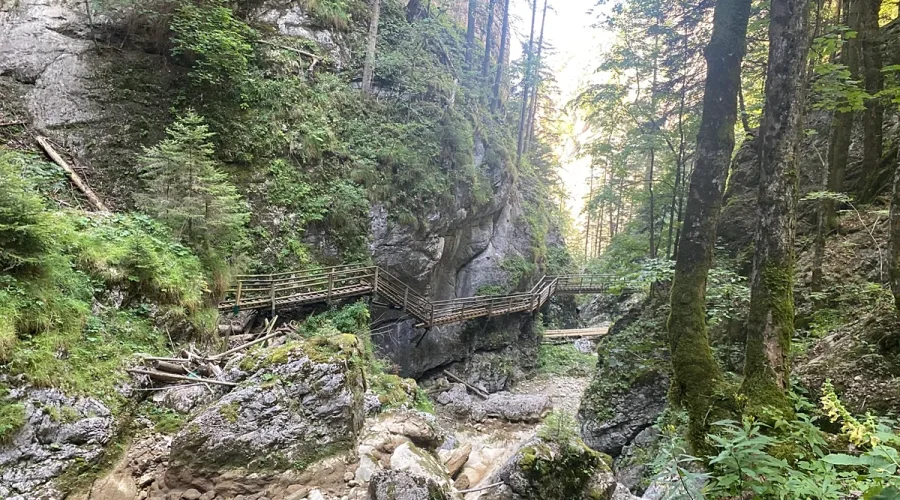
Usagevpn.com – Visitors arriving at Bärenschützklamm, Austria’s most celebrated gorge, typically expect to navigate cascading waterfalls and cross icy mountain streams. This season, however, presents a strikingly different scene. The water that draws approximately 40,000 annual visitors has largely disappeared, leaving behind cracked creek beds and silent waterfall cascades that once thundered through the narrow passage.
Walking through the gorge now feels more like traversing a desert trail than exploring a mountain waterway. The dry creek beds allow hikers to stroll along what would normally be submerged channels, while the once-mighty waterfalls hang motionless against weathered rock faces.
Alpine Regions Face Growing Climate Pressure
Gerhard Jantscher, who serves as chairman of the Austrian Alpine Club Österreichischer Alpenverein’s Mixnitz section, has witnessed these changes firsthand. He explains that the Alpine region is experiencing accelerated transformation driven by multiple environmental factors.
The Alps are suffering in the face of global warming, summer heatwaves, drought and the lack of snow and rain. The landscape – formed over hundreds of years – is changing fast.
By late July, water flow through Bärenschützklamm had completely stopped, a direct consequence of insufficient precipitation. The gorge’s water supply originates from the Mixnitz Stream, which begins its journey on the Sommeralm plateau before passing through the Teichalm region and finally reaching the gorge. This natural system depends heavily on consistent rainfall, as both the Sommeralm and Teichalm areas must absorb precipitation and gradually release it into the stream.
Recovery Requires Sustained Rainfall
Restoring normal water levels will demand patience. Experts estimate that at least seven consecutive days of steady rainfall would be necessary to bring the gorge back to its typical state. Until then, visitors will experience a modified version of this natural wonder.
Despite the absence of flowing water, the gorge remains captivating. The experience of navigating between and beneath towering rock formations and ancient trees reveals nature’s raw power in a different form. The trail system, featuring wooden ladders constructed more than a century ago, continues to provide access through this dramatic landscape.
Safety Investments Following Tragedy
The gorge’s reopening this year follows a period of closure triggered by a fatal accident in 2020. During the shutdown, authorities invested over two million euros to enhance trail safety. Jantscher notes that planning for these improvements began in 2021, with the Mixnitz Section of the Austrian Alpine Club raising funds through dedicated community efforts.
We began planning the safety measures and the construction of the walkway system in 2021. We, the Mixnitz Section of the Austrian Alpine Club (ÖAV), were able to raise these funds through our own personal efforts in order to make the Bärenschützklamm accessible to tourists.
Since being designated a natural monument in 1978, Bärenschützklamm has required annual inspections of its wooden ladders and rock formations. Sigi Wentner, who serves as deputy chairman and mountain rescue warden, works alongside Jantscher on a voluntary basis to maintain this important site.
Historical Climate Patterns Show Unusual Trends
Before contemporary climate impacts intensified, the Austrian mountains typically received between 1,000 and 1,500 millimeters of precipitation annually. Winter traditionally represented the driest season, while summer brought abundant rainfall through afternoon thunderstorms.
Recent data tells a different story. According to GeoSphere Austria’s measurements from January 1 through June 30, 2026, the country experienced precipitation levels 27 percent below the long-term average. While this deviation alone might seem manageable, certain regions have encountered conditions not seen since 1885.
Looking Toward the Future
Maintaining Bärenschützklamm’s safety and accessibility requires ongoing collaboration with geological experts. These consultations occur each spring to monitor rock face stability, tree health, and water patterns, enabling proactive intervention when changes emerge.
Every year, the Bärenschützklamm undergoes a geological and technical inspection by the relevant authorities and is officially approved for public access.
The gorge’s current dry state serves as a visible indicator of broader environmental shifts affecting the entire Alpine region. As tourism continues to grow, balancing visitor access with environmental preservation becomes increasingly important. The wooden ladders that have served hikers for over a century now stand as symbols of both human ingenuity and nature’s enduring presence, even as climate patterns reshape the landscape they traverse.
For visitors planning future trips, the experience of Bärenschützklamm may vary significantly depending on seasonal rainfall. Yet the fundamental beauty of this natural monument remains constant, offering a window into how ancient geological formations respond to changing environmental conditions. The gorge’s story is not just about water levels rising and falling, but about a landscape adapting to new realities while maintaining its character as one of Austria’s most treasured natural destinations.
Related Reading
Frequently Asked Questions
What is Dried up creeks and missing waterfalls?
Dried up creeks and missing waterfalls is the main topic of this guide. The article explains the context, practical details, and next steps readers should understand.
Why does Dried up creeks and missing waterfalls matter?
Dried up creeks and missing waterfalls matters because readers are looking for a useful answer, not just a short summary. Good content should match search intent and help them decide what to do next.