Extended Evening Hours Bring Relief to Colosseum Visitors Amid Italian Heatwave
Usagevpn.com – Summer visitors to Rome are finding new ways to experience one of the world’s most iconic monuments as temperatures climb to uncomfortable levels. The ancient Colosseum has responded to the increasingly hot Mediterranean summers by expanding its evening tour schedule, allowing guests to explore the magnificent structure during cooler nighttime hours. This initiative comes as the Italian capital experiences what meteorologists are calling some of the most intense heat periods in recent memory.
A New Schedule for a Historic Landmark
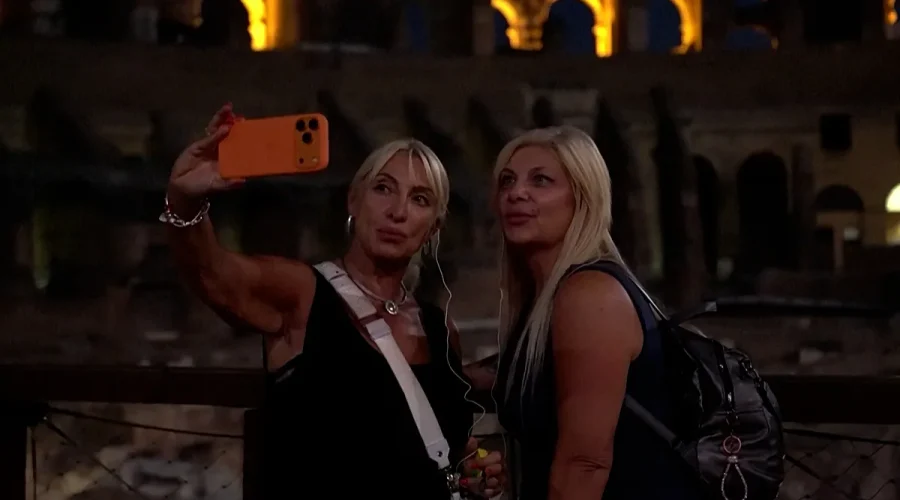
The expanded programme now offers guided excursions four evenings each week, with the final tours departing at eleven o’clock in the evening. Previously, the archaeological site provided nighttime access on only two separate evenings, but the new schedule has effectively doubled visitor opportunities. The additional nights include Tuesday, Thursday, Friday, and Saturday, giving tourists more flexibility when planning their itineraries.
Each evening tour accommodates a maximum of two hundred and seventy-five participants, and demand has been so strong that the entire summer schedule has already reached capacity. This full booking status reflects both the popularity of the Colosseum and the practical appeal of experiencing the monument away from the midday sun. The underground passages and arena floor become particularly accessible during these extended hours, as the stone surfaces retain less heat after sunset.
Leadership Perspective on the Initiative
The extension was designed to give visitors a cooler alternative during Rome’s heatwaves.
Simone Quilici, who serves as the director of the Colosseum Archaeological Park, emphasized that the programme addresses a growing concern for both tourists and local residents. As global temperatures continue rising, cultural institutions across southern Europe are adapting their operations to maintain accessibility during increasingly extreme weather conditions.
The financial backing for this extended schedule comes from Italy’s culture ministry, demonstrating governmental recognition of the need to modernize heritage site management. Officials have indicated that the programme could potentially continue through September, depending on weather patterns and visitor feedback. This timeline would allow the initiative to cover the entirety of Rome’s peak tourist season, when the combination of international visitors and domestic travelers creates the highest foot traffic at archaeological sites.
Historical Significance and Modern Capacity
Constructed during the first century of the Common Era, the Colosseum stands as the largest amphitheatre ever built in the ancient world. Its original design accommodated approximately fifty thousand spectators, making it one of the most impressive engineering achievements of Roman civilization. Today, the monument welcomes up to twenty thousand visitors daily during the height of the tourist season, a remarkable figure that underscores its enduring global appeal.
The underground network beneath the arena floor, known as the hypogeum, contains elaborate passageways and chambers that once housed gladiators and wild animals before combat. These subterranean areas are particularly valuable during summer months, as the stone construction provides natural cooling. Visitors on evening tours can walk through passages that have remained relatively stable in temperature for nearly two millennia, offering a tangible connection to ancient Roman engineering solutions for climate management.
Broader Implications for Roman Tourism
The Colosseum’s decision to extend its hours reflects a growing trend among Mediterranean cultural institutions. Cities from Athens to Barcelona are reconsidering how they manage visitor flow during increasingly hot summers. The financial model demonstrated by this programme—combining ministry funding with operational flexibility—could serve as a template for other heritage sites facing similar challenges.
Local businesses in Rome have also begun adapting to the new schedule. Restaurants and transportation services near the monument are adjusting their hours to accommodate the later visitor departures, creating a ripple effect throughout the city’s tourism infrastructure. The extended evening access allows for a more distributed visitor experience, reducing congestion during traditional midday hours when temperatures typically peak.
As climate patterns continue to evolve, institutions like the Colosseum Archaeological Park are positioning themselves to remain accessible and enjoyable for future generations of visitors. The current programme represents not merely a seasonal adjustment, but a forward-looking approach to heritage preservation in an era of changing weather patterns.
Related Reading
Frequently Asked Questions
What is Rome s Colosseum extends cool night?
Rome s Colosseum extends cool night is the main topic of this guide. The article explains the context, practical details, and next steps readers should understand.
Why does Rome s Colosseum extends cool night matter?
Rome s Colosseum extends cool night matters because readers are looking for a useful answer, not just a short summary. Good content should match search intent and help them decide what to do next.