Brussels Defends Regulatory Autonomy as Washington Intensifies Trade Demands
Usagevpn.com – European Union officials mounted a firm defense of their regulatory framework on Friday, responding to mounting pressure from Washington over trade practices and environmental legislation. The United States has renewed its criticism of Brussels, arguing that European rules are facilitating Chinese companies’ efforts to circumvent American tariffs while simultaneously demanding that the bloc reconsider its flagship green policies affecting commercial operations.
Washington’s Growing List of Concerns
Andrew Puzder, the American ambassador stationed in Brussels, issued a pointed appeal for the EU to harmonize its recent legislative measures with the trade agreement reached between Washington and Brussels during the previous year. The ambassador specifically referenced two significant pieces of legislation that establish environmental and human rights standards for supply chains.
“Now it’s time for the EU to deliver,” Puzder declared on the social media platform X, sharing a comprehensive US government document that outlined numerous objections to the European regulations.
The American document cautioned that Washington would implement whatever measures were required to counteract what it characterized as unfair obstacles to American commercial interests, unless a resolution addressing these grievances materialized. The concerns center primarily on the extraterritorial application of European rules and the financial burden they impose on international businesses.
Brussels Stands Firm on Regulatory Independence
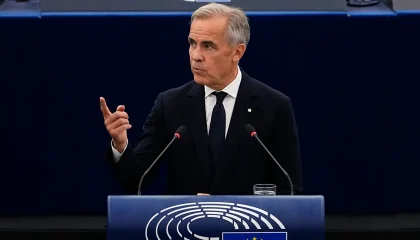
European Commission spokesperson Arianna Podesta responded to the American criticisms by emphasizing that dialogue between the two sides continued across both tariff and non-tariff matters. She described the ongoing exchanges as productive and constructive, though she made clear that certain fundamental principles remained non-negotiable.
“We have been very clear and consistent on the fact that neither our rules framework nor our regulatory autonomy are up for negotiation,” Podesta stated.
The Corporate Sustainability Due Diligence Directive mandates that major corporations identify and remedy negative human rights and environmental consequences stemming from their global supply chains. Meanwhile, the Corporate Sustainability Reporting Directive compels these same enterprises to disclose information regarding their climate footprint, greenhouse gas emissions, and strategies for reduction.
According to the American assessment, these directives create disproportionate challenges for US companies attempting to compete within the European marketplace. The document argued that the extensive due diligence requirements and cross-border applicability of the rules would undermine American competitiveness.
Carbon Border Tax Under Scrutiny
The diplomatic friction intensified following Puzder’s criticism of the EU’s carbon border adjustment mechanism, commonly known as CBAM. The ambassador characterized the mechanism as functionally equivalent to a tariff, regardless of how European officials framed it within their climate policy architecture.
The EU has already made concessions regarding both the CSDDD and CSRD legislation, responding to pressure from domestic and international business communities. Implementation timelines have been extended, and smaller enterprises have received exemptions from certain obligations. Nevertheless, American officials maintain that these adjustments fall short of addressing their core concerns.
Transshipment Concerns and AI Solutions
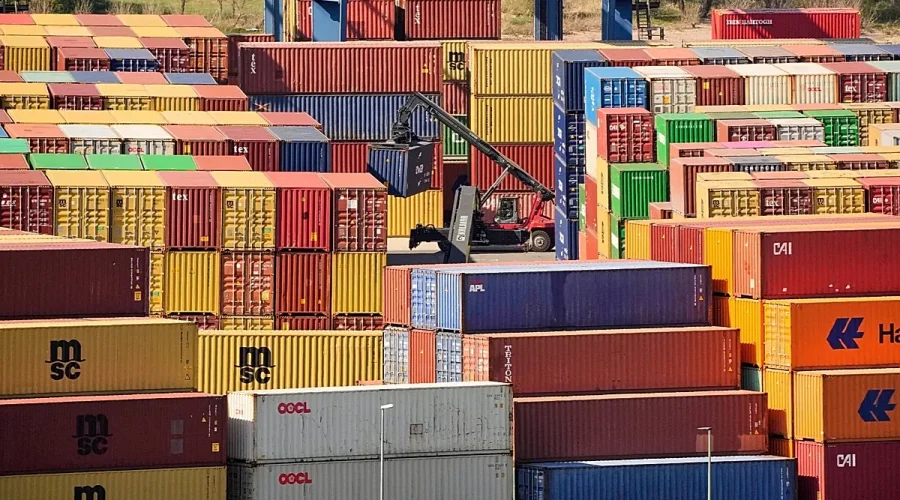
In a separate development, the European Union appeared among numerous trading partners identified in a White House assessment published on Thursday. The report highlighted potential vulnerabilities related to illegal transshipment practices originating from China, where merchandise is routed through intermediate nations to sidestep substantial import duties established during the Trump administration.
The comprehensive report also singled out Mexico, Canada, and Japan for similar concerns. It announced plans to deploy artificial intelligence technologies to enhance detection of fraudulent trade practices in coming years.
“The EU shares the US objective of tackling customs fraud,” the commission spokesperson explained when addressing these particular accusations.
Podesta noted that Brussels was actively engaging with American counterparts to evaluate how the report’s findings might affect European trade operations. She pointed out that the document itself acknowledged that the EU’s transshipment risk was “embedded within broad legitimate trade flows,” suggesting that the problem was not uniquely European but rather reflected broader patterns in global commerce.
Broader Implications for Transatlantic Relations
This latest round of tensions reflects deeper structural challenges in EU-US economic relations. The European Union has increasingly positioned itself as a regulatory superpower, establishing standards that often exceed American requirements. American businesses and policymakers have grown frustrated with what they perceive as discriminatory treatment of their commercial interests.
At the same time, the EU’s green transition agenda represents a fundamental shift in how economic activity is regulated. The carbon border mechanism, in particular, has sparked debate about whether it constitutes legitimate environmental policy or protectionist trade measures in disguise. As both sides navigate these competing priorities, the outcome will have significant implications for global trade patterns and the future of international economic governance.
The coming months will likely see continued negotiations as both Washington and Brussels attempt to find common ground while protecting their respective interests. Whether these efforts will yield meaningful progress or deepen existing divisions remains to be seen, but the stakes are high for businesses operating on both sides of the Atlantic and for the broader international trading system.
Related Reading
Frequently Asked Questions
What is EU pushes back as US revives?
EU pushes back as US revives is the main topic of this guide. The article explains the context, practical details, and next steps readers should understand.
Why does EU pushes back as US revives matter?
EU pushes back as US revives matters because readers are looking for a useful answer, not just a short summary. Good content should match search intent and help them decide what to do next.