Marine Visitors Multiply Along Spain’s Northern Coastline
Usagevpn.com – Beachgoers along Spain’s northern Atlantic coast are encountering an unusual increase in Portuguese man o’ war this season, prompting local authorities to implement precautionary measures. The coastal regions of Cantabria and the Basque Country have seen a notable surge in these venomous marine organisms, leading to temporary beach closures and swimming restrictions in several popular locations.
Officials recorded more than one hundred stings within a single day in some areas, though city council representatives in San Sebastián emphasized that the vast majority of cases involved minor injuries. The number of incidents remains relatively low when measured against the total number of visitors enjoying the summer beaches.
Understanding the Colonial Creature
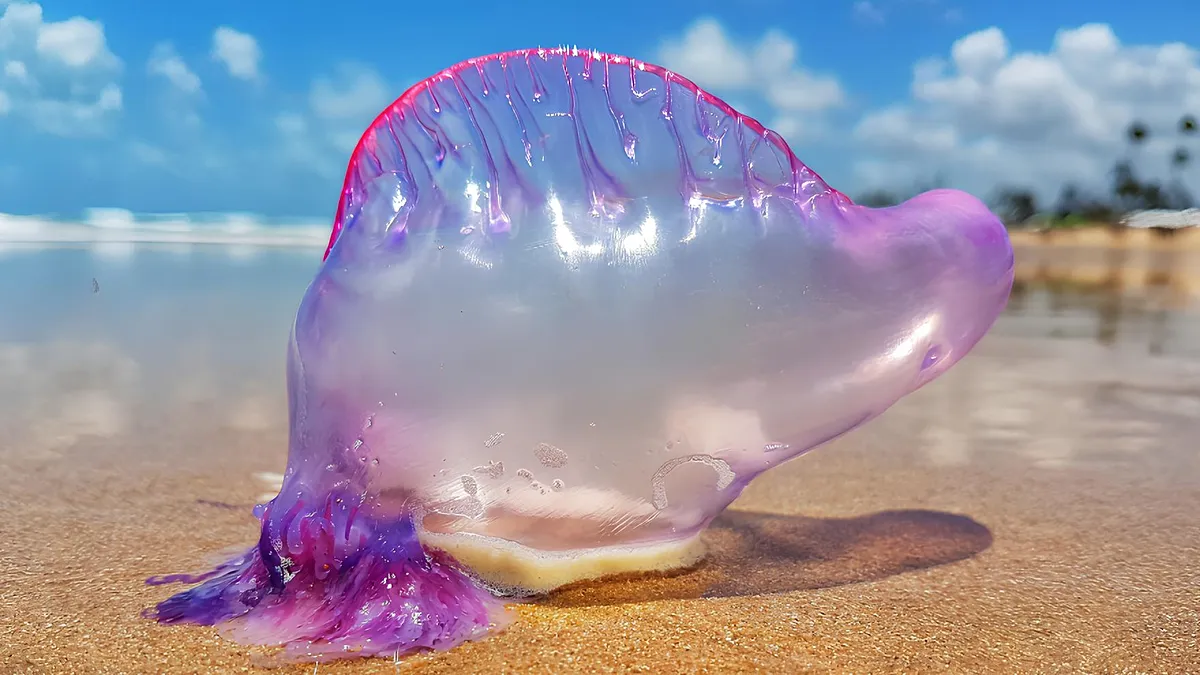
The Portuguese man o’ war, scientifically known as Physalia physalis, frequently confuses beach visitors who assume they are dealing with a typical jellyfish. This marine organism is actually a colonial entity composed of multiple specialized individuals working together as one functional unit. Each colony contains different types of polyps responsible for distinct functions, including feeding, reproduction, and defense.
The creature’s most distinctive feature is its network of long tentacles that can extend several meters beneath the water’s surface. These tentacles are equipped with microscopic stinging cells called nematocysts, which release venom when triggered by contact. The venom causes intense pain and, in certain cases, can produce more serious allergic reactions in sensitive individuals.
Why Northern Spain Is Seeing More Encounters
Climate patterns and ocean currents have shifted in recent years, creating conditions that favor the migration and proliferation of Portuguese man o’ war in waters that were previously less hospitable to them. Warmer sea temperatures and changing wind patterns have pushed these organisms further north along the Atlantic coast, making encounters increasingly common in regions like Cantabria and the Basque Country.
The organisms typically drift near the surface, carried by currents and wind, which makes them particularly visible to swimmers and surfers. Their translucent, balloon-like float can be difficult to spot from a distance, especially in bright sunlight or choppy water conditions.
What Authorities Recommend
The Basque Government’s Department of Health has issued clear guidance for anyone who encounters these marine visitors. Their recommendation emphasizes immediate action: leave the water promptly if you notice Portuguese man o’ war nearby, and seek assistance from lifeguards or medical professionals if symptoms become severe.
Officials advise avoiding any contact with the organisms, even when they appear dead or have washed up on the sand. The stinging cells remain active for some time after the animal dies, so caution is warranted regardless of the creature’s apparent condition.
Practical Steps for Beach Visitors
If you experience a sting, experts suggest several immediate responses. Rinsing the affected area with seawater rather than fresh water can help prevent additional venom release from the stinging cells. Avoid rubbing the area, as this may worsen the injury. Vinegar is sometimes recommended to neutralize the venom, though local medical advice should always be followed.
Most stings result in temporary discomfort, redness, and localized pain that subsides within hours or days. However, individuals with allergies or those experiencing breathing difficulties should seek medical attention without delay.
Tourism and Local Economy Considerations
The increased presence of Portuguese man o’ war has not significantly disrupted summer tourism, but local businesses and beach facilities have adapted their operations. Some beaches have installed warning signs and increased lifeguard patrols during peak hours. The temporary closures have been relatively brief, with most facilities reopening once conditions improve.
Local officials note that the situation is manageable and that public awareness campaigns have helped minimize panic. Many visitors appreciate the opportunity to observe these fascinating creatures up close, provided they maintain a safe distance.
Historical Context and Future Outlook
While Portuguese man o’ war have always been part of the Atlantic ecosystem, their increased visibility in northern Spain represents a broader pattern of marine species shifting their ranges. Scientists continue to monitor these movements, as they may indicate longer-term changes in ocean conditions driven by climate patterns.
For beachgoers planning visits to the region, the presence of these organisms is generally not a cause for alarm. Simple precautions—such as checking daily beach reports, staying alert while swimming, and knowing basic first aid—can ensure a safe and enjoyable experience along Spain’s beautiful northern coastline.
Related Reading
Frequently Asked Questions
What is Portuguese man o wars spread in Spain?
Portuguese man o wars spread in Spain is the main topic of this guide. The article explains the context, practical details, and next steps readers should understand.
Why does Portuguese man o wars spread in Spain matter?
Portuguese man o wars spread in Spain matters because readers are looking for a useful answer, not just a short summary. Good content should match search intent and help them decide what to do next.